
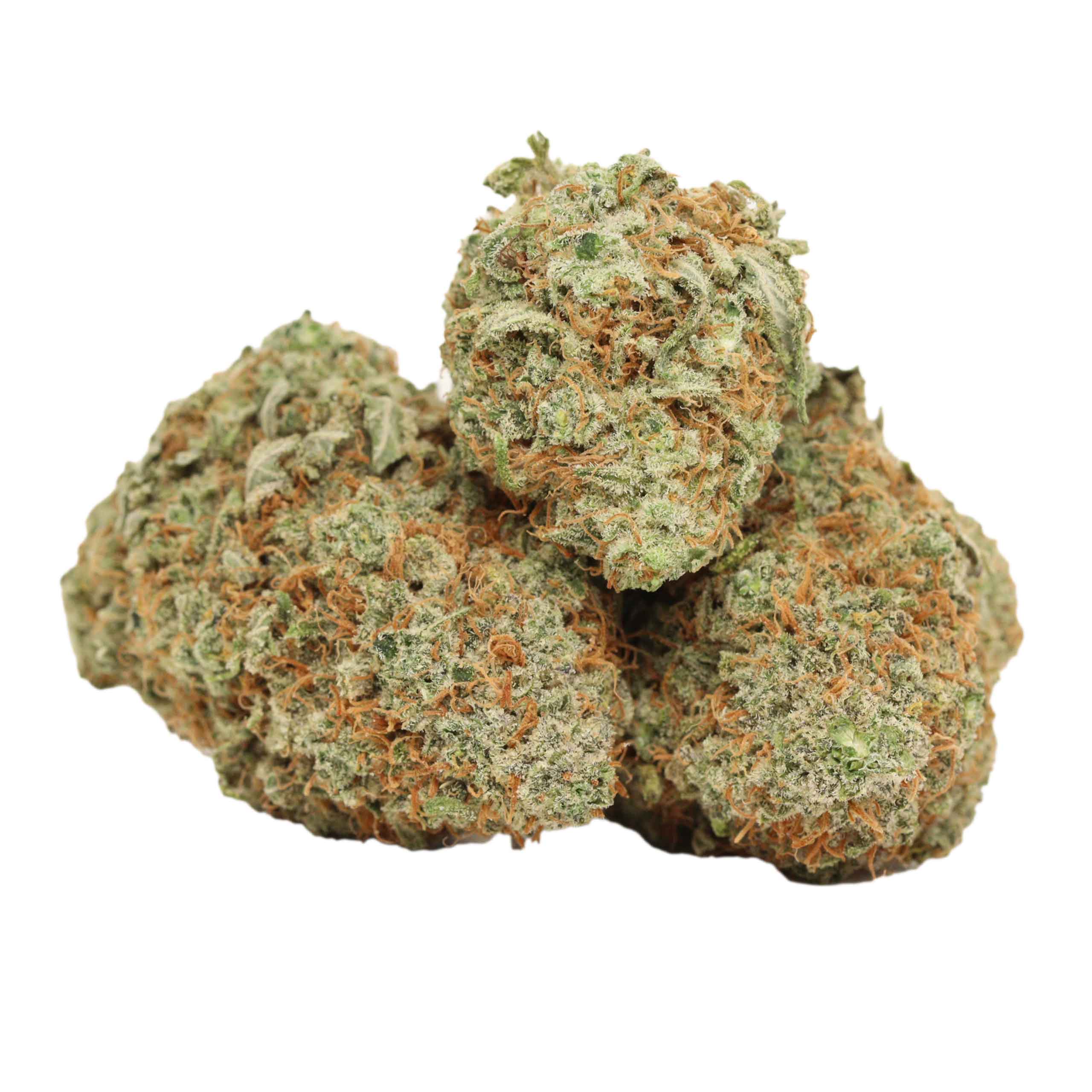

Casey Jones Strain: Genetics, Effects, THC & Why It Remains a Classic Cannabis Cultivar
The Casey Jones strain is a recognizable cannabis cultivar with an unusual name, complex genetic background and long-standing reputation among people interested in energetic hybrid varieties. Named after American railroad engineer and folk hero Casey Jones, the strain combines several well-known cannabis genetic lines into a cultivar commonly associated with uplifting and energetic consumer-reported effects.
Its history naturally puts Casey Jones into conversations about a top strain of weed, good strains, classic cannabis genetics and how one strain of pot can differ from another.
But popularity does not create an objective ranking.
There is no scientific system that identifies one universal “top strain of weed.” Cannabis quality depends on the particular plant, cannabinoid profile, terpene composition, cultivation, storage, laboratory results and individual preference.
This guide examines Casey Jones from that evidence-focused perspective, covering its genetics, THC, aroma, reported effects, potential adverse effects and current U.S. legal considerations.
Readers interested in additional strain terminology and U.S.-focused cannabis education can also explore weedshopusa.com as an educational reference.
What Is the Casey Jones Strain?
Casey Jones is generally described as a sativa-dominant hybrid cannabis strain.
Its genetic history is commonly associated with:
Trainwreck × Thai × East Coast Sour Diesel
More specifically, strain histories frequently describe Casey Jones as involving Trainwreck crossed with a Thai lineage, followed by East Coast Sour Diesel.
The cultivar is closely associated with breeder Head Seeds and breeder Grateful Head.
Casey Jones became recognizable partly because its genetics combine several famous cannabis families rather than relying on a simple two-parent cross.
That heritage helps explain why the strain remains interesting to cannabis enthusiasts even as hundreds of newer hybrids have entered the market.
Casey Jones at a Glance
| Characteristic | General Description |
|---|---|
| Name | Casey Jones |
| Common abbreviation | CJ |
| General type | Sativa-dominant hybrid |
| Genetic background | Trainwreck × Thai × East Coast Sour Diesel |
| Common reputation | Energetic and uplifting |
| Common flavors | Earthy, citrus, sweet |
| Other aroma notes | Diesel, floral, spice |
| THC | Varies by product/batch |
| CBD | Generally relatively low |
| Intoxicating | Yes |
| Best-strain status | Subjective |
| U.S. legality | Depends on jurisdiction |
Cannabis products carrying the Casey Jones name can vary chemically, so consumers should not assume that every example has identical THC or terpene concentrations.
Why Is It Called Casey Jones?
The strain takes its memorable name from John Luther “Casey” Jones, an American railroad engineer who became a folk hero after dying while attempting to prevent a train collision in 1900.
The railroad association also fits the strain’s Trainwreck ancestry particularly well.
Cannabis strain names frequently draw from:
- parent genetics
- flavors
- locations
- celebrities or historical figures
- pop culture
- physical appearance
- breeder creativity
The name itself has no pharmacological meaning.
A memorable cannabis name may help a cultivar become recognizable, but it does not determine potency or quality.
Casey Jones Genetics Explained
The genetic background is one of the most interesting parts of the strain.
Trainwreck
Trainwreck is a famous hybrid associated with Mexican, Thai and Afghani ancestry.
It has a longstanding reputation for energetic and cerebral consumer effects.
Thai Genetics
Thai cannabis genetics historically refer to landrace or landrace-derived plants originating in Thailand.
These varieties have played an important role in the development of numerous modern sativa-oriented hybrids.
East Coast Sour Diesel
East Coast Sour Diesel contributes genetics associated with the famous Sour Diesel family.
Diesel-oriented strains are widely recognized for sharp, fuel-like aromatic characteristics.
Combining these genetic families produced the distinctive Casey Jones cultivar.
Is Casey Jones a Sativa or Indica?
Casey Jones is generally described as sativa-dominant rather than a pure sativa.
That distinction matters.
Most modern cannabis cultivars are hybrids containing genetic contributions from multiple lineages.
Terms such as sativa and indica remain widely used in cannabis retail and consumer discussions, but they should not be interpreted as precise predictions of how a product will affect every individual.
Actual chemistry matters.
Two cannabis flowers categorized as sativa can contain very different:
- THC concentrations
- CBD concentrations
- minor cannabinoids
- terpene profiles
This is one reason laboratory information should accompany strain classifications.
Casey Jones Effects
Casey Jones has historically been associated with a stimulating rather than strongly sedating consumer reputation.
Commonly reported experiences include:
- energetic feelings
- uplifted mood
- euphoria
- creativity
- sociability
- mental stimulation
- happiness
- increased focus reported by some consumers
These descriptions are based largely on consumer experiences rather than controlled clinical research.
No cannabis strain guarantees a particular subjective effect.
Individual responses can depend on tolerance, THC exposure, genetics, medications, other substances and environment.
Does Casey Jones Make You Energetic?
Its reputation certainly leans in that direction.
Trainwreck, Thai and Sour Diesel-related genetics are all commonly associated within cannabis culture with stimulating characteristics.
However, saying that Casey Jones will provide energy would be too strong.
THC can affect individuals very differently.
One person may report feeling energetic and social, while another might experience:
- dizziness
- anxiety
- fatigue
- excessive intoxication
- difficulty concentrating
Consumer descriptions therefore represent patterns rather than promises.
What Does Casey Jones Taste Like?
Casey Jones is commonly associated with a complex combination of:
earthy, citrus, sweet and diesel-like characteristics.
Depending on the phenotype and producer, consumers may additionally identify:
- lemon
- floral notes
- spice
- wood
- fuel
- herbs
Its Sour Diesel ancestry likely contributes to its association with pungent fuel-like aromas, while other genetic lines contribute sweetness and citrus characteristics.
Cultivation and storage also affect aroma.
Casey Jones Terpenes
Cannabis aroma comes largely from compounds called terpenes.
Casey Jones samples are often associated with combinations involving terpenes such as:
- caryophyllene
- myrcene
- limonene
- pinene
Exact terpene concentrations can differ considerably between products.
Caryophyllene
Caryophyllene contributes spicy and pepper-like aromatic characteristics.
Myrcene
Myrcene is common in cannabis and contributes earthy and herbal aromas.
Limonene
Limonene produces citrus-associated aromatic characteristics.
Pinene
Pinene contributes pine-like aromas and occurs throughout the plant kingdom.
Terpene descriptions are useful for understanding aroma, but consumers should be cautious with websites assigning guaranteed medical outcomes to individual terpenes.
How Strong Is the Casey Jones Strain?
There is no universal THC percentage for Casey Jones.
Cannabinoid concentration can change according to:
- genetics
- phenotype
- cultivation conditions
- harvest timing
- processing
- curing
- storage
- laboratory methodology
Online strain databases sometimes display representative THC values, but those figures should not be applied automatically to every Casey Jones product.
The laboratory result attached to the actual batch is considerably more informative.
Is Higher THC Better?
Not necessarily.
People looking for a top strain of weed sometimes rank products according to THC alone.
That approach ignores most of what makes cannabis distinctive.
THC percentage does not directly measure:
- flavor
- aroma
- freshness
- cultivation quality
- terpene diversity
- personal enjoyment
- overall product quality
Higher THC exposure can also increase the likelihood of uncomfortable intoxication.
Therefore, the highest THC strain is not automatically the best strain.
Is Casey Jones a Top Strain of Weed?
Casey Jones can reasonably be described as a classic and respected cannabis cultivar, particularly among people interested in older sativa-dominant genetics.
Whether it deserves the title top strain of weed depends entirely on the criteria.
For genetic heritage, Casey Jones has an interesting argument because it brings together Trainwreck, Thai and East Coast Sour Diesel influences.
For consumers who prioritize energetic strain reputations, it may also be appealing.
Someone looking primarily for strongly relaxing cannabis may rank it much lower.
There is no contradiction here.
“Best” and “top” are preference-based terms.
What Makes Good Strains?
Rather than asking whether a cultivar has the most famous name, consumers researching good strains can evaluate several more useful characteristics.
Genetic Identity
Reliable information about parentage makes strain comparisons more meaningful.
Laboratory Testing
Testing can identify measured cannabinoid concentrations and, where provided, terpene composition.
Cultivation Quality
Excellent genetics can still produce poor cannabis when cultivation, harvesting or curing is inadequate.
Freshness
Cannabis aroma and quality can deteriorate with improper storage.
Product Safety
Regulated markets establish requirements concerning contaminants and product testing.
Personal Preference
The ideal aromatic and cannabinoid profile differs between individuals.
These criteria provide considerably more information than a simple ranking.
Casey Jones vs Other Famous Cannabis Strains
| Feature | Casey Jones | Trainwreck | Sour Diesel |
|---|---|---|---|
| General category | Sativa-dominant hybrid | Hybrid/sativa reputation | Sativa-dominant reputation |
| Genetic relationship | Contains Trainwreck + ECSD ancestry | Parent lineage | Parent lineage |
| Common reputation | Energetic/uplifting | Energetic/cerebral | Energetic/cerebral |
| Aroma | Citrus, earth, diesel | Pine, earth | Diesel, citrus |
| THC | Batch dependent | Batch dependent | Batch dependent |
| Effects guaranteed? | No | No | No |
This comparison helps explain why people who enjoy Trainwreck or Sour Diesel genetics may also become interested in Casey Jones.
Understanding a “Strain of Pot”
The supporting phrase strain of pot is essentially an informal way of referring to a cannabis cultivar.
However, cannabis naming is less standardized than many consumers assume.
Two producers can use the same strain name while producing plants with somewhat different chemistry.
A strain’s identity can involve:
- parent genetics
- phenotype
- cannabinoid composition
- terpene profile
- breeder history
For this reason, strain names are useful but imperfect.
Readers researching additional strain families can explore weedshopusa.com for broader educational information.
Casey Jones and Modern Cannabis Genetics
Casey Jones also illustrates how much cannabis breeding has changed.
Older cultivars were often developed using landrace or relatively established genetic families.
Modern breeding frequently involves multiple generations of hybrids derived from already complex hybrids.
That means today’s cannabis family trees can become extremely complicated.
Casey Jones occupies an interesting position because it combines recognizable legacy genetic families that predate many of today’s dessert-oriented cultivars.
Potential Casey Jones Side Effects
Because Casey Jones is THC-containing cannabis, adverse effects are possible.
Potential short-term effects of cannabis can include:
- dry mouth
- dry eyes
- dizziness
- anxiety
- paranoia
- increased heart rate
- impaired short-term memory
- altered perception
- impaired coordination
- reduced reaction time
High THC exposure can increase the likelihood or intensity of certain adverse reactions.
A scientific review indexed by PubMed notes that cannabis intoxication can affect cognition, psychomotor performance and perception.
This is particularly important when discussing stimulating strains because feeling energetic does not mean a person is unimpaired.
Cannabis and Driving
A consumer may subjectively feel alert after using a sativa-dominant strain such as Casey Jones.
That does not make driving safe.
THC can impair:
- attention
- reaction time
- coordination
- judgment
- perception
Driving while cannabis-impaired should be avoided.
Similarly, combining cannabis with alcohol can increase impairment.
Why Laboratory Testing Matters
Imagine two packages labeled Casey Jones.
One could contain substantially more THC than the other.
Their terpene profiles could also differ.
Laboratory information can help identify:
- total THC
- CBD
- minor cannabinoids where tested
- terpene composition where provided
- batch information
- required contaminant results
For consumers comparing good strains, these measurements provide more useful information than the strain name alone.
Is Casey Jones Legal in the United States?
A cannabis strain does not have its own unique legal status.
Instead, legality depends on the product and jurisdiction.
U.S. states have different rules concerning:
- medical cannabis
- nonmedical adult use
- possession limits
- cultivation
- licensed retailers
- delivery
- product testing
- public consumption
- impaired driving
Cannabis laws also continue to change.
Consumers should therefore check current state and local regulations rather than assuming that a product permitted in one state is legal everywhere.
Medical vs Recreational Cannabis
Casey Jones may appear in jurisdictions with medical cannabis programs, adult-use cannabis markets or both.
Those categories describe regulatory frameworks.
They do not establish that Casey Jones itself is a medicine.
Consumer reports about feeling energetic, happy or relaxed should not be transformed into claims that the strain treats depression, fatigue, anxiety or another medical condition.
Medical claims require substantially stronger evidence.
Responsible Cannabis Education
Responsible strain education involves more than discussing which cultivar might be a top strain of weed.
THC-containing cannabis can impair judgment and coordination.
Cannabis should be stored securely away from children and pets.
Adults should avoid driving or operating machinery while impaired.
Combining cannabis with alcohol or other intoxicating substances can increase risk.
People considering cannabis because of a medical problem should consult an appropriate healthcare professional rather than relying solely on strain reviews.
Educational Resources
For additional information about Casey Jones genetics, effects and consumer-reported characteristics, see Leafly’s Casey Jones strain guide.
For current U.S. state cannabis laws and regulatory developments, consult the National Conference of State Legislatures Cannabis Legislation Database.
For scientific background concerning cannabis intoxication and adverse effects, review the PubMed clinical toxicology overview of cannabis.
Readers researching additional cannabis genetics, strain terminology and popular U.S. cultivars can also explore weedshopusa.com.
Frequently Asked Questions
1. What is the Casey Jones strain?
Casey Jones is generally described as a sativa-dominant hybrid associated with Trainwreck, Thai and East Coast Sour Diesel genetics. It became particularly recognizable among enthusiasts of energetic, legacy-style cannabis hybrids.
2. Is Casey Jones a top strain of weed?
Casey Jones is a respected classic cultivar with notable genetic heritage, but there is no scientific ranking establishing it as the universal top strain of weed. Rankings depend heavily on flavor, effects, genetics, potency and individual preference.
3. Is Casey Jones indica or sativa?
Casey Jones is generally categorized as sativa-dominant. However, modern cannabis is highly hybridized, and the actual cannabinoid and terpene composition of a particular product provides more useful information than the broad sativa/indica label alone.
4. What does Casey Jones taste like?
Casey Jones is commonly associated with earthy, citrus, sweet and diesel-like characteristics. Individual phenotypes and batches can produce different aromatic profiles.
5. What makes Casey Jones one of the good strains to research?
Its combination of Trainwreck, Thai and East Coast Sour Diesel genetic influences gives Casey Jones an interesting place in cannabis breeding history. Its long-standing energetic reputation also differentiates it from many modern dessert-oriented hybrids.
Where to Explore Further
Readers comparing Casey Jones with other good strains, classic sativa-dominant cultivars or different cannabis genetic families can explore weedshopusa.com as an additional educational starting point.
For broader explanations of cannabis terminology and strain characteristics, use weedshopusa.com alongside current scientific and government sources.
Final Thoughts
The Casey Jones strain stands out because it combines recognizable Trainwreck, Thai and East Coast Sour Diesel genetic influences with a long-standing reputation for energetic and uplifting consumer experiences.
That heritage makes Casey Jones a meaningful cultivar when discussing classic good strains and historically important sativa-dominant hybrids.
However, calling Casey Jones the top strain of weed would still be subjective.
Cannabis quality cannot be determined from popularity or THC percentage alone.
Consumers researching any strain of pot should look beyond the name and consider cannabinoid testing, terpene composition, cultivation quality, freshness, personal THC tolerance and current local laws.
Casey Jones remains notable not because it can objectively defeat every other cannabis strain in a ranking, but because its distinctive genetic heritage has given it an enduring identity within modern cannabis culture.
Be the first to review “Casey Jones strain”
Related products
hybrid
hybrid
Sativa
Sativa
hybrid
Sativa
Sativa
Sativa
Reviews
There are no reviews yet.