
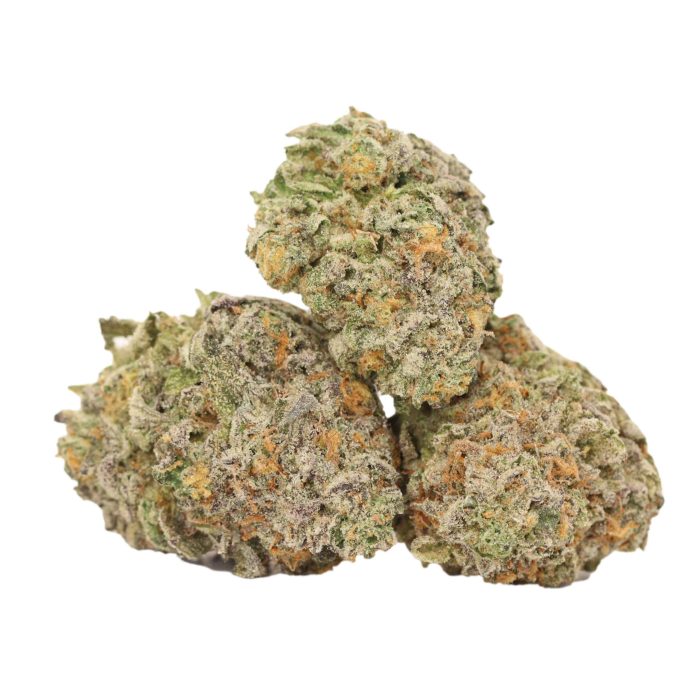
Animal Cookies AAAA+ Indica: Cannabis & Rescheduling Guide
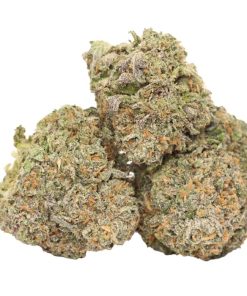
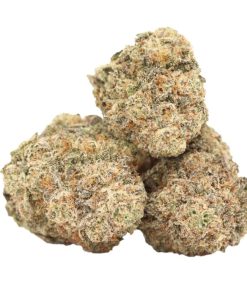
Animal Cookies AAAA+ Indica is a commercial designation associated with Animal Cookies, also called Animal Crackers, a well-known cannabis cultivar created from GSC × Fire OG genetics. Although some commercial products describe Animal Cookies as indica or indica-dominant, major cultivar databases classify it more broadly as a hybrid.
The cultivar provides a useful starting point for understanding the cannabis plant, weed plant, marijuana plant, cannabis products, marijuana products, marijuana Parkinson research, and the latest discussion surrounding rescheduling news, marijuana rescheduling, and cannabis rescheduling in the United States.
For additional U.S.-focused cannabis education, readers can explore WeedShopUSA cannabis education.
What Is Animal Cookies AAAA+ Indica?
The established Animal Cookies cultivar is also known as Animal Crackers.
Its commonly documented genetics are:
GSC × Fire OG
Animal Cookies is generally classified as a hybrid, although different phenotypes and commercial versions can lean toward the indica side.
Consumer reports commonly associate Animal Cookies with:
- relaxation
- tingling sensations
- sleepiness
Its aroma and flavor are often described as:
- nutty
- earthy
- sweet
These characteristics can vary between individual batches.
Animal Cookies AAAA+ Indica at a Glance
| Feature | Information |
|---|---|
| Established cultivar | Animal Cookies |
| Alternative name | Animal Crackers |
| Genetics | GSC × Fire OG |
| General classification | Hybrid; some versions indica-leaning |
| Representative THC | Around 19%; batches vary |
| Representative CBG | Around 1%; batches vary |
| Common terpenes | Caryophyllene, limonene, myrcene |
| Common flavors | Nutty, earthy, sweet |
| AAAA+ | Commercial terminology |
| Official federal AAAA+ grade | No |
| Parkinson’s treatment | Not established |
Animal Cookies AAAA+ Indica Genetics
Animal Cookies combines two influential cannabis lines.
GSC contributes genetics associated with OG Kush and Durban-related ancestry.
Fire OG is itself associated with OG Kush and SFV OG Kush.
This produces a cultivar with substantial Kush-family influence.
However, genetics should not be used to predict an individual’s medical response.
Is Animal Cookies AAAA+ Indica Really an Indica?
This requires some clarification.
Animal Cookies is commonly described as a hybrid.
Some producers and consumers describe particular versions as indica-dominant because of their relaxing characteristics and genetic expression.
Therefore, Animal Cookies AAAA+ Indica can function as a commercial product description, but it should not be interpreted as a universal scientific classification for every Animal Cookies plant.
What Does AAAA+ Mean?
The AAAA+ portion of Animal Cookies AAAA+ Indica is commercial terminology.
Cannabis markets sometimes use informal grades such as:
AA
AAA
AAA+
AAAA
AAAA+
These categories are not standardized federal cannabis quality grades.
AAAA+ alone does not establish:
- THC concentration
- contaminant safety
- genetic authenticity
- terpene concentration
- medical effectiveness
- laboratory quality
Batch-specific testing provides more objective information.
Animal Cookies AAAA+ Indica THC
Current cultivar data provides a representative THC level around 19%, but that number should not be assigned automatically to every Animal Cookies product.
THC can vary according to:
- phenotype
- cultivation
- harvest
- processing
- curing
- storage
- laboratory methodology
The actual product’s laboratory results provide better information.
Understanding the Cannabis Plant
The cannabis plant belongs to the genus Cannabis.
Cannabis plants contain numerous naturally occurring chemical compounds, including:
- cannabinoids
- terpenes
- flavonoids
The best-known cannabinoid is delta-9-tetrahydrocannabinol, or THC.
Another widely discussed cannabinoid is cannabidiol, or CBD.
Researchers have also identified many minor cannabinoids.
Cannabis Plant Anatomy
A cannabis plant contains several recognizable structures.
These include:
Roots – anchor the plant and absorb water and nutrients.
Stem – provides structural support.
Branches – support leaves and flowers.
Leaves – perform photosynthesis.
Flowers – female cannabis flowers contain large concentrations of glandular trichomes.
Trichomes – microscopic structures associated with cannabinoid and terpene production.
Understanding these structures is useful when discussing how cannabis products originate.
Weed Plant vs Cannabis Plant
The phrase weed plant is informal.
Scientifically and legally, “cannabis plant” is generally the more precise terminology.
Depending on context, people may use:
- cannabis
- marijuana
- weed
- pot
to refer to overlapping concepts.
However, the legal meaning can differ.
Under U.S. federal law, hemp and marijuana are distinguished primarily through statutory definitions involving delta-9 THC concentration.
Marijuana Plant
A marijuana plant generally refers to a cannabis plant that falls within the legal definition of marijuana rather than hemp.
This distinction matters because marijuana remains subject to federal controlled-substance law even when state laws permit certain medical or adult-use activities.
State legalization does not automatically change federal law.
Cannabis Plant vs Marijuana Plant
| Term | General Meaning |
|---|---|
| Cannabis plant | Botanical/general term |
| Weed plant | Informal term |
| Marijuana plant | Cannabis falling under applicable marijuana definitions |
| Hemp | Cannabis meeting the applicable legal THC definition |
| Cannabis flower | Harvested flowering material |
| Cannabis product | Product derived from or containing cannabis |
Terminology can change depending on scientific, regulatory and consumer context.
Cannabis Products
Cannabis products can take many forms.
Depending on the jurisdiction, regulated markets may include products such as:
- dried flower
- pre-rolls
- concentrates
- vaporizer products
- tinctures
- capsules
- edibles
- topical products
These products are not pharmacologically identical.
Route of administration can substantially affect onset, duration and intensity.
Marijuana Products
Marijuana products is another broad term covering products containing marijuana or marijuana-derived cannabinoids.
Examples can include flower and processed products.
A major mistake is assuming all marijuana products are interchangeable.
A cannabis edible is different from:
- dried flower
- concentrate
- tincture
- topical
- vaporized product
Each can have different cannabinoid concentrations and pharmacokinetic characteristics.
Cannabis Products and THC
THC concentrations can differ dramatically among product categories.
Flower may contain one concentration while concentrates can contain much higher cannabinoid percentages.
Edibles are typically labeled by THC quantity rather than flower-style potency percentages.
Higher THC does not automatically mean a better product.
Greater exposure can also increase unwanted effects.
Animal Cookies AAAA+ Indica Is Not a Standardized Medicine
This distinction becomes particularly important when discussing health conditions.
Animal Cookies AAAA+ Indica is a cannabis cultivar/product designation.
It is not a standardized pharmaceutical formulation.
Different Animal Cookies batches can vary in:
- THC
- CBD
- minor cannabinoids
- terpenes
- cultivation
- processing
Clinical evidence involving a standardized cannabinoid should therefore not automatically be applied to Animal Cookies flower.
For additional cannabis terminology and product education, readers can explore WeedShopUSA.
Marijuana Parkinson Research
The phrase marijuana Parkinson usually refers to questions about whether marijuana or cannabinoids can improve Parkinson’s disease symptoms.
Parkinson’s disease is a progressive neurological disorder.
Common motor symptoms include:
- tremor
- rigidity
- slowed movement
- balance difficulties
People can also experience non-motor symptoms involving sleep, mood, cognition, pain and autonomic function.
Cannabinoids have been investigated for some of these symptoms.
Does Marijuana Help Parkinson’s Disease?
Current evidence does not establish marijuana as an effective treatment for the core symptoms of Parkinson’s disease.
A 2026 systematic review and meta-analysis evaluated randomized controlled trials involving cannabinoids and Parkinson’s disease.
Researchers identified 11 randomized controlled trials, with six providing outcomes suitable for meta-analysis.
Cannabinoids did not significantly improve overall Parkinson’s disease severity.
They also did not significantly improve pooled measures of:
- motor examination
- motor experiences of daily living
- overall non-motor symptoms
The authors noted a possible compound-specific signal involving nabilone and non-motor symptoms, but concluded that this question requires dedicated trials.
Marijuana Parkinson Claims Need Caution
Older studies and consumer reports have sometimes suggested benefits involving symptoms such as:
- pain
- sleep
- anxiety
- tremor
But these reports do not establish that marijuana treats Parkinson’s disease itself.
Randomized controlled evidence provides a stronger test of treatment effectiveness than anecdotal reports.
Current evidence therefore does not justify presenting Animal Cookies AAAA+ Indica as a Parkinson’s treatment.
Animal Cookies AAAA+ Indica and Parkinson’s
There are no clinical trials establishing Animal Cookies AAAA+ Indica specifically as an effective Parkinson’s therapy.
Research involving:
- CBD
- THC
- nabilone
- standardized cannabinoid preparations
cannot automatically be transferred to Animal Cookies flower.
A named cannabis strain and a standardized experimental medicine are not equivalent.
Cannabis Does Not Cure Parkinson’s Disease
There is currently no established evidence showing that cannabis:
- cures Parkinson’s disease,
- reverses Parkinson’s disease,
- stops neurodegeneration,
- replaces established Parkinson’s medication.
People with Parkinson’s disease should discuss cannabinoid use with their healthcare professionals because dizziness, sedation, cognition and balance can already be important concerns in this population.
What Is Marijuana Rescheduling?
Marijuana rescheduling refers to changing marijuana’s placement under the federal Controlled Substances Act.
The Controlled Substances Act uses five schedules.
Scheduling considers factors including accepted medical use, abuse potential and dependence.
Changing a drug’s schedule can have significant regulatory consequences.
However, rescheduling and legalization are not the same thing.
Marijuana Rescheduling vs Legalization
This distinction is essential.
Rescheduling changes a substance’s classification under the Controlled Substances Act.
Descheduling would remove it from CSA scheduling entirely.
Legalization can involve changing laws governing possession, production, distribution and other activities.
Therefore, moving marijuana from Schedule I to Schedule III would not by itself create nationwide recreational marijuana legalization.
Cannabis Rescheduling Timeline
The modern federal cannabis rescheduling process has developed over several years.
In May 2024, the U.S. Department of Justice published a proposed rule to move marijuana from Schedule I to Schedule III under the Controlled Substances Act.
The proposal initiated formal federal rulemaking rather than immediately changing marijuana’s legal status.
DEA subsequently scheduled formal hearing proceedings.
In June 2026, DEA announced that the formal hearing on the proposed move from Schedule I to Schedule III would begin on June 29, 2026.
This makes it important to distinguish a proposal and administrative proceeding from a final nationwide legalization law.
Rescheduling News in 2026
For readers following rescheduling news, 2026 has been an important year in the federal administrative process.
DEA’s June 25, 2026 announcement confirmed formal hearing proceedings concerning the proposed Schedule I-to-Schedule III move.
The hearing process allows evidence, testimony and arguments relevant to the proposed rule to become part of the administrative record.
Anyone following this issue should use current DEA and federal government sources because the legal status can change as rulemaking progresses.
Why Marijuana Rescheduling Matters
Marijuana rescheduling could have implications across several areas of federal policy.
Potential areas affected can include:
- research
- regulation
- taxation
- pharmaceutical development
- controlled-substance compliance
The exact effects depend on the final federal action and accompanying rules.
It is therefore inaccurate to assume that every consequence occurs merely because a proposal has been announced.
Cannabis Rescheduling and Research
Research is one reason cannabis rescheduling attracts significant scientific interest.
Schedule I status has historically created additional regulatory requirements for marijuana research.
A different federal schedule could alter some aspects of research regulation.
However, researchers would still operate under applicable federal requirements.
Rescheduling does not mean cannabis research becomes completely unregulated.
Cannabis Rescheduling and State Laws
Federal rescheduling would not automatically replace state cannabis laws.
States have developed very different frameworks involving:
- medical cannabis
- adult-use cannabis
- possession
- cultivation
- retail sales
- licensing
Federal and state cannabis law therefore need to be considered separately.
Marijuana Rescheduling and Cannabis Products
Consumers should also avoid assuming that rescheduling would automatically transform ordinary cannabis products into FDA-approved medicines.
FDA approval involves separate standards concerning:
- safety
- effectiveness
- manufacturing
- labeling
- clinical evidence
A commercial Animal Cookies product does not become an FDA-approved Parkinson’s treatment simply because federal scheduling changes.
Marijuana Rescheduling and Animal Cookies AAAA+ Indica
A federal scheduling change would not establish medical efficacy for Animal Cookies AAAA+ Indica.
Scheduling and clinical effectiveness are different questions.
Likewise, a commercial AAAA+ designation does not demonstrate:
- FDA approval
- medical effectiveness
- standardized potency
- pharmaceutical quality
Consumers should keep these concepts separate.
Cannabis Rescheduling: Schedule I vs Schedule III
| Issue | Schedule I | Proposed Schedule III |
|---|---|---|
| CSA controlled substance | Yes | Yes |
| Federally scheduled | Yes | Yes |
| Nationwide recreational legalization | No | No |
| Same regulatory controls | No | No |
| Equivalent to descheduling | No | No |
| Automatically makes dispensary products FDA-approved | No | No |
This comparison shows why the word “rescheduling” should not be interpreted as “legalization.”
Rescheduling News and Misinformation
Fast-moving cannabis policy frequently produces misleading headlines.
When reading rescheduling news, ask:
Was a proposal announced?
Was a hearing scheduled?
Was a final rule issued?
Did the rule take effect?
Does the announcement concern federal or state law?
These questions can prevent readers from mistaking an intermediate administrative step for a completed legal change.
Cannabis Products After Rescheduling
Even if federal scheduling changes, different categories of cannabis products may remain subject to different regulatory frameworks.
Issues can involve:
- FDA law
- DEA requirements
- state cannabis laws
- product manufacturing
- interstate commerce
- taxation
- labeling
This is another reason rescheduling should not be described as simple nationwide legalization.
Responsible Cannabis Education
Animal Cookies demonstrates how several cannabis topics can overlap without being equivalent.
Cultivar information explains genetics and characteristics.
Plant science explains the cannabis plant itself.
Product education explains the differences among cannabis products.
Medical research examines specific health outcomes.
Federal policy determines controlled-substance scheduling.
Keeping these categories separate makes cannabis education more accurate.
Educational Resources
For the latest official federal information on the rulemaking process, review the DEA Marijuana Rescheduling Information.
For the federal notice concerning the proposed Schedule III rule and 2026 hearing process, review the U.S. Department of Justice marijuana rescheduling notice.
For current peer-reviewed evidence concerning cannabinoids and Parkinson’s disease, review the 2026 systematic review and meta-analysis on PubMed.
For additional U.S. cannabis education, readers can explore WeedShopUSA.
Frequently Asked Questions
1. What is Animal Cookies AAAA+ Indica?
Animal Cookies AAAA+ Indica is a commercial designation associated with Animal Cookies, a GSC × Fire OG hybrid. Some versions lean toward indica characteristics, while major cultivar databases classify Animal Cookies broadly as a hybrid.
2. Is a cannabis plant the same as a marijuana plant?
Cannabis is the broader botanical term. “Marijuana” is also used as a legal term for cannabis falling within applicable marijuana definitions, while legally defined hemp is treated separately under federal law.
3. Does marijuana help Parkinson’s disease?
Current randomized evidence does not show significant overall improvement in Parkinson’s severity or major motor outcomes from cannabinoids. Research continues, but marijuana is not established as a treatment that stops or reverses Parkinson’s disease.
4. What is marijuana rescheduling?
Marijuana rescheduling means changing marijuana’s classification under the federal Controlled Substances Act. The federal proposal has focused on moving marijuana from Schedule I to Schedule III.
5. Does cannabis rescheduling mean marijuana becomes federally legal?
No. Cannabis rescheduling and nationwide legalization are different legal concepts. Schedule III is still a controlled-substance category, and rescheduling would not automatically make ordinary state-market cannabis products federally approved medicines.
Where to Explore Further
Readers researching Animal Cookies AAAA+ Indica, the cannabis plant, marijuana products, Parkinson’s research or federal cannabis policy can continue exploring weedshopusa.com alongside DEA, DOJ and peer-reviewed medical sources.
Remember:
Animal Cookies is generally documented as GSC × Fire OG.
Animal Cookies is broadly a hybrid, although some commercial versions are described as indica-leaning.
AAAA+ is commercial terminology rather than an official federal cannabis grade.
Cannabis plants contain cannabinoids, terpenes and many other compounds.
Cannabis products can differ substantially in formulation and effects.
Current randomized evidence does not establish marijuana as an effective treatment for core Parkinson’s outcomes.
Marijuana rescheduling and marijuana legalization are not the same thing.
A proposed Schedule III move should not be confused with descheduling.
Final Thoughts
Animal Cookies AAAA+ Indica is connected with Animal Cookies, the well-known GSC × Fire OG cultivar associated with sweet, earthy and nutty characteristics.
Understanding the cannabis plant, weed plant, and marijuana plant also helps readers distinguish botanical terminology from legal terminology.
Likewise, cannabis products and marijuana products should not be treated as one standardized category. Flower, edibles, concentrates and other formulations can differ substantially.
For marijuana Parkinson questions, current evidence deserves caution. A 2026 meta-analysis of randomized controlled trials found no significant overall benefit for Parkinson’s severity or major motor outcomes, and there is no strain-specific evidence establishing Animal Cookies as a Parkinson’s treatment.
Finally, readers following rescheduling news, marijuana rescheduling, and cannabis rescheduling should distinguish each step of federal rulemaking from a final change in law.
The federal process has focused on the proposed move from Schedule I to Schedule III. That is fundamentally different from removing marijuana from the Controlled Substances Act or establishing nationwide recreational legalization.
Be the first to review “Animal Cookies AAAA+ Indica”
Related products
Indica
Indica
Indica
hybrid
Indica
Indica
Reviews
There are no reviews yet.