
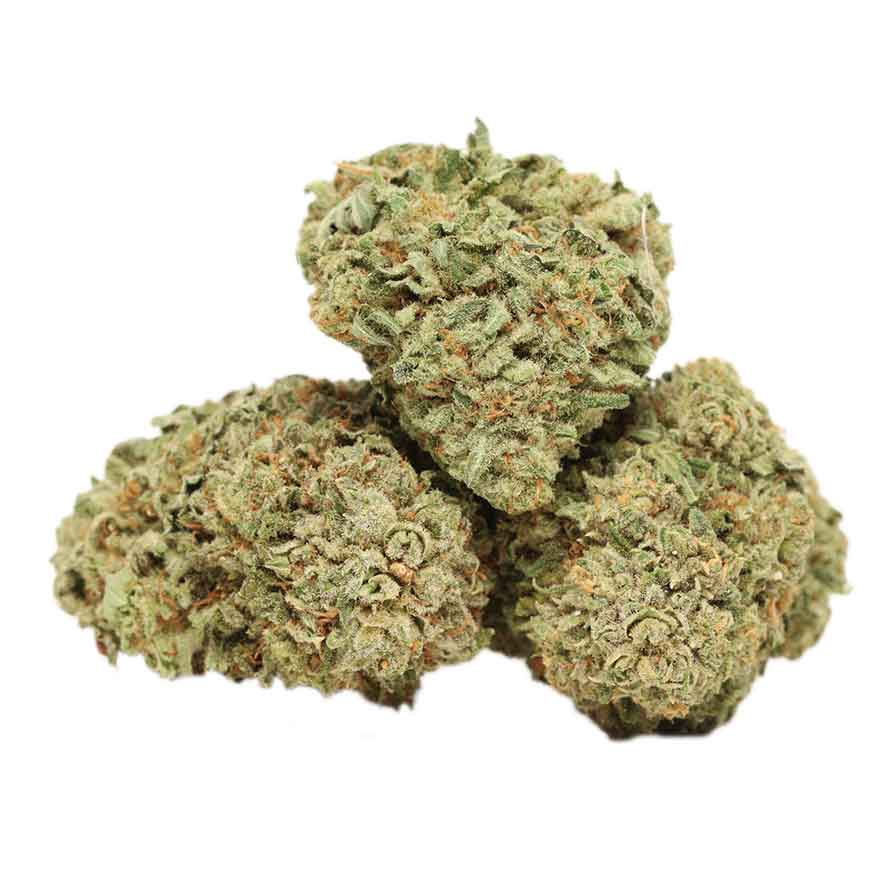
Bubba Kush AAAA+ Indica: Fibromyalgia & Nerve Pain
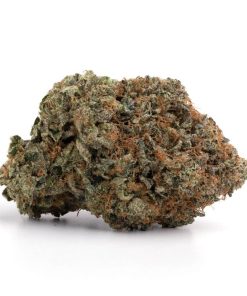
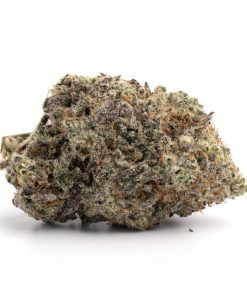
Bubba Kush AAAA+ Indica is a commercial designation connected with Bubba Kush, one of the better-known indica cultivars in the United States. Bubba Kush is associated with a deeply relaxing consumer profile and distinctive coffee, earthy and pungent aromas, although its complete genetic history remains somewhat uncertain.
Questions about does weed help fibromyalgia, weed and fibromyalgia, cannabis for neuropathy, THC for nerve pain, weed neuropathy, does weed help nerve pain, THC cream for neuropathy, and can cannabis help nerve pain require considerably more care than ordinary strain descriptions.
Cannabinoids have been investigated for chronic and neuropathic pain, but that research does not establish Bubba Kush as a treatment for fibromyalgia or neuropathy.
For additional evidence-based cannabis education, readers can explore WeedShopUSA cannabis education.
What Is Bubba Kush AAAA+ Indica?
Bubba Kush AAAA+ Indica is based on the classic Bubba Kush cultivar, also known as BK, Bubba or Bubba OG Kush.
Bubba Kush is generally classified as an indica.
Its precise origins remain disputed. A commonly documented account says Bubba Kush emerged after OG Kush pollinated an unidentified indica known as “Bubba.” Northern Lights has also been associated with the story of that unidentified indica.
For this reason, overly precise genetic claims should be treated cautiously.
Bubba Kush AAAA+ Indica at a Glance
| Feature | Information |
|---|---|
| Established name | Bubba Kush |
| Other names | BK, Bubba, Bubba OG Kush |
| Category | Indica |
| Genetic history | OG Kush × uncertain indica lineage |
| Representative THC | About 17% in current cultivar data; batches vary |
| Common aromas | Coffee, earthy, pungent |
| Commonly reported effects | Sleepy, relaxed, hungry |
| AAAA+ | Commercial terminology |
| Proven fibromyalgia treatment | No |
| Proven neuropathy treatment | No |
Bubba Kush AAAA+ Indica Effects
Consumer reports commonly associate Bubba Kush with:
- relaxation
- sleepiness
- increased appetite
- heavy body sensations
These are consumer-reported effects rather than guaranteed medical outcomes.
Potential unwanted effects can include:
- dizziness
- dry mouth
- dry eyes
- impaired coordination
- altered judgment
- anxiety in some users
Cannabis can also impair driving and other safety-sensitive activities.
Bubba Kush AAAA+ Indica THC
A representative Bubba Kush profile may contain THC in the upper-teen range, but there is no universal THC percentage for every batch.
Potency varies according to:
- phenotype
- cultivation
- harvest
- curing
- storage
- laboratory methodology
The actual product label and batch-specific laboratory information are more useful than a generic strain percentage.
The AAAA+ designation is also commercial terminology rather than an official federal cannabis quality grade.
Does Weed Help Fibromyalgia?
The question does weed help fibromyalgia does not have a simple yes-or-no answer.
Fibromyalgia can involve:
- widespread chronic pain
- fatigue
- sleep problems
- cognitive symptoms
- increased pain sensitivity
Researchers have investigated cannabinoids for fibromyalgia symptom management.
Some studies report improvements in pain, sleep or quality-of-life measures, but evidence quality remains limited and studies differ substantially in the cannabinoid products, doses and methods they use.
Cannabis should therefore not be presented as a cure for fibromyalgia.
Weed and Fibromyalgia
Research into weed and fibromyalgia needs an important distinction.
Clinical studies may investigate:
- standardized THC
- standardized CBD
- THC/CBD combinations
- pharmaceutical cannabinoids
- specific cannabis preparations
Those products are not necessarily equivalent to dispensary flower.
Research involving a standardized cannabinoid preparation therefore does not prove that Bubba Kush AAAA+ Indica will produce the same clinical outcome.
Bubba Kush AAAA+ Indica and Fibromyalgia
There is no clinical evidence demonstrating that Bubba Kush AAAA+ Indica specifically treats fibromyalgia.
Consumer reports about relaxation or pain should not be confused with controlled clinical evidence.
A more accurate conclusion is:
Cannabinoids have been investigated for fibromyalgia symptoms, but Bubba Kush itself has not been established as a fibromyalgia treatment.
Symptom relief is also different from curing the underlying condition.
Cannabis for Neuropathy
Cannabis for neuropathy is another area where clinical research exists.
Neuropathic pain results from damage or dysfunction affecting the nervous system.
People can describe neuropathic pain as:
- burning
- tingling
- electric-shock sensations
- shooting pain
- stabbing pain
- painful sensitivity to touch
Causes vary widely and can include diabetes, nerve injury and certain medical treatments.
The cause matters because nerve pain is not a single disease.
Can Cannabis Help Nerve Pain?
So, can cannabis help nerve pain?
Evidence reviews suggest that some cannabinoid products can provide small short-term reductions in chronic pain, with much of the available evidence involving neuropathic pain.
That does not mean everyone benefits.
It also does not establish ordinary cannabis flower as equivalent to the standardized products used in clinical trials.
The magnitude of benefit observed in research is generally modest rather than dramatic.
THC for Nerve Pain
THC for nerve pain has been examined both alone and in combination with CBD.
A major U.S. evidence review found that comparable THC-to-CBD products were associated with a small reduction in pain severity compared with placebo.
High-THC products also showed some evidence of small pain improvements.
However, cannabinoid treatment was associated with increased adverse effects such as:
- dizziness
- sedation
- nausea
This creates an important tradeoff between possible symptom improvement and unwanted effects.
Higher THC Does Not Mean Better Pain Relief
A common misconception is that the strongest THC product must provide the best pain relief.
Clinical evidence does not support such a simple rule.
Increasing THC exposure can also increase:
- impairment
- dizziness
- sedation
- anxiety
- cognitive effects
Therefore, the AAAA+ label or a high THC percentage does not establish that Bubba Kush AAAA+ Indica is superior for neuropathic pain.
Weed Neuropathy
People searching weed neuropathy are often looking for experiences involving cannabis and nerve pain.
Anecdotal experiences can be useful for understanding what consumers report, but they cannot determine clinical effectiveness.
Neuropathy can also have causes that require medical evaluation.
For example, nerve symptoms may relate to:
- diabetes
- vitamin deficiencies
- medication effects
- nerve compression
- autoimmune disease
- chemotherapy
- infection
- neurological disorders
Masking pain without identifying its cause can delay appropriate treatment.
Does Weed Help Nerve Pain?
When asking does weed help nerve pain, the most evidence-based answer is:
Certain cannabinoid formulations may provide small short-term pain reductions for some adults with chronic pain, particularly neuropathic pain, but benefits are inconsistent and side effects are more common.
Evidence for whole-plant cannabis remains less certain.
That distinction matters because smoking Bubba Kush is not equivalent to using a standardized cannabinoid medicine studied in a randomized trial.
Cannabis Products and Neuropathic Pain
| Product Type | Current Evidence |
|---|---|
| Balanced THC/CBD products | Small pain improvement in some trials |
| Higher-THC cannabinoid products | Possible small benefit, more adverse effects |
| CBD alone | Has not consistently reduced chronic pain |
| Whole-plant cannabis flower | Evidence remains insufficient |
| Topical cannabinoids | Evidence remains limited/insufficient |
| Bubba Kush specifically | No strain-specific clinical evidence |
The evidence should therefore be interpreted by product formulation, not merely strain name.
THC Cream for Neuropathy
THC cream for neuropathy is increasingly discussed online, but topical cannabinoids require separate consideration.
A topical cream is not pharmacologically identical to:
- smoked cannabis
- vaporized cannabis
- oral THC
- oral CBD
- sublingual THC/CBD products
Absorption can differ considerably.
Current evidence reviews have found insufficient evidence to draw strong conclusions about topical cannabinoid products for chronic pain.
Does THC Cream Treat Neuropathy?
There is not enough high-quality evidence to say that ordinary THC cream for neuropathy is a proven treatment.
Consumers should also distinguish among:
- THC creams
- CBD creams
- transdermal products
- topical balms
- pharmaceutical cannabinoid preparations
These terms are sometimes used interchangeably in marketing even though their formulations and absorption characteristics can differ.
CBD vs THC for Nerve Pain
CBD and THC should not be treated as interchangeable.
THC produces intoxicating effects and can cause impairment.
CBD is generally non-intoxicating, but evidence does not show that CBD alone reliably relieves chronic neuropathic pain.
A U.S. systematic review found purified or synthetic oral CBD alone was not associated with meaningful reductions in pain intensity compared with placebo in the evaluated trials.
This is another reason broad claims such as “CBD always works for nerve pain” should be avoided.
Cannabis for Neuropathy vs Conventional Treatment
Cannabis is not the only approach clinicians may consider for neuropathic pain.
Treatment depends on the underlying condition.
Options can include certain:
- antidepressants
- anticonvulsant medications
- topical medicines
- physical therapy approaches
- treatment of the underlying disease
A healthcare professional can help determine why neuropathy is occurring before selecting treatment.
Fibromyalgia vs Neuropathic Pain
Fibromyalgia and neuropathy can both involve chronic pain, but they are not identical.
| Feature | Fibromyalgia | Neuropathic Pain |
|---|---|---|
| Main issue | Widespread pain processing disorder | Nerve damage/dysfunction |
| Burning/tingling | Can occur | Common |
| Fatigue | Common | Depends on cause |
| Sleep problems | Common | Can occur |
| Cannabis research | Limited/emerging | More RCT evidence available |
| Named strain proven effective | No | No |
This distinction matters when interpreting cannabis research.
Why Strain Names Are Poor Medical Evidence
Names such as Bubba Kush can help consumers distinguish products, but strain names are not standardized medicines.
Two Bubba Kush products can differ in:
- THC
- CBD
- minor cannabinoids
- terpenes
- cultivation
- processing
- storage
Clinical research requires more precise information than a strain name alone provides.
For more educational information about cannabis terminology and evidence, readers can explore WeedShopUSA.
Potential Cannabis Side Effects
Cannabis products containing THC can cause:
- dizziness
- sleepiness
- dry mouth
- altered perception
- impaired reaction time
- memory impairment
- anxiety
- increased heart rate
Higher exposure can increase some risks.
People should not drive or operate dangerous equipment while impaired.
Cannabis and Other Medications
People considering cannabis for chronic pain should discuss possible interactions with a healthcare professional, particularly if they use medicines that cause sedation.
This can be especially important with:
- opioids
- benzodiazepines
- sleep medicines
- certain antidepressants
- anticonvulsants
- other sedating medications
Individual circumstances differ.
When Nerve Pain Needs Medical Evaluation
Persistent nerve symptoms should not automatically be self-treated as ordinary pain.
Medical assessment becomes particularly important with symptoms such as:
- new weakness
- rapidly worsening numbness
- loss of bladder or bowel control
- difficulty walking
- severe unexplained pain
- numbness after significant injury
These symptoms can indicate conditions requiring prompt evaluation.
Educational Resources
For a detailed U.S. evidence assessment of cannabis for neuropathy and other chronic pain conditions, review the AHRQ Living Systematic Review on Cannabis and Other Plant-Based Treatments for Chronic Pain.
For peer-reviewed research on cannabinoids and fibromyalgia, explore PubMed’s fibromyalgia and cannabinoid research.
For general information about chronic pain, including pain caused by nerve damage, review the AHRQ Chronic Pain resource.
For additional U.S. cannabis education, readers can explore WeedShopUSA.
Frequently Asked Questions
1. Does weed help fibromyalgia?
Research suggests cannabinoids may help certain fibromyalgia symptoms for some patients, but evidence remains limited and inconsistent. Cannabis has not been established as a cure for fibromyalgia.
2. Can cannabis help nerve pain?
Some standardized cannabinoid products have produced small short-term reductions in chronic pain, particularly neuropathic pain. Benefits are not universal, and adverse effects such as dizziness and sedation can occur.
3. Is Bubba Kush AAAA+ Indica good for nerve pain?
There is no clinical evidence proving Bubba Kush AAAA+ Indica specifically treats nerve pain. Evidence concerning cannabinoids generally should not be converted into strain-specific medical claims.
4. Does THC cream for neuropathy work?
Evidence for topical cannabinoid products remains insufficient to establish ordinary THC creams as proven neuropathy treatments. Formulations and absorption also differ considerably between products.
5. Is THC better than CBD for nerve pain?
Current evidence does not support a universal winner. Some THC-containing formulations have demonstrated small pain improvements, while CBD alone has not consistently reduced chronic pain in clinical trials. THC also carries greater intoxicating and impairment effects.
Where to Explore Further
Readers researching Bubba Kush AAAA+ Indica, weed and fibromyalgia, cannabis for neuropathy or THC for nerve pain can continue exploring weedshopusa.com alongside peer-reviewed medical research and U.S. health-agency evidence reviews.
The main points are straightforward:
Bubba Kush is a well-known indica cultivar.
AAAA+ is commercial terminology, not an official medical or federal quality grade.
Cannabinoids have been studied for fibromyalgia and neuropathic pain.
Some THC-containing formulations may provide small short-term improvements in neuropathic pain.
Whole-plant cannabis evidence remains less certain.
Evidence for topical THC or CBD products remains limited.
No clinical evidence establishes Bubba Kush as a treatment for fibromyalgia or neuropathy.
Final Thoughts
Bubba Kush AAAA+ Indica is a classic indica-oriented cannabis product associated with relaxing consumer-reported effects, coffee and earthy aromas, and a long history in U.S. cannabis culture.
But those characteristics should remain separate from medical claims.
For people asking does weed help fibromyalgia, research suggests cannabinoids may help certain symptoms in some patients, but evidence remains limited and cannabis does not cure fibromyalgia.
Research into weed and fibromyalgia also involves different cannabinoid formulations rather than one standardized dispensary strain.
For cannabis for neuropathy, evidence is somewhat stronger. Certain THC-containing or balanced THC/CBD formulations have produced small short-term reductions in chronic neuropathic pain.
That does not mean more THC for nerve pain is always better.
Likewise, searches for weed neuropathy, does weed help nerve pain, and can cannabis help nerve pain should distinguish modest clinical evidence from dramatic marketing claims.
Evidence concerning THC cream for neuropathy remains too limited for strong conclusions.
Most importantly, there is currently no clinical basis for claiming that Bubba Kush AAAA+ Indica specifically treats fibromyalgia, neuropathy or nerve pain.
Be the first to review “Bubba Kush AAAA+ Indica”
Related products
Indica
Indica
Indica
Indica
Indica
Indica
Indica
Indica
Reviews
There are no reviews yet.