
Red Congolese Strain: Effects, THC Profile, Pain Relief Research & Cannabis Oil Legality
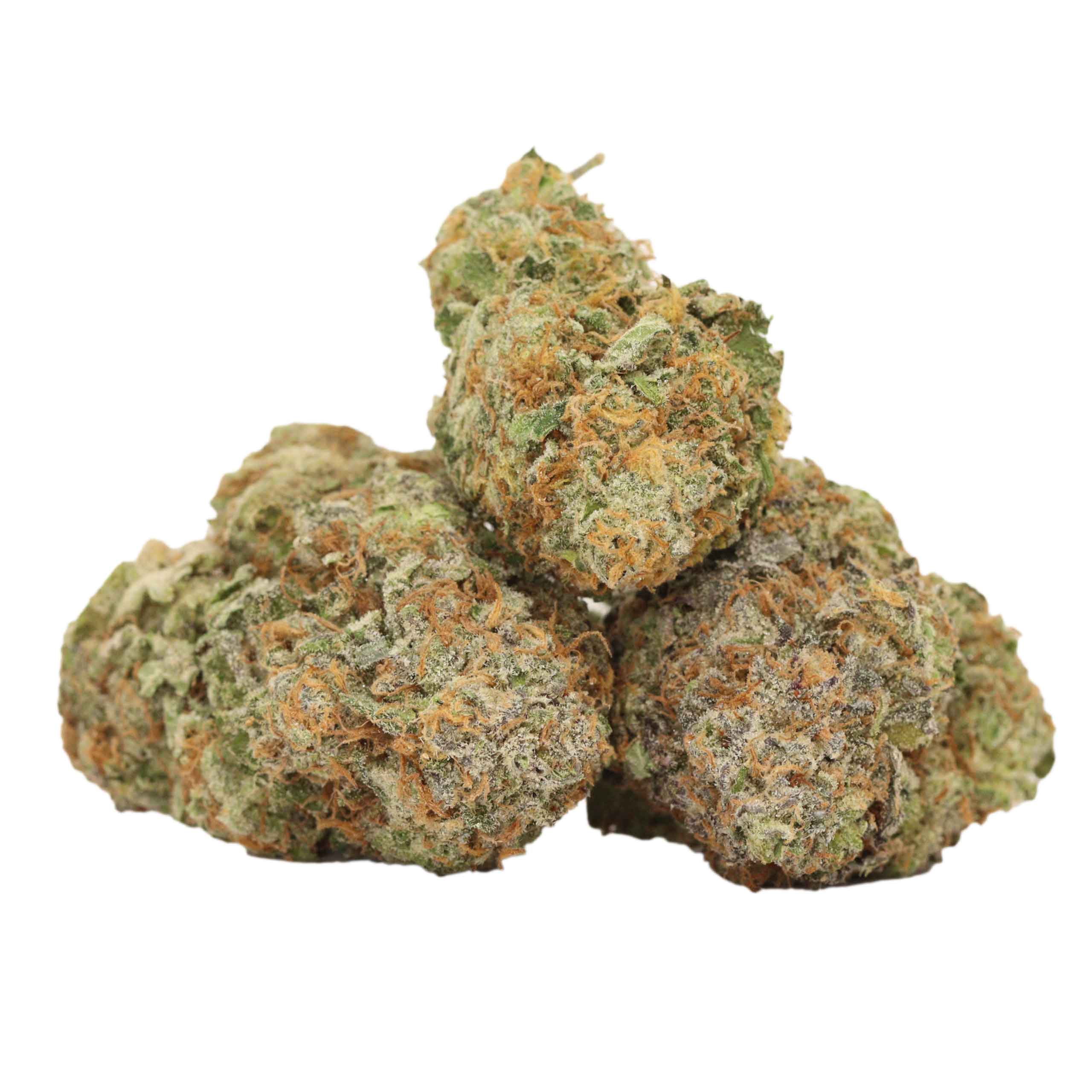
The Red Congolese strain, sometimes called Red Congo, is a recognizable sativa cannabis variety known for its reputation for energetic, focused and creative effects. Its distinctive background, relatively high THC content and herbal flavor profile have helped it maintain a following among U.S. cannabis consumers researching classic sativa-dominant varieties.
Interest in Red Congolese also overlaps with broader health-related searches, including cannabis pain relief, cannabis for arthritis pain, marijuana for pain relief pros and cons, side effects of CBD oil, and questions such as is cannabis oil legal?
These subjects require an important distinction: consumer experiences with an individual strain are not equivalent to clinical evidence showing that the strain treats a disease.
This guide examines Red Congolese from an educational perspective, separating what is known about the strain from what current research actually tells us about cannabis, cannabinoids and pain.
Readers researching cannabis terminology, strain characteristics and U.S. cannabis topics can also explore weedshopusa.com as an additional educational resource.
What Is the Red Congolese Strain?
Red Congolese is generally classified as a sativa cannabis strain.
Its precise genetic history is somewhat disputed. According to Leafly’s Red Congolese strain profile, Red Congolese is sometimes described as an African sativa landrace, while the version popularized in California is associated with African, Mexican and Afghani ancestry.
That uncertainty is worth acknowledging because cannabis strain names are not standardized botanical certifications.
Different cultivators can produce plants under the same strain name that have somewhat different cannabinoid and terpene compositions.
Red Congolese Strain at a Glance
| Characteristic | Red Congolese |
|---|---|
| Common name | Red Congolese / Red Congo |
| General classification | Sativa |
| Representative THC | Around 23% on Leafly |
| Representative CBD | Very low |
| Common effects reported | Focused, energetic, creative |
| Common flavors | Spicy/herbal, sage, chestnut |
| Reported prominent terpenes | Myrcene, pinene, caryophyllene |
| Intoxicating | Yes |
| Pain-treatment status | Not an FDA-approved pain treatment |
| U.S. legality | Varies by jurisdiction and product |
Leafly currently displays approximately 23% THC and 0% CBD as representative figures for Red Congolese.
Actual potency can differ substantially by harvest and product, however. Consumers should use laboratory results from the particular product rather than assuming every package labeled Red Congolese contains exactly the same cannabinoid concentrations.
What Does Red Congolese Feel Like?
Consumer reports commonly characterize Red Congolese as mentally stimulating rather than strongly sedating.
Frequently reported effects include:
- feeling focused
- increased energy
- creativity
- cerebral stimulation
- altered sensory perception
- elevated mood
Leafly’s consumer data currently identifies focused, energetic and creative among the strain’s leading reported effects. Anxiety, dry eyes and paranoia are among its reported negative effects.
These reports should be understood as consumer experiences—not controlled clinical findings.
A person’s response can change according to THC concentration, amount consumed, tolerance, physiology, medications, setting and other factors.
Red Congolese Terpene Profile
Red Congolese is associated with an herbal and spicy aromatic profile rather than the intensely fruity characteristics found in many modern hybrids.
Myrcene
Leafly lists myrcene as its dominant terpene. Myrcene occurs naturally in cannabis as well as numerous other plants.
Pinene
Pinene contributes pine-like aromatic characteristics and is widely distributed throughout the plant kingdom.
Caryophyllene
Caryophyllene is associated with spicy, pepper-like aromas and is another terpene commonly encountered in cannabis.
These compounds contribute to cannabis aroma and chemistry, but terpene content alone should not be used to predict whether a strain will treat a medical condition.
Red Congolese and Cannabis Pain Relief
The relationship between cannabis and pain relief is considerably more complicated than claims such as “this strain kills pain.”
Cannabinoids have been investigated for several types of chronic pain. Current research suggests that certain cannabinoid preparations may provide relatively small improvements in pain for some patients, while also increasing certain adverse effects.
A 2025 living systematic review found that an oral spray containing comparable amounts of THC and CBD was associated with a small reduction in pain severity compared with placebo. At the same time, dizziness and sedation were substantially more common and nausea risk also increased.
Another updated systematic review published in Annals of Internal Medicine emphasizes that the benefits and harms of cannabinoids for chronic pain continue to involve uncertainty.
This distinction matters enormously:
Evidence concerning particular standardized cannabinoid preparations cannot automatically be transferred to Red Congolese flower.
There is not equivalent high-quality clinical evidence demonstrating that Red Congolese itself is an established pain medication.
Cannabis for Arthritis Pain
Searches for cannabis for arthritis pain have become common as cannabis laws and medical programs have expanded.
Arthritis is not one single disease. Osteoarthritis, rheumatoid arthritis and other inflammatory or degenerative conditions have different causes and treatment considerations.
Cannabinoids interact with biological systems involved in pain signaling, which helps explain scientific interest in their potential therapeutic applications.
But biological plausibility does not equal proven clinical effectiveness.
An overview of 68 systematic reviews evaluating therapeutic cannabis derivatives found that certainty of evidence was not high for any evaluated outcome. For chronic non-cancer pain specifically, the authors concluded cannabinoids appeared not to provide a clinically important benefit based on the evidence assessed.
Newer evidence assessments have identified small benefits from certain preparations while continuing to highlight adverse effects and important evidence limitations.
Consequently, Red Congolese should not be advertised as a proven arthritis treatment.
Marijuana for Pain Relief: Pros and Cons
People researching marijuana for pain relief pros and cons should consider potential benefits and disadvantages together.
Potential Pros
Some evidence of pain reduction: Certain THC/CBD formulations have produced small improvements in chronic-pain measurements in randomized studies.
Multiple formulations: Medical cannabis programs may permit different formulations, depending on state regulations.
Continued clinical research: Cannabinoids remain an active field of pain research, which should gradually improve understanding of which preparations may help particular patients.
Potential Cons
Adverse effects: THC-containing products can cause dizziness, anxiety, sedation, impaired coordination and altered perception.
Impairment: THC can impair the ability to drive and perform safety-sensitive activities.
High potency: A high-THC strain such as Red Congolese may be uncomfortable for THC-sensitive or inexperienced individuals.
Psychological effects: Anxiety and paranoia are among the negative experiences reported by Red Congolese consumers.
Evidence limitations: Research on standardized cannabinoid medications does not prove that individual cannabis strains provide equivalent medical effects.
Legal differences: Marijuana remains subject to different federal and state rules.
For people experiencing chronic or severe pain, cannabis information should complement—not replace—professional medical evaluation.
Red Congolese vs CBD Oil
Red Congolese and CBD oil are fundamentally different cannabis-related products.
| Red Congolese | CBD Oil |
|---|---|
| Typically THC-dominant | Primarily cannabidiol |
| Intoxicating | CBD itself is not typically intoxicating |
| Cannabis flower strain | Extract/formulation |
| Often associated with high THC | CBD concentration depends on product |
| Impairment possible | Different safety profile |
| Strain chemistry varies | Formulation varies considerably |
This distinction becomes especially important when discussing side effects CBD oil because the adverse effects associated with CBD should not simply be applied to high-THC cannabis.
Side Effects of CBD Oil
CBD is frequently described online as harmless because it does not produce the typical THC “high.” That description oversimplifies its pharmacology.
A systematic review and meta-analysis of randomized controlled trials identified increased rates of adverse events including decreased appetite, diarrhea, somnolence and sedation in certain clinical settings. The researchers also emphasized monitoring possible medication interactions.
A subsequent review similarly found that commonly reported CBD adverse effects included gastrointestinal symptoms, somnolence and appetite changes.
Potential CBD considerations therefore include:
Gastrointestinal symptoms: Diarrhea is among the more consistently documented adverse effects.
Sleepiness: Somnolence or sedation can occur.
Appetite changes: Reduced appetite has been documented in clinical research.
Liver considerations: Liver-enzyme elevations have occurred particularly with higher therapeutic doses and certain concurrent medications.
Drug interactions: CBD can interact with medications, making professional guidance important for patients taking prescription drugs.
People considering CBD for arthritis or chronic pain should therefore avoid assuming that a non-intoxicating cannabinoid automatically means a risk-free treatment.
Red Congolese Side Effects
Red Congolese presents a different safety question because it is generally THC-dominant.
Possible THC-related effects include:
- anxiety
- paranoia
- dry mouth
- dry eyes
- dizziness
- short-term memory impairment
- impaired coordination
- altered perception
- increased heart rate
- reduced driving ability
The likelihood and intensity of these experiences can depend heavily on dose.
Products containing approximately 20% or more THC can expose inexperienced consumers to substantial amounts of THC very quickly.
Is Cannabis Oil Legal?
The answer to “is cannabis oil legal?” depends on what the term cannabis oil actually describes and where the person is located.
Cannabis oil can refer to very different products, including:
- marijuana-derived THC oil,
- CBD-dominant cannabis extracts,
- hemp-derived cannabinoid products, or
- regulated medical cannabis preparations.
These products do not necessarily share the same legal status.
State cannabis laws also vary dramatically. Some jurisdictions permit medical and adult-use marijuana, some maintain medical-only frameworks, and others impose substantially greater restrictions.
Even where state law permits marijuana, federal restrictions can still matter.
Consumers should therefore verify the current laws of their state and locality instead of relying on a general statement that “cannabis oil is legal.”
The product’s THC concentration and source can also affect its regulatory classification.
Medical Cannabis vs Recreational Cannabis
Another important distinction involves why and how cannabis is accessed.
Medical cannabis generally refers to cannabis used under a state’s medical cannabis framework. Requirements can include physician certification, patient registration, qualifying medical conditions and product restrictions.
Adult-use cannabis generally refers to nonmedical cannabis legally available to qualifying adults in jurisdictions permitting recreational use.
A state can permit one category without permitting the other.
Readers exploring broader U.S. cannabis terminology and strain education can visit weedshopusa.com.
Why Laboratory Testing Matters
Cannabis names are useful but imperfect.
One producer’s Red Congolese may not have exactly the same chemical composition as another producer’s Red Congolese.
A laboratory certificate of analysis can provide more useful information concerning:
- total THC
- total CBD
- other measured cannabinoids
- terpene composition
- contaminant testing
- batch identification
For someone particularly sensitive to THC, laboratory potency is considerably more informative than relying on terms such as “sativa.”
Responsible Cannabis Education
Responsible cannabis education means discussing potential benefits alongside limitations and risks.
THC-containing cannabis should be kept securely away from children and pets. People should not drive or operate machinery while impaired. Combining cannabis with alcohol or other intoxicating substances can increase impairment.
Individuals considering cannabis specifically for arthritis, chronic pain or another health condition should discuss their symptoms with an appropriate healthcare professional.
Additional strain and cannabis education can be explored at weedshopusa.com.
Educational Resources
For strain-specific background and reported characteristics, see Leafly’s Red Congolese guide. Leafly currently characterizes Red Congolese as a sativa with focused, energetic and creative effects reported by users.
For clinical evidence concerning cannabinoids and chronic pain, review the 2025 systematic review on PubMed. The review found small improvements in pain with certain THC/CBD preparations but also increased adverse effects including dizziness and sedation.
For CBD safety information, see the systematic review and meta-analysis on PubMed, which examined adverse effects across randomized clinical trials.
Frequently Asked Questions
1. What is the Red Congolese strain?
Red Congolese, or Red Congo, is generally classified as a sativa cannabis strain. Its exact ancestry is debated, although versions popularized in California have been associated with African, Mexican and Afghani genetic backgrounds.
2. How strong is Red Congolese?
Leafly currently lists a representative potency of approximately 23% THC with very little CBD. Actual THC concentrations can vary considerably between growers and batches, so laboratory testing should be used to determine the potency of a particular product.
3. Is Red Congolese good for arthritis pain?
There is insufficient clinical evidence to say that Red Congolese specifically treats arthritis. Certain cannabinoid preparations have demonstrated small improvements in some chronic-pain studies, but this evidence cannot automatically be applied to an individual cannabis strain.
4. What are the pros and cons of marijuana for pain relief?
Potential advantages include modest pain reduction demonstrated with some standardized cannabinoid preparations. Disadvantages include dizziness, sedation, nausea, impairment, psychological effects and uncertainty regarding long-term outcomes. The balance can vary substantially by individual and product.
5. Is cannabis oil legal in the United States?
There is no single yes-or-no answer. Legality depends on the oil’s cannabinoid composition and source as well as applicable federal, state and sometimes local law. Marijuana-derived THC oil can be regulated very differently from qualifying hemp-derived products. Consumers should verify current rules in their jurisdiction.
Final Thoughts
The Red Congolese strain occupies an interesting position within cannabis culture because of its sativa reputation, relatively high THC content and commonly reported focused, energetic and creative effects.
However, its popularity should remain separate from medical evidence.
Research into cannabis pain relief continues, and certain standardized cannabinoid formulations have demonstrated small reductions in chronic pain. Those findings do not establish Red Congolese itself as an arthritis or pain treatment.
Likewise, discussions about cannabis for arthritis pain, CBD oil and cannabis oil legality require nuance. CBD has documented adverse effects and potential drug interactions, while cannabis-oil laws depend heavily on composition and jurisdiction.
For consumers and patients alike, understanding cannabinoid content, laboratory testing, evidence quality, adverse effects and applicable state law provides a much stronger foundation than relying solely on a strain name.
Be the first to review “Red Congolese Strain”
Related products

Hash
Sativa
Indica
Sativa
Sativa
Sativa
Sativa
Reviews
There are no reviews yet.