
Candyland Kush: Genetics, Effects, THC & Why Candyland Is a Popular Cannabis Strain
Candyland Kush is a name cannabis consumers frequently encounter while researching colorful, sweet-flavored cannabis varieties. However, one of the first things to understand is that the famous Candyland strain is generally identified simply as Candyland—not Candyland Kush—and is associated with Granddaddy Purple × Bay Platinum Cookies genetics.
Candyland has earned substantial recognition within American cannabis culture. Leafly describes it as a sativa strain created from Granddaddy Purple and Bay Platinum Cookies, with uplifting and stimulating characteristics commonly reported by consumers.
Its colorful name and recognizable genetics naturally place Candyland in searches involving a strain of pot, best weed names, different types of ganja, good strains, top strain of weed, and best sativa strains.
But catchy strain names tell only part of the story.
Cannabis varieties can differ considerably in cannabinoid content, terpene composition and subjective effects, even when packages carry the same cultivar name.
This guide examines Candyland’s genetics, THC profile, effects, aroma, safety and place among popular U.S. cannabis strains.
For additional U.S.-focused cannabis strain terminology and educational information, readers can explore weedshopusa.com.
What Is Candyland Kush?
The widely recognized cultivar is Candyland, sometimes called Candyland Cookies.
Leafly identifies Candyland as:
Granddaddy Purple × Bay Platinum Cookies
and attributes the cultivar to breeder Ken Estes.
The strain is generally classified as sativa or sativa-dominant and has developed a reputation for stimulating rather than heavily sedating effects.
The term Candyland Kush can appear in searches, menus and product descriptions, but consumers should verify the actual genetics attached to a particular product rather than assuming every Candyland-related name represents the same cultivar.
That is especially important because the cannabis market contains many similarly named varieties.
Candyland Strain at a Glance
| Characteristic | General Description |
|---|---|
| Primary name | Candyland |
| Alternative name | Candyland Cookies |
| Often searched as | Candyland Kush |
| Genetics | Granddaddy Purple × Bay Platinum Cookies |
| Breeder associated with strain | Ken Estes |
| General category | Sativa / sativa-dominant |
| Representative THC | Around 19% on Leafly |
| Representative CBG | Around 1% |
| Common effects | Euphoric, happy, energetic |
| Common flavors | Sweet, spicy/herbal, earthy |
| Dominant listed terpene | Caryophyllene |
| Intoxicating | Yes |
| U.S. legality | Depends on jurisdiction |
The THC percentage represents a general database figure—not a guaranteed concentration for every Candyland product.
Candyland Genetics Explained
Candyland has an interesting genetic background because its parents are themselves highly recognizable cannabis cultivars.
Granddaddy Purple
Granddaddy Purple, commonly abbreviated GDP, is strongly associated with purple coloration, grape-like characteristics and an indica reputation.
Bay Platinum Cookies
Bay Platinum Cookies contributes genetics from the broader Cookies family.
Bringing these genetic lines together produced Candyland, which is generally associated with more stimulating effects than consumers might expect from Granddaddy Purple alone.
This demonstrates why simply looking at one parent cultivar does not reliably predict the resulting hybrid’s experience.
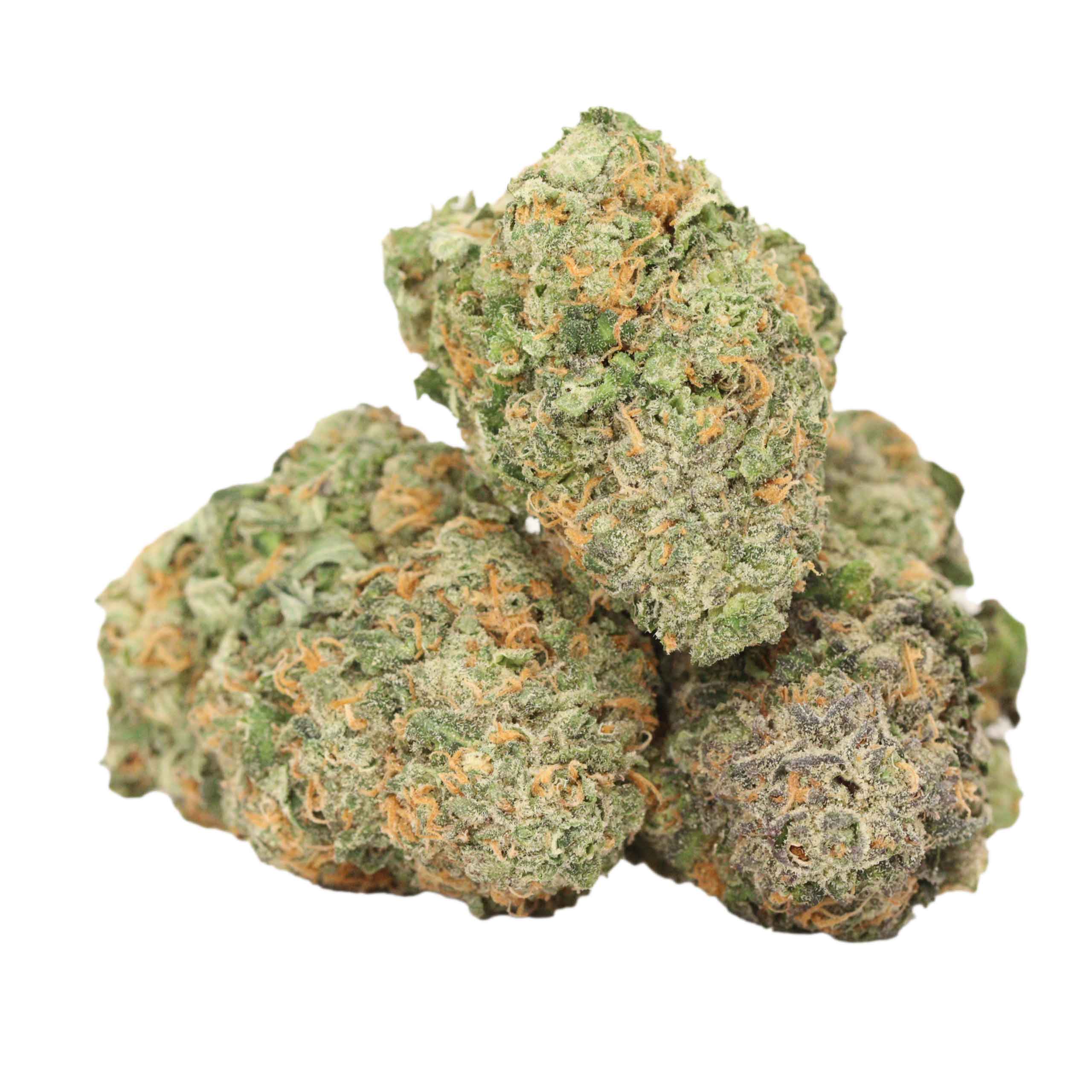
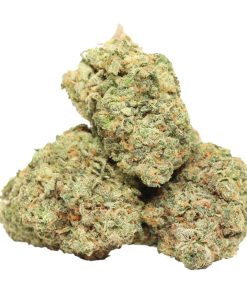
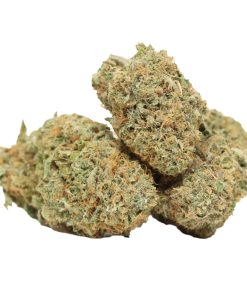
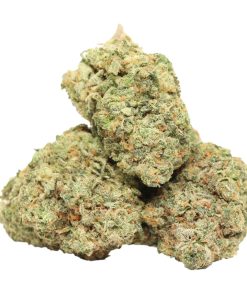
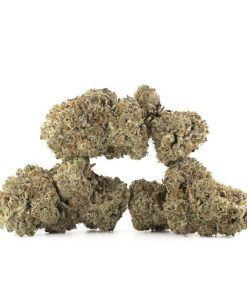
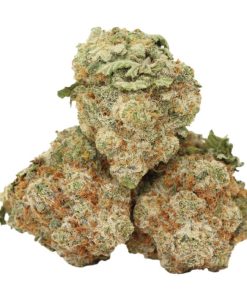
What Does Candyland Look Like?
Candyland has developed a reputation for attractive flowers.
Depending on cultivation and phenotype, characteristics can include:
- green flowers
- purple coloration
- orange pistils
- visible trichome coverage
- dense flower structure
- crystalline surfaces
The strain’s appearance contributes to the memorable Candyland name, although visual attractiveness does not determine cannabinoid potency.
A heavily frosted flower is not automatically stronger or safer than another product.
Laboratory testing remains the better way to evaluate chemical composition.
What Does Candyland Taste and Smell Like?
Candyland is generally associated with a combination of sweet and earthy characteristics.
Commonly reported notes include:
- sweet
- earthy
- spicy
- herbal
- pine-like
- berry-like undertones
Leafly identifies sweet, spicy/herbal and earthy among the prominent flavor descriptions associated with Candyland.
The cultivar’s broader aromatic identity helps explain why it remains memorable among consumers comparing best weed names.
Names such as Candyland, Wedding Cake, Gelato and Runtz also illustrate how modern cannabis branding frequently borrows terminology from desserts and candy.
Candyland Terpenes
Terpenes are aromatic compounds naturally produced by cannabis and numerous other plants.
Leafly identifies caryophyllene as Candyland’s dominant terpene, with limonene and myrcene also represented in its listed profile.
Caryophyllene
Beta-caryophyllene contributes spicy and pepper-like characteristics and naturally occurs in plants such as black pepper.
Limonene
Limonene is associated with citrus aromas and occurs naturally in citrus fruit peels and many other plants.
Myrcene
Myrcene is commonly encountered in cannabis and contributes earthy and herbal aromatic characteristics.
Consumers should be cautious about assigning guaranteed medical effects to individual terpenes. Aroma chemistry is real, but many therapeutic claims circulating online extend beyond established human clinical evidence.
Candyland Effects
Candyland is generally associated with a more stimulating consumer reputation.
Leafly’s consumer data prominently identifies:
- euphoric
- happy
- energetic
among commonly reported effects.
Other consumer experiences can include:
- creativity
- uplifted mood
- sociability
- mental stimulation
- relaxation
- altered perception
These descriptions are anecdotal consumer reports rather than guaranteed pharmacological outcomes.
The same strain of pot can affect different people differently.
Why Cannabis Effects Vary
Several factors influence the cannabis experience.
THC Concentration
Higher THC exposure generally produces greater intoxication and can increase adverse reactions.
Individual Tolerance
Someone with little THC exposure may react very differently from a frequent consumer.
Product Chemistry
Cannabinoid and terpene concentrations differ between individual products.
Amount Used
Exposure strongly influences intensity.
Individual Biology
Metabolism, genetics and other physiological factors contribute to variation.
Other Substances
Combining cannabis with alcohol or other intoxicants can alter effects and increase impairment.
This is why no strain description can guarantee exactly how Candyland will make an individual feel.
Is Candyland a Top Strain of Weed?
Candyland has enough recognition and genetic history to appear legitimately in discussions about a top strain of weed.
However, “top” is subjective.
There is no scientific organization ranking all cannabis cultivars and declaring one universally superior.
Consumers may define a top strain according to:
- genetics
- THC concentration
- aroma
- flavor
- appearance
- terpene composition
- consumer reputation
- cultivation quality
- personal experience
Candyland has particularly strong credentials in genetics and cannabis-culture recognition.
Leafly has also documented Candyland’s competition history, including recognition at cannabis events.
That makes it a historically notable American cultivar without establishing it as objectively better than every other strain.
What Makes Good Strains?
The phrase good strains is one of the broadest cannabis search terms.
Quality should ideally be evaluated using more than popularity.
A good cannabis product should involve consideration of:
Verified cannabinoid information: THC and CBD content should be clearly communicated.
Appropriate laboratory testing: Regulated jurisdictions establish testing requirements for specified contaminants and potency.
Freshness: Poor storage can reduce cannabis quality.
Terpene preservation: Aroma can provide information about freshness and chemical characteristics.
Cultivation quality: Genetics alone cannot compensate for poor growing, harvesting or storage practices.
Personal preference: The best flavor or experience for one adult may be undesirable for another.
For broader strain comparisons, readers can explore weedshopusa.com alongside laboratory and regulatory information.
Candyland and the Best Sativa Strains Conversation
Candyland frequently appears in conversations about best sativa strains because it has an energetic and uplifting reputation.
Some well-known sativa or sativa-dominant strain families discussed by consumers include:
- Candyland
- Durban Poison
- Jack Herer
- Sour Diesel
- Super Lemon Haze
- Trainwreck
This should not be interpreted as a scientific ranking.
Each cultivar has different genetics, chemistry and consumer-reported characteristics.
Furthermore, contemporary cannabis is heavily hybridized, making simplistic distinctions between pure indica and pure sativa increasingly difficult.
Candyland vs Other Popular Cannabis Styles
| Feature | Candyland | Classic Sativa Reputation | Indica-Dominant Reputation |
|---|---|---|---|
| General category | Sativa/sativa-dominant | Sativa | Indica-dominant |
| Common reputation | Energetic/uplifting | Stimulating | Relaxing |
| Candyland flavor | Sweet, earthy, spicy | Varies | Varies |
| THC | Batch dependent | Batch dependent | Batch dependent |
| Effects guaranteed? | No | No | No |
| Quality determined by name? | No | No | No |
The comparison shows why categories provide only a starting point.
Different Types of Ganja: Understanding the Terminology
People searching for different types of ganja are usually trying to understand how cannabis products and strains are categorized.
“Ganja” is a common term for cannabis, but cannabis itself can be discussed through several classification systems.
Sativa
Historically associated in popular cannabis culture with taller plants and stimulating effects.
Indica
Traditionally associated with shorter plants and more relaxing consumer experiences.
Hybrid
A broad category describing cannabis produced from multiple genetic lineages.
High-CBD Cultivars
These varieties are bred to express greater cannabidiol concentrations relative to typical THC-dominant cannabis.
THC-Dominant Cultivars
Many modern recreational strains fall into this broad chemical category.
Chemical composition ultimately provides more actionable information than slang terminology alone.
Best Weed Names vs Best Cannabis Quality
Cannabis culture has produced remarkably memorable cultivar names.
Examples include:
- Candyland
- Pineapple Express
- Wedding Cake
- Gelato
- Runtz
- Northern Lights
- Blue Dream
- Granddaddy Purple
- Super Lemon Haze
- Trainwreck
These are unquestionably recognizable weed names, but a creative name does not guarantee superior cannabis.
Marketing and chemistry are different things.
A relatively unknown cultivar with excellent cultivation and verified laboratory results can be higher quality than a poorly produced batch carrying a famous name.
Candyland THC Potency
Leafly currently associates Candyland with approximately 19% THC as a representative figure.
Actual products can test above or below that number.
This variation results from factors including:
- phenotype
- cultivation environment
- harvest timing
- curing
- plant genetics
- testing methodology
Consumers should therefore examine the laboratory information attached to the actual product.
A strain database percentage should never replace batch-specific testing.
Does High THC Mean a Better Strain?
No.
A common mistake when identifying a top strain of weed is ranking strains exclusively according to THC percentage.
THC concentration does not directly measure:
- flavor
- freshness
- cultivation quality
- terpene diversity
- consumer preference
- overall product quality
Higher THC exposure can also increase the intensity of adverse effects.
For some individuals, moderate-potency cannabis may provide a more manageable experience than extremely high-THC products.
Potential Candyland Side Effects
THC-containing cannabis can cause adverse effects.
Candyland consumer reports include:
- dry mouth
- dry eyes
- dizziness
Cannabis more broadly can also cause:
- anxiety
- paranoia
- increased heart rate
- altered perception
- short-term memory impairment
- impaired coordination
- reduced reaction time
- impaired judgment
A scientific review indexed by PubMed notes that acute cannabis intoxication can involve cognitive and psychomotor impairment, while higher exposures can increase the likelihood of uncomfortable psychological effects.
This is especially important when discussing potent cannabis varieties.
Cannabis and Driving
Feeling energetic after a sativa-dominant strain does not mean a person is unimpaired.
THC can affect:
- reaction time
- attention
- coordination
- judgment
- perception
Consumers should not drive or operate machinery while impaired by cannabis.
The energetic reputation associated with Candyland should never be interpreted as protection against THC-related impairment.
Is Candyland Kush Legal in the USA?
Cannabis legality in the United States depends primarily on jurisdiction and product classification—not strain name.
Candyland is not automatically legal because it is a particular cultivar.
States have adopted different policies concerning:
- medical cannabis
- adult-use cannabis
- possession
- retail sales
- cultivation
- product testing
- delivery
- taxation
- public consumption
The National Conference of State Legislatures maintains an updated database tracking cannabis legislation and regulatory developments across U.S. states.
Consumers should verify current state and local law before possessing or using marijuana products.
Medical vs Recreational Cannabis
Candyland may appear in markets serving adult-use consumers as well as medical cannabis patients.
Those categories describe legal frameworks rather than fundamentally different plants.
Medical programs may involve patient registration, healthcare-provider involvement, qualifying conditions and specific possession or product requirements.
Adult-use programs generally permit qualifying adults to possess or obtain cannabis within established limits.
Rules differ significantly between jurisdictions.
Why Laboratory Testing Matters
A product labeled Candyland should ideally be evaluated according to its actual laboratory results.
Depending on jurisdiction and testing requirements, useful information can include:
- THC
- CBD
- other cannabinoids
- terpene composition
- batch identification
- contaminant results
Two products carrying the Candyland name can have substantially different chemical profiles.
This is one reason consumers should avoid treating a famous strain name as a guarantee of quality.
Responsible Cannabis Education
Cannabis discussions should include safety alongside strain popularity.
THC-containing products should be kept securely away from children and pets.
Adults should avoid driving while impaired.
Combining cannabis with alcohol or other intoxicants may increase impairment.
People considering cannabis because of a medical condition should seek appropriate healthcare advice rather than relying on consumer strain reviews.
Readers interested in additional strain terminology can use weedshopusa.com as an educational starting point.
Educational Resources
For strain genetics, reported effects and consumer information, see Leafly’s Candyland strain guide. Leafly identifies Candyland as a Granddaddy Purple × Bay Platinum Cookies cultivar and associates it with euphoric, happy and energetic consumer reports.
For current U.S. cannabis laws and state policy developments, consult the National Conference of State Legislatures Cannabis Legislation Database. The resource tracks medical cannabis, adult-use programs, product regulation and other state cannabis policies.
For scientific background on cannabis effects and safety, see the PubMed review on the clinical toxicology of cannabis. The review discusses acute cannabis effects, impairment and potential toxicity.
Additional U.S.-focused cannabis terminology and strain education can be explored through weedshopusa.com.
Frequently Asked Questions
1. What strain is Candyland Kush?
The widely recognized Candyland cultivar is associated with Granddaddy Purple × Bay Platinum Cookies genetics. “Candyland Kush” may be used informally or for other products, so consumers should verify the genetics listed by the actual producer.
2. Is Candyland a sativa or indica?
Candyland is generally categorized as a sativa or sativa-dominant cannabis strain. Consumer reports commonly emphasize energetic, happy and euphoric characteristics, although individual experiences vary.
3. Is Candyland considered a top strain of weed?
Candyland is a well-established and recognizable cultivar with notable genetics and cannabis-culture history. Whether it qualifies as the top strain of weed is subjective because no scientific ranking establishes one universally best cannabis cultivar.
4. What makes a good cannabis strain?
Genetics are only one factor. Cannabinoid composition, terpene profile, laboratory testing, cultivation quality, freshness, storage and personal preference all contribute to how consumers evaluate good strains.
5. Is Candyland one of the best sativa strains?
Candyland is commonly included in discussions about popular sativa-oriented cultivars because of its genetics and energetic reputation. However, “best sativa strains” is a preference-based category rather than an objective scientific ranking.
Where to Explore Further
Readers comparing Candyland with other good strains, sativa-dominant hybrids and different types of cannabis can explore weedshopusa.com for additional educational strain information.
For broader explanations of cannabis genetics, strain terminology and popular U.S. cultivars, use weedshopusa.com alongside scientific and government resources.
Final Thoughts
Candyland Kush, more accurately represented by the established Candyland strain in major cannabis databases, is a recognizable Granddaddy Purple × Bay Platinum Cookies cultivar with a sweet, earthy profile and predominantly uplifting consumer reputation.
Its memorable name makes Candyland especially relevant to searches for best weed names, while its sativa-oriented reputation places it naturally alongside discussions about best sativa strains.
But neither popularity nor a creative name makes a cannabis cultivar objectively superior.
The phrase top strain of weed remains subjective, and genuinely good strains should be evaluated through genetics, cannabinoid testing, terpene composition, cultivation quality, freshness and individual preference.
Candyland’s history and genetics give it a meaningful position in American cannabis culture. Consumers should nevertheless treat strain descriptions as educational guides rather than guarantees of effects and should always consider product-specific laboratory information and applicable cannabis laws.
Be the first to review “Candyland Kush”
Related products
Sativa
hybrid
Sativa
hybrid
hybrid
Sativa
Sativa
hybrid
Reviews
There are no reviews yet.