
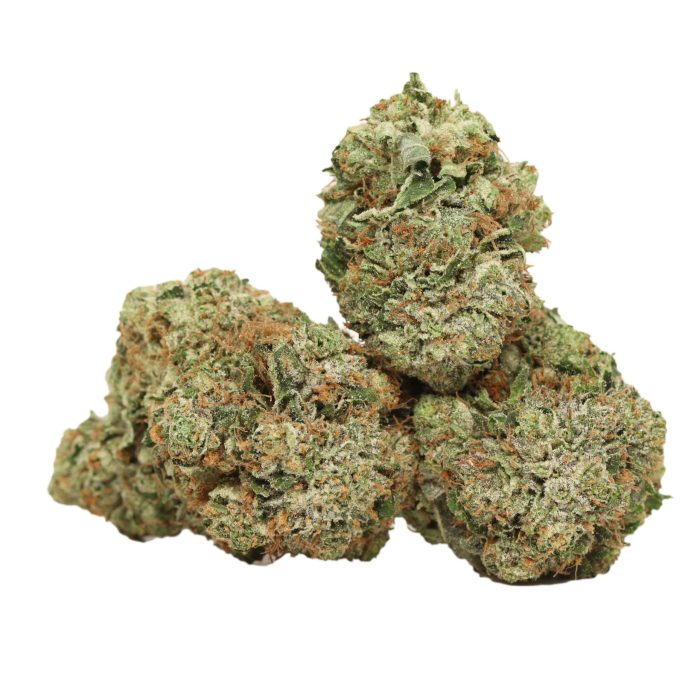
Dior Pink Kush: Indica, Nerve Pain & Inflammation Research
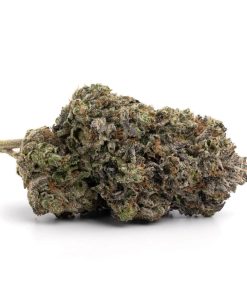
Dior Pink Kush is a cannabis product/cultivar name associated with the broader Pink Kush and indica market. People researching it may also be looking for indica for pain, indica strains for pain relief, the best strains for inflammation, the best THC for nerve pain, or cannabis strain anti inflammatory information.
These searches need an important distinction between consumer strain experiences and clinical research.
Current evidence does not establish Dior Pink Kush—or another named recreational cannabis strain—as the medically “best” option for pain, inflammation, neuropathy or pancreatitis.
A 2026 systematic review of cannabis-based products for chronic pain found small short-term improvements with some high-THC or approximately balanced THC:CBD products, while dizziness, sedation and nausea increased. Another 2026 Cochrane review specifically examining chronic neuropathic pain concluded that evidence remains uncertain and generally low or very low certainty.
The pancreatitis question requires even greater caution because cannabis has been investigated both for chronic-pancreatitis pain and as a possible contributor to acute pancreatitis.
For additional educational cannabis information, readers can explore WeedShopUSA cannabis education.
What Is Dior Pink Kush?
Dior Pink Kush should be treated as a producer- or market-specific cannabis name unless its breeder and laboratory documentation establish a particular standardized genetic line.
The better-established name Pink Kush is associated with the broader OG Kush family and is commonly described as a potent, relaxing cultivar.
However, adding “Dior” to a product name does not guarantee:
- standardized genetics
- standardized THC
- standardized CBD
- identical terpene concentrations
- identical effects
Consumers should therefore distinguish the commercial product name from independently established genetic information.
Dior Pink Kush at a Glance
| Characteristic | Evidence-Based Interpretation |
|---|---|
| Product name | Dior Pink Kush |
| Broader association | Pink Kush / Kush-style cannabis |
| Common category | Indica-oriented |
| Guaranteed THC level | No; batch testing required |
| Proven best indica for pain | No |
| Proven treatment for nerve pain | No |
| Proven anti-inflammatory strain | No |
| Proven pancreatitis treatment | No |
| Cannabinoids studied for chronic pain | Yes |
| Pancreatitis safety concern | Cannabis-associated acute pancreatitis has been reported |
Dior Pink Kush Effects
Indica-oriented Kush products are commonly associated by consumers with:
- physical relaxation
- sleepiness
- euphoria
- altered perception of discomfort
These subjective experiences should not be converted into medical claims.
Possible THC-related adverse effects include:
- dizziness
- sedation
- anxiety
- paranoia
- impaired coordination
- impaired attention
- increased heart rate
- altered perception
Effects depend heavily on dose and individual susceptibility.
Dior Pink Kush THC Levels
There is no scientifically defensible single THC percentage that applies to every product sold as Dior Pink Kush.
Cannabinoid levels can vary according to:
- genetics
- phenotype
- cultivation
- harvest
- storage
- processing
- laboratory methodology
Batch-specific laboratory testing is therefore more reliable than assuming potency from the strain name.
Indica for Pain
The phrase indica for pain remains popular, but indica is not a standardized medical treatment category.
Modern cannabis has undergone extensive crossbreeding.
Two products labeled “indica” can have substantially different:
- THC levels
- CBD levels
- minor cannabinoids
- terpene profiles
Clinical research therefore focuses much more heavily on cannabinoid composition and dose than on broad indica/sativa marketing categories.
Does Indica Help With Pain?
Some consumers report that indica-oriented products produce stronger physical relaxation.
Relaxation can change how discomfort feels.
However, this does not establish that indica cannabis:
- repairs damaged nerves
- reduces every form of inflammation
- treats arthritis
- treats pancreatitis
- cures chronic pain
Pain has many different causes.
Indica Strains for Pain Relief
There is no clinically established ranking of indica strains for pain relief.
Online strain lists are commonly based on:
- consumer ratings
- personal experiences
- dispensary descriptions
- historical reputation
Randomized clinical trials generally do not compare dozens of named recreational strains against one another.
It is therefore more accurate to discuss cannabinoids than to rank strains.
Indica Strains for Pain
When researching indica strains for pain, consider the type of pain involved.
Pain can be:
- neuropathic
- inflammatory
- musculoskeletal
- visceral
- cancer-related
- postoperative
- headache-related
A cannabinoid formulation that affects one pain condition may not produce the same result for another.
What Is Nerve Pain?
Nerve pain, or neuropathic pain, results from disease or damage affecting the nervous system.
People may describe neuropathic pain as:
- burning
- shooting
- stabbing
- tingling
- electric-shock sensations
- painful numbness
Conditions associated with neuropathic pain can include:
- diabetes
- shingles
- nerve injuries
- spinal-cord injury
- multiple sclerosis
- some chemotherapy treatments
This is one of the major areas studied in cannabinoid pain research.
Best THC for Nerve Pain
There is no scientifically established best THC for nerve pain in the sense of a universally ideal THC percentage or cannabis strain.
This is especially important because more THC does not automatically produce greater pain relief.
A 2026 systematic review of 25 short-term randomized trials involving 2,303 participants—64% of whom had neuropathic pain—found that high THC-to-CBD and approximately balanced THC:CBD products produced small improvements in pain severity.
The same evidence showed increased:
- dizziness
- sedation
- nausea
Therefore, increasing THC exposure can increase harms without guaranteeing greater benefit.
New 2026 Neuropathic Pain Evidence
A separate 2026 Cochrane review examined cannabis-based medicines specifically for chronic neuropathic pain.
Researchers evaluated:
- THC-dominant medicines
- balanced THC:CBD medicines
- CBD-dominant medicines
The review concluded that there was no clear evidence that THC-dominant medicines produced pain relief of 50% or greater, with evidence generally rated very low certainty.
CBD-dominant medicines likewise did not have clear evidence for 50% or greater pain relief.
This demonstrates why claims about the “best THC” should be approached cautiously.
Dior Pink Kush and Nerve Pain
There is no clinical evidence demonstrating that Dior Pink Kush specifically treats neuropathic pain.
Clinical evidence involving standardized cannabinoid formulations cannot automatically be transferred to a named recreational cultivar.
A scientifically accurate statement is:
Certain standardized cannabinoid products may provide small short-term pain improvements for some people, while evidence specifically for neuropathic pain remains uncertain and adverse effects are important.
That is substantially different from saying Dior Pink Kush is a proven neuropathy medicine.
Higher THC Does Not Mean Better Pain Control
The cannabis market frequently emphasizes THC percentages.
But clinical pain treatment is not a competition to achieve the greatest intoxication.
Higher THC exposure may increase:
- dizziness
- anxiety
- sedation
- cognitive impairment
- paranoia
- coordination problems
Therefore:
Higher potency ≠ better medicine.
Best Strains for Inflammation
There is no clinically established list of the best strains for inflammation.
Cannabinoids interact with biological systems involved in:
- immune signaling
- inflammatory pathways
- pain perception
That has generated considerable laboratory research.
But laboratory evidence of anti-inflammatory activity is not the same as proving that a particular cannabis strain treats an inflammatory disease in humans.
Cannabis Strain Anti Inflammatory Claims
Searches for cannabis strain anti inflammatory products frequently lead to strain rankings.
Those rankings should be interpreted cautiously.
Cannabis contains numerous compounds, including:
- THC
- CBD
- CBG
- CBC
- terpenes
Several have demonstrated interesting biological effects in experimental research.
Human clinical effectiveness remains condition-specific.
THC and Inflammation
THC interacts primarily with cannabinoid receptors, particularly CB1 and CB2.
The endocannabinoid system participates in several processes related to:
- pain
- immune activity
- neurological signaling
These mechanisms make THC scientifically interesting for inflammation research.
They do not prove that THC treats every inflammatory disease.
CBD and Inflammation
CBD also interacts with multiple biological pathways.
Preclinical studies have reported potential:
- anti-inflammatory
- antioxidant
- immunomodulatory
effects.
Again, these findings should not be transformed into a claim that ordinary CBD or cannabis flower cures inflammatory disease.
Terpenes and Inflammation
Cannabis terpenes such as:
- beta-caryophyllene
- limonene
- myrcene
- pinene
- linalool
are also being investigated.
Beta-caryophyllene receives particular interest because of its interaction with CB2 receptors.
However, current evidence does not support ranking cannabis strains as medical anti-inflammatory treatments based solely on terpene profiles.
Pain Relief Is Not the Same as Reducing Inflammation
This distinction is critical.
Someone may feel less pain without the underlying inflammatory process changing substantially.
THC can influence:
- pain perception
- attention
- mood
- sensory processing
Therefore:
Feeling less pain does not automatically prove inflammation has decreased.
For additional evidence-focused cannabis education, readers can explore WeedShopUSA.
Best Strain for Pancreatitis
There is currently no clinically established best strain for pancreatitis.
This keyword requires particular caution because pancreatitis can be a serious medical condition.
Pancreatitis means inflammation of the pancreas.
It can occur as:
- acute pancreatitis
- chronic pancreatitis
Symptoms can include severe upper-abdominal pain, nausea and vomiting.
Cannabis and Chronic Pancreatitis
A 2026 review examined cannabis use in people with chronic pancreatitis.
The researchers noted increasing cannabis use among these patients, particularly among people with:
- chronic abdominal pain
- chronic opioid use
But the evidence was limited.
A retrospective study associated medical cannabis with reduced average daily opioid use.
However, a randomized controlled trial found that THC did not significantly decrease abdominal pain.
The overall evidence was characterized as limited and mostly low quality.
Cannabis Is Not a Proven Pancreatitis Treatment
The available research does not justify recommending Dior Pink Kush or another cannabis strain as treatment for pancreatitis.
This is especially important because cannabis has also been reported as a possible cause of acute pancreatitis.
A pharmacovigilance and literature review identified cannabinoid-associated acute-pancreatitis cases involving:
- recreational cannabis
- THC
- CBD
- dronabinol
Recurrence was reported in some cases following continued exposure or rechallenge.
Cannabis-Associated Acute Pancreatitis
Cannabis-associated pancreatitis appears uncommon, but it is medically important.
Published systematic reviews have described cases where:
- pancreatitis followed cannabis exposure
- other common causes were excluded
- symptoms resolved after stopping cannabis
- pancreatitis sometimes returned after renewed exposure
These observations do not mean cannabis causes every case of pancreatitis.
They do mean cannabis should not be casually marketed as a pancreatitis remedy.
Dior Pink Kush and Pancreatitis
There is no clinical evidence establishing Dior Pink Kush as an appropriate treatment for pancreatitis.
Someone with known or suspected pancreatitis should not select a cannabis strain based on online “best strain” lists.
Pancreatitis can require urgent medical care.
When Abdominal Pain Requires Medical Attention
Severe or persistent upper-abdominal pain—especially pain spreading toward the back—can require medical assessment.
Additional concerning symptoms can include:
- persistent vomiting
- fever
- rapid heart rate
- abdominal tenderness
- jaundice
- inability to keep fluids down
Cannabis should not delay evaluation of severe unexplained abdominal pain.
Dior Pink Kush: Pain vs Inflammation vs Pancreatitis
| Question | Current Evidence |
|---|---|
| Is Dior Pink Kush proven for chronic pain? | No |
| Is it the best indica for pain? | Not established |
| Can some cannabinoids reduce chronic pain? | Small short-term benefit in some trials |
| Is higher THC always better for nerve pain? | No |
| Is Dior Pink Kush proven anti-inflammatory? | No |
| Is there a best cannabis strain for pancreatitis? | No |
| Did THC clearly reduce chronic-pancreatitis pain in an RCT? | No |
| Has cannabis been associated with acute pancreatitis? | Yes, in published case literature/reviews |
Indica vs Sativa for Pain
Clinical evidence does not demonstrate that all indica strains are better than all sativas for pain.
More useful characteristics include:
- THC concentration
- CBD concentration
- THC:CBD ratio
- formulation
- dose
- route of administration
- type of pain
The indica/sativa label alone is a poor predictor of clinical response.
Cannabis and Chronic Pain
The overall chronic-pain evidence remains nuanced.
Some standardized THC-containing products produce small short-term improvements.
But the evidence for whole-plant cannabis remains insufficient in major evidence reviews.
Long-term evidence is also limited.
This matters because Dior Pink Kush is whole-plant cannabis rather than a standardized pharmaceutical cannabinoid preparation.
Cannabis Pain Evidence at a Glance
| Product | Pain Evidence |
|---|---|
| High THC-to-CBD standardized products | Small improvement possible |
| Approximately balanced THC:CBD products | Small improvement possible |
| CBD-dominant products | Benefit uncertain |
| Whole-plant cannabis | Evidence insufficient |
| Dior Pink Kush specifically | Not clinically established |
| High-THC indica category | Not established as superior |
Cannabis and Pain Medication
THC can add to impairment caused by other substances.
Particular caution may be needed with:
- opioids
- benzodiazepines
- alcohol
- sleeping medications
- other sedatives
People managing chronic pain with prescription medication should discuss cannabinoid use with their healthcare professional.
Cannabis and Driving
THC can impair:
- reaction time
- coordination
- attention
- judgment
People should not drive while impaired.
Using cannabis because of pain does not eliminate its impairing effects.
Responsible Dior Pink Kush Health Claims
There is insufficient evidence to claim Dior Pink Kush:
- cures nerve pain
- repairs damaged nerves
- treats inflammatory disease
- is the best indica for pain
- is the best THC product for neuropathy
- treats pancreatitis
- prevents pancreatitis
Responsible cannabis education should distinguish consumer experiences from controlled medical evidence.
Educational Resources
For the newest peer-reviewed evidence evaluating cannabis-based products for chronic pain, review the 2026 PubMed systematic review of cannabis-based products for chronic pain.
For evidence specifically evaluating cannabis-based medicines for chronic neuropathic pain, review the 2026 Cochrane review indexed by PubMed.
For the latest review examining cannabis use and chronic pancreatitis—including the limitations of current evidence—review the 2026 PubMed review on cannabis and chronic pancreatitis.
For additional U.S. cannabis education, readers can explore WeedShopUSA.
Frequently Asked Questions
1. What is Dior Pink Kush?
Dior Pink Kush is a cannabis product/cultivar name associated with the broader Pink Kush and indica market. Because producer-specific versions can differ, batch laboratory results are more reliable than assuming standardized potency or genetics from the name alone.
2. Is indica good for pain?
Some consumers report physical relaxation from indica-oriented cannabis. Clinical research, however, does not establish the indica category as superior for pain. Cannabinoid composition, formulation, dose and pain type are more meaningful.
3. What is the best THC for nerve pain?
There is no universally established THC percentage or named strain that is best for nerve pain. Some standardized THC-containing products show small pain improvements, while the newest neuropathic-pain evidence remains uncertain and THC can increase adverse effects.
4. What are the best strains for inflammation?
No recreational cannabis strain has been clinically established as universally best for inflammation. Cannabinoids demonstrate anti-inflammatory activity in experimental research, but human clinical effectiveness depends on the specific disease and formulation.
5. What is the best strain for pancreatitis?
There is no established best cannabis strain for pancreatitis. Current evidence supporting cannabis for chronic-pancreatitis pain is limited, and cannabinoid exposure has also been reported in association with acute pancreatitis. Pancreatitis requires medical evaluation rather than strain-based self-treatment.
Where to Explore Further
Readers researching Dior Pink Kush, indica cannabis, nerve pain, inflammation or cannabinoid research can continue exploring weedshopusa.com alongside current peer-reviewed medical literature.
The most important conclusions are:
Dior Pink Kush is a cannabis product/cultivar name, not a clinically established pain medication.
Indica is not a validated medical category for predicting pain relief.
Some standardized THC-containing cannabinoid products produce small short-term improvements in chronic pain.
The newest neuropathic-pain review finds substantial uncertainty about clinically important pain relief.
Higher THC does not automatically provide greater pain relief.
Experimental anti-inflammatory activity does not establish a named cannabis strain as an anti-inflammatory medicine.
There is no established best strain for pancreatitis.
Evidence supporting cannabis for chronic-pancreatitis pain remains limited, while acute pancreatitis has also been reported in association with cannabinoid exposure.
Final Thoughts
Dior Pink Kush may appeal to consumers interested in potent indica-oriented cannabis, but its reputation should not be converted into unsupported medical claims.
For indica for pain, indica strains for pain relief, and indica strains for pain, research does not establish indica as a clinically superior category.
For best strains for inflammation and cannabis strain anti inflammatory, laboratory cannabinoid research is interesting, but there is insufficient human evidence to designate Dior Pink Kush or another strain as the best anti-inflammatory treatment.
For best THC for nerve pain, standardized THC-containing products have shown small benefits in some chronic-pain studies, but newer neuropathic-pain evidence remains uncertain and higher THC can increase adverse effects.
For best strain for pancreatitis, no cannabis strain can currently be recommended on the basis of strong clinical evidence. Research supporting cannabis for chronic-pancreatitis pain is limited, and published evidence also identifies acute pancreatitis as a possible cannabinoid-related adverse event.
The evidence therefore supports discussing cannabinoids cautiously rather than presenting Dior Pink Kush as a proven treatment for nerve pain, inflammation or pancreatitis.
Be the first to review “Dior Pink Kush”
Related products
Indica
Indica
Indica
Indica
Indica
Indica
Indica
Reviews
There are no reviews yet.