
Do Si Dos Kush: Indica Strains, Pain Relief & Inflammation Research
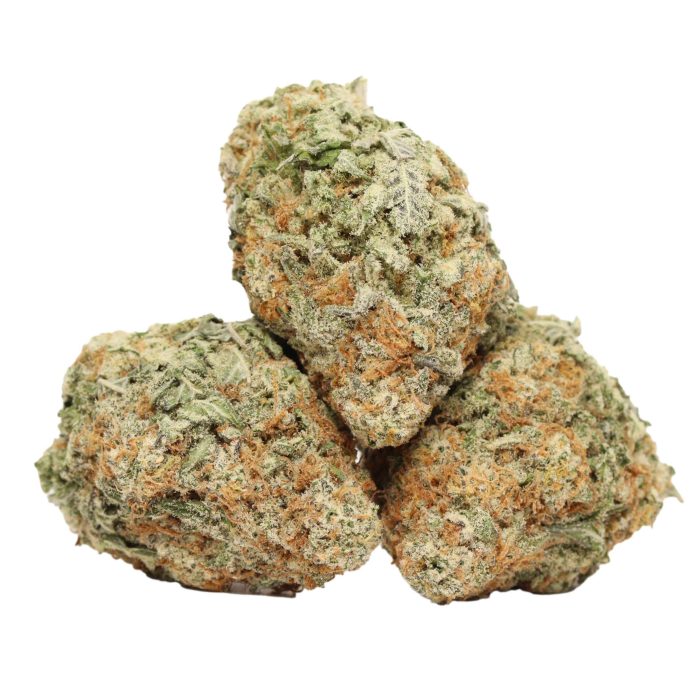
Do Si Dos Kush is a potent indica-dominant cannabis cultivar better known as Do-Si-Dos, with well-established genetics connecting Girl Scout Cookies and Face Off OG. Its strong THC profile, pungent dessert-like aroma and consumer-reported relaxation have made it a frequently discussed cultivar among people researching cannabis and discomfort.
That does not make Do Si Dos Kush a clinically proven pain medicine.
Searches for this cultivar commonly overlap with questions about the best indica for pain, weed strains for pain, pot strains for pain, best strains for anti inflammatory effects, good strains for pain, indica for pain, and indica strains for pain relief.
Current medical evidence does not identify a particular named strain—or the indica category itself—as universally best for pain.
Research instead suggests that certain standardized THC-containing cannabinoid products can produce small short-term improvements in some chronic-pain conditions, particularly neuropathic pain, while also increasing adverse effects such as dizziness, sedation and nausea.
For additional educational cannabis information, readers can explore WeedShopUSA cannabis education.
What Is Do Si Dos Kush?
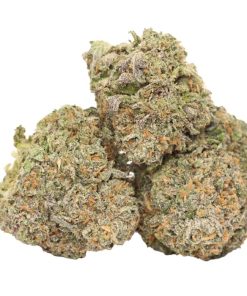
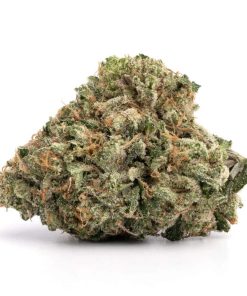
Do Si Dos Kush, usually written Do-Si-Dos, is a well-known indica-dominant hybrid.
Its commonly reported genetics are:
Girl Scout Cookies × Face Off OG
Those genetics combine dessert-oriented Cookies characteristics with strong OG influence.
Do-Si-Dos is commonly associated with:
- pungent sweetness
- lime
- mint
- earthy notes
- floral characteristics
- physical relaxation
The cultivar can be relatively high in THC.
Actual cannabinoid concentration varies by producer and batch.
Do Si Dos Kush at a Glance
| Characteristic | Do Si Dos Kush |
|---|---|
| Better-known name | Do-Si-Dos |
| Category | Indica-dominant hybrid |
| Genetics | Girl Scout Cookies × Face Off OG |
| Typical profile | Sweet, earthy, lime, mint |
| Consumer-reported effects | Relaxed, sleepy, euphoric |
| Clinically proven pain treatment? | No |
| Proven best indica for pain? | No |
| Proven anti-inflammatory strain? | No |
| Cannabinoids studied for pain? | Yes |
Do Si Dos Kush Genetics
Do-Si-Dos inherited characteristics from two famous cannabis lines.
Girl Scout Cookies
GSC is associated with:
- sweet aromas
- earthy characteristics
- high THC
- Cookies-family genetics
Face Off OG
Face Off OG contributes classic OG-associated characteristics, including:
- earth
- pine
- fuel
- strong potency
Their combination produced the recognizable Do Si Dos Kush profile.
Do Si Dos Kush THC and Potency
Do-Si-Dos is commonly considered a high-potency strain.
But THC concentration should never be assumed from the strain name alone.
Actual potency depends on:
- genetics
- phenotype
- cultivation
- harvest timing
- curing
- storage
- laboratory testing
A strain name is therefore not a standardized dose.
Do Si Dos Kush Effects
Consumer reports commonly describe Do Si Dos Kush as:
- relaxing
- sleepy
- euphoric
- physically calming
Some people may interpret those effects as helpful when experiencing discomfort.
However, perceived relaxation and clinically demonstrated analgesia are different things.
Possible adverse effects include:
- dry mouth
- dry eyes
- dizziness
- anxiety
- sedation
- impaired memory
- impaired coordination
High THC can also cause paranoia or panic in susceptible individuals.
Best Indica for Pain
There is no scientifically established best indica for pain.
Many cannabis websites produce rankings of individual indica cultivars.
Those lists are generally based on:
- consumer reviews
- dispensary descriptions
- anecdotal experiences
- historical reputation
They are rarely based on randomized clinical trials comparing named strains.
Therefore, Do-Si-Dos cannot responsibly be ranked as the medically “best” indica for pain.
Does Indica Help Pain?
Some people report that indica-labeled cannabis feels physically relaxing.
That does not establish indica as a medical treatment category.
Modern cannabis cultivars have been extensively crossbred.
Two products labeled “indica” can contain very different amounts of:
- THC
- CBD
- CBG
- minor cannabinoids
- terpenes
Their effects can therefore differ considerably.
Indica for Pain
The phrase indica for pain reflects a traditional consumer classification more than a clinical prescribing system.
In clinical research, investigators are much more interested in:
- THC dose
- CBD dose
- THC:CBD ratio
- formulation
- route of administration
- type of pain
These factors are more useful than whether a commercial package says “indica.”
Indica Strains for Pain Relief
There is insufficient evidence to establish a list of indica strains for pain relief based on clinical effectiveness.
That does not mean consumers never experience pain reduction.
Rather, it means individual experiences have not produced enough evidence to scientifically rank recreational strains.
Someone might find Do-Si-Dos relaxing while another person experiences:
- excessive sedation
- dizziness
- anxiety
- uncomfortable intoxication
Individual response matters.
Weed Strains for Pain
Searches for weed strains for pain often overlook an important question:
What type of pain?
Pain can result from very different mechanisms.
Examples include:
- neuropathic pain
- inflammatory pain
- arthritis
- muscle injury
- migraine
- cancer-related pain
- postoperative pain
- back pain
Cannabinoids may not affect all these conditions equally.
Pot Strains for Pain
Similarly, lists of pot strains for pain should not be interpreted as medical rankings.
Clinical trials usually investigate standardized cannabinoid formulations rather than comparing:
- Do-Si-Dos
- OG Kush
- Northern Lights
- GSC
- other named cultivars
Consequently, there is no strong scientific basis for declaring one of these strains superior for pain.
Good Strains for Pain
The phrase good strains for pain can be more accurately reframed as:
Which cannabinoid formulations have demonstrated benefits for particular types of chronic pain?
Recent evidence suggests that some standardized THC-containing products can produce small short-term improvements in pain.
Much of that evidence involves people experiencing neuropathic pain.
What Is Neuropathic Pain?
Neuropathic pain results from disease or damage affecting nerves.
It may feel like:
- burning
- shooting
- stabbing
- tingling
- electric shocks
- painful numbness
Examples can include neuropathy associated with:
- diabetes
- nerve injuries
- shingles
- spinal cord injury
- multiple sclerosis
Cannabinoids have received particular research attention in this area.
THC and Neuropathic Pain
Recent systematic evidence indicates that some products containing THC can produce small improvements in chronic pain severity, particularly in populations where neuropathic pain is common.
The word small matters.
Research does not show that THC completely eliminates neuropathic pain.
THC can also cause:
- dizziness
- sedation
- nausea
- cognitive impairment
- anxiety
Benefits therefore need to be weighed against harms.
Do Si Dos Kush and Neuropathic Pain
There is no established clinical trial demonstrating that Do Si Dos Kush specifically treats neuropathic pain.
It would therefore be inaccurate to say:
“Do-Si-Dos is clinically proven for neuropathy.”
A more accurate statement is:
Some standardized THC-containing cannabinoid products have demonstrated small short-term pain improvements in clinical research involving predominantly neuropathic-pain populations.
Those statements are not interchangeable.
Cannabis and Chronic Pain
Cannabis has been studied for chronic pain for many years.
Evidence varies substantially according to:
- condition
- cannabinoid
- formulation
- dose
- duration
Certain THC-containing formulations have demonstrated modest benefit.
Evidence for whole-plant cannabis remains less certain.
Long-term outcomes are also less well understood than short-term outcomes.
CBD for Chronic Pain
CBD has been heavily marketed for pain.
However, recent randomized evidence does not demonstrate consistent meaningful chronic-pain improvement from CBD alone.
This does not mean CBD has no biological activity.
It means current controlled human evidence does not justify broad claims that CBD reliably treats chronic pain.
THC vs CBD for Pain
| Product/Compound | Current Evidence |
|---|---|
| THC-containing standardized products | Small benefit in some chronic-pain trials |
| Balanced THC:CBD products | Small improvements in some studies |
| CBD alone | No consistent meaningful benefit demonstrated |
| Whole-plant cannabis | Evidence less certain |
| Do Si Dos Kush specifically | Not clinically established |
| “Indica” category | Not clinically validated as superior |
Best Strains for Anti Inflammatory Effects
There is no established list of best strains for anti inflammatory effects.
Cannabinoids can affect biological pathways associated with inflammation.
Laboratory and animal research has investigated:
- THC
- CBD
- CB1 receptors
- CB2 receptors
- immune signaling
- inflammatory mediators
However, biological activity does not establish that a particular recreational cannabis strain treats inflammatory disease in humans.
Cannabis and Inflammation
Inflammation is part of the immune system’s response to injury, infection and disease.
It plays a role in conditions such as:
- rheumatoid arthritis
- inflammatory bowel disease
- autoimmune disorders
- some forms of chronic pain
Cannabinoids interact with biological systems involved in immune regulation.
That makes cannabinoid inflammation research scientifically interesting.
But clinical effectiveness must still be demonstrated condition by condition.
Pain Relief vs Inflammation Reduction
These concepts are frequently confused.
Pain relief means someone experiences less pain.
Anti-inflammatory activity means an inflammatory process itself is reduced.
A substance could alter pain perception without meaningfully reducing underlying inflammation.
For example, THC can influence:
- pain processing
- mood
- attention
- sensory perception
Therefore, someone feeling less pain after cannabis does not automatically demonstrate that inflammation has decreased.
Do Si Dos Kush and Inflammation
There is no established clinical evidence demonstrating that Do Si Dos Kush specifically reduces inflammation in humans.
Consumer reports describing physical relaxation cannot prove an anti-inflammatory effect.
This is particularly important when discussing chronic inflammatory diseases.
Cannabis should not automatically replace established treatments for:
- rheumatoid arthritis
- inflammatory bowel disease
- autoimmune conditions
- serious inflammatory disorders
Higher THC Does Not Mean Better Pain Relief
Cannabis marketing frequently emphasizes THC percentages.
But higher THC does not automatically produce greater therapeutic benefit.
Increasing THC exposure can also increase:
- dizziness
- sedation
- anxiety
- paranoia
- cognitive impairment
- intoxication
The strongest product is therefore not automatically the best product for pain.
Terpenes and Pain
Cannabis terpenes are also frequently marketed for pain and inflammation.
Common cannabis terpenes include:
- myrcene
- limonene
- caryophyllene
- pinene
- linalool
Laboratory research has investigated several of these compounds.
However, evidence is not strong enough to establish a terpene-based ranking of cannabis strains for human pain treatment.
Caryophyllene and Inflammation
Beta-caryophyllene receives particular scientific interest because it can interact with CB2 receptors.
Preclinical research has investigated possible:
- anti-inflammatory activity
- analgesic activity
- immune effects
But preclinical findings should not be converted into claims that a caryophyllene-rich strain treats inflammatory disease.
Human clinical evidence remains the key standard.
Indica vs Sativa for Pain
There is no convincing clinical evidence demonstrating that indica is universally better than sativa for pain.
| Indica/Sativa Claim | Evidence |
|---|---|
| Indica always reduces pain | Not established |
| Sativa cannot help pain | Not established |
| Indica is medically stronger | Not established |
| THC composition matters | Yes |
| CBD composition matters | Yes |
| Dose matters | Yes |
| Individual response matters | Yes |
Modern cannabis classification increasingly emphasizes chemical composition over broad botanical marketing labels.
Do Si Dos Kush vs Other Pain Strains
There is no high-quality clinical evidence allowing Do-Si-Dos to be reliably ranked against other named cultivars for pain.
For example, research does not establish that Do-Si-Dos is medically superior to:
- OG Kush
- Northern Lights
- GSC
- Blue Dream
- Granddaddy Purple
Consumer preferences among these cultivars should not be mistaken for clinical comparisons.
For more educational cannabis and cannabinoid research, readers can explore WeedShopUSA.
Cannabis and Back Pain
Cannabis is also frequently discussed for back pain.
Back pain can result from:
- muscle strain
- nerve compression
- herniated discs
- arthritis
- spinal stenosis
- injury
Because the causes differ, there is no reason to assume one cannabis strain will address every form of back pain.
Diagnosis matters.
Cannabis and Arthritis Pain
Arthritis is another area where cannabis receives considerable attention.
Laboratory cannabinoid research includes inflammatory pathways, but clinical evidence remains insufficient to establish Do-Si-Dos or another recreational strain as a treatment for arthritis itself.
Reducing perceived pain does not necessarily mean cartilage damage or inflammation has been corrected.
Cannabis and Anxiety During Pain
Pain can contribute to anxiety.
THC may feel relaxing to some people.
For others, particularly at higher doses, THC can cause:
- anxiety
- panic
- paranoia
- racing thoughts
Someone experiencing both chronic pain and anxiety should therefore not assume a high-THC strain will improve both conditions.
Cannabis and Pain Medication
Cannabis can produce additive impairment when combined with other sedating substances.
Examples include:
- opioids
- benzodiazepines
- alcohol
- sleeping medications
- some antihistamines
People taking prescription pain medication should discuss cannabis use with their healthcare professional.
Cannabis and Driving
THC can impair:
- coordination
- judgment
- reaction time
- attention
Do not drive while impaired.
Using cannabis for symptom management does not eliminate its ability to impair driving performance.
Responsible Cannabis Pain Research
The responsible conclusion is not that cannabis has no role in pain research.
Rather, the evidence suggests:
Some cannabinoid products may provide modest benefits for selected chronic-pain patients.
At the same time:
Evidence does not establish one named strain as universally best.
That distinction allows consumers to understand the science without turning limited findings into unsupported strain marketing.
Do Si Dos Kush: Evidence vs Marketing
| Claim | Evidence-Based Assessment |
|---|---|
| Do-Si-Dos can feel relaxing | Common consumer report |
| Do-Si-Dos is proven for pain | Not established |
| Do-Si-Dos is the best indica for pain | Not established |
| THC may modestly reduce some chronic pain | Supported in some trials |
| Cannabis cures neuropathy | Not established |
| Cannabis repairs nerves | Not established |
| Do-Si-Dos treats inflammation | Not established |
| Higher THC is always better | Not established |
Educational Resources
For a federal overview of the current evidence concerning cannabis and chronic pain, review the CDC Cannabis and Chronic Pain resource.
For detailed evidence evaluating THC, CBD, THC:CBD products and chronic pain, review the AHRQ Living Systematic Review on Cannabis and Chronic Pain.
For peer-reviewed evidence from randomized clinical trials evaluating cannabis-based products for chronic pain, review the PubMed systematic review of cannabis-based products for chronic pain.
For additional U.S. cannabis education, readers can explore WeedShopUSA.
Frequently Asked Questions
1. What is Do Si Dos Kush?
Do Si Dos Kush, better known as Do-Si-Dos, is an indica-dominant hybrid created from Girl Scout Cookies and Face Off OG. It is known for strong potency and sweet, earthy and pungent characteristics.
2. What is the best indica for pain?
There is no clinically established best indica for pain. Research suggests cannabinoid composition, dose and the underlying type of pain are more meaningful than an indica label.
3. Is indica good for pain?
Some people report pain relief or physical relaxation from indica-labeled cannabis. However, clinical research does not establish the entire indica category as a standardized pain treatment.
4. What are good strains for pain?
Clinical research has not established a definitive list of good strains for pain. Certain standardized THC-containing products have produced small short-term improvements in some chronic-pain studies, especially those involving neuropathic pain.
5. What are the best strains for anti inflammatory effects?
No named cannabis strain has been clinically established as best for inflammation. Cannabinoids have anti-inflammatory effects in experimental research, but evidence for treating specific human inflammatory diseases varies and remains limited.
Where to Explore Further
Readers researching Do Si Dos Kush, indica strains, THC, chronic pain and inflammation can continue exploring weedshopusa.com alongside CDC, AHRQ and peer-reviewed medical literature.
The most important conclusions are:
Do Si Dos Kush is a cannabis cultivar, not a clinically established pain medicine.
No named indica has been proven universally best for pain.
Some standardized THC-containing cannabinoid products can produce small short-term improvements in certain chronic-pain conditions.
Much of the current pain evidence involves neuropathic pain.
CBD alone has not consistently demonstrated meaningful chronic-pain improvement in recent randomized evidence.
Pain reduction and inflammation reduction are different outcomes.
Laboratory anti-inflammatory findings do not prove that a named cannabis strain treats inflammatory disease.
Higher THC does not automatically mean greater pain relief.
Final Thoughts
Do Si Dos Kush is better known as Do-Si-Dos, a potent indica-dominant cultivar created from Girl Scout Cookies and Face Off OG.
For best indica for pain, research has not identified a universally superior indica strain.
For weed strains for pain, pot strains for pain, and good strains for pain, current clinical research supports evaluating cannabinoids, formulation, dose and pain type rather than recreational strain rankings.
For best strains for anti inflammatory effects, laboratory research into cannabinoids is promising, but there is insufficient clinical evidence to designate a particular strain as the best anti-inflammatory option.
For indica for pain and indica strains for pain relief, the indica label may describe broad consumer expectations but is not a validated medical prescribing category.
The most evidence-based conclusion is that certain cannabinoid products may provide modest short-term pain relief for some adults, particularly those with neuropathic pain, while Do Si Dos Kush itself has not been clinically established as a treatment for pain or inflammatory disease.
Be the first to review “Do Si Dos Kush”
Related products
Indica
Indica
Indica
Indica
Indica
Indica
Indica
Indica
Reviews
There are no reviews yet.