
El Chapo Kush: Cannabis for MS, Pain & Inflammation Explained
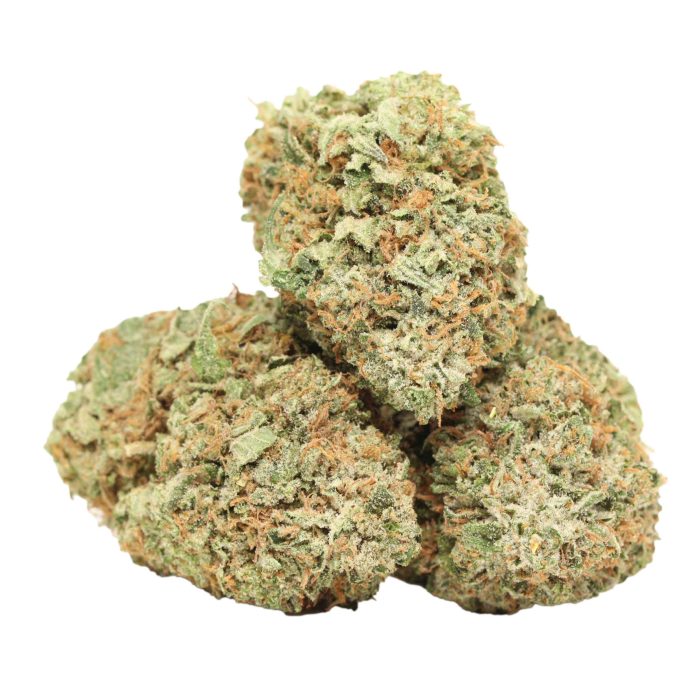
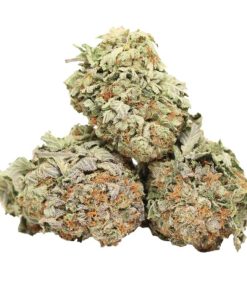
El Chapo Kush is a potent indica-dominant cannabis cultivar associated with OG Kush genetics and a strong earthy, pine and fuel-oriented profile. It is often discussed alongside relaxation and pain-related cannabis searches, but consumer experiences should not be confused with clinical evidence.
That distinction becomes especially important when people search for:
- cannabis for multiple sclerosis
- CBD for MS
- best strain for pain and inflammation
- cannabis best strain for inflammation
- best strains for pain
- best weed strains for pain
- best cannabis strain for pain
- cannabis strains for pain
Current medical evidence does not identify El Chapo Kush, or any other named recreational cannabis strain, as universally best for pain, inflammation or multiple sclerosis.
Research instead examines specific cannabinoids and standardized formulations, particularly THC, CBD and combinations of the two.
For additional educational cannabis information, readers can explore WeedShopUSA cannabis education.
What Is El Chapo Kush?
El Chapo Kush, commonly shortened to El Chapo, is generally described as an indica-dominant cannabis cultivar with strong OG characteristics.
Its commonly reported genetic background combines:
Face Off OG × SFV OG × OG Kush
This ancestry helps explain its strong Kush characteristics.
The cultivar is commonly associated with:
- earth
- pine
- fuel
- pungent aromas
- physical relaxation
As with virtually every cannabis cultivar, cannabinoid concentration can vary considerably from one batch to another.
El Chapo Kush at a Glance
| Characteristic | El Chapo Kush |
|---|---|
| Common name | El Chapo / El Chapo Kush |
| Category | Indica-dominant hybrid |
| Commonly reported genetics | Face Off OG × SFV OG × OG Kush |
| Typical profile | Earthy, pine, fuel, pungent |
| Consumer-reported character | Relaxing, heavy, calming |
| Proven MS treatment? | No |
| Proven anti-inflammatory medicine? | No |
| Clinically established best pain strain? | No |
| Cannabinoids studied for MS symptoms? | Yes |
El Chapo Kush Effects
Consumer reports commonly associate El Chapo Kush with strong relaxation.
Experiences can include:
- physical relaxation
- sleepiness
- euphoria
- altered perception of discomfort
Possible unwanted effects include:
- dry mouth
- dry eyes
- dizziness
- sedation
- anxiety
- impaired coordination
- impaired short-term memory
Individual responses can vary substantially.
These consumer experiences do not demonstrate that El Chapo Kush treats multiple sclerosis or inflammatory disease.
El Chapo Kush THC and Potency
El Chapo is generally regarded as a high-potency cannabis cultivar.
However, there is no single THC percentage guaranteed by the name El Chapo Kush.
Potency varies according to:
- phenotype
- cultivation conditions
- harvest timing
- curing
- storage
- laboratory methodology
Batch-specific laboratory results are therefore more useful than assuming every El Chapo product has identical potency.
El Chapo Kush Genetics
The commonly reported combination of Face Off OG, SFV OG and OG Kush places El Chapo Kush firmly within the broader OG genetic family.
OG-associated cultivars frequently have:
- fuel aromas
- earthy characteristics
- pine notes
- strong THC profiles
But genetics alone cannot establish medical effectiveness.
Two genetically related products can still contain different cannabinoid and terpene concentrations.
Cannabis for Multiple Sclerosis
Cannabis for multiple sclerosis has received considerably more scientific study than many strain-specific medical claims.
Multiple sclerosis, or MS, is a chronic neurological disease involving the central nervous system.
Symptoms can include:
- muscle stiffness
- spasticity
- pain
- weakness
- fatigue
- sensory changes
- mobility difficulties
- bladder problems
- cognitive symptoms
Cannabinoid research has focused primarily on symptom management.
That distinction is essential.
Cannabis has not been shown to cure MS.
Cannabis and MS Spasticity
One of the best-studied MS applications is spasticity.
Spasticity involves abnormal muscle tightness or stiffness caused by disruption of neurological signaling.
Clinical studies have investigated standardized cannabinoid preparations containing:
- THC
- CBD
- combinations of THC and CBD
Some studies have found modest improvements in patient-reported spasticity.
However, objective measurements have not always shown equally clear improvement.
What Recent MS Research Shows
Recent systematic reviews of randomized trials continue to suggest that some THC:CBD formulations may produce modest improvements in patient-reported MS spasticity.
That finding needs to be interpreted correctly.
It does not mean:
“Cannabis cures multiple sclerosis.”
It also does not mean:
“El Chapo Kush is the best strain for MS.”
The clinical studies generally examine standardized cannabinoid preparations rather than recreational strain names.
El Chapo Kush and Multiple Sclerosis
There is no established clinical evidence showing that El Chapo Kush specifically treats multiple sclerosis.
Research involving cannabinoids and MS cannot automatically be transferred to El Chapo Kush because cannabis products differ in:
- THC concentration
- CBD concentration
- minor cannabinoids
- dose
- route of administration
- pharmacokinetics
A clinical trial involving a standardized THC:CBD preparation is not equivalent to smoking an arbitrary amount of high-THC flower.
CBD for MS
CBD for MS is another area that needs careful interpretation.
CBD is a non-intoxicating cannabinoid, but it should not automatically be described as an MS treatment.
Cannabinoid studies involving multiple sclerosis frequently examine THC and CBD combinations, rather than CBD alone.
Research is particularly interested in symptoms such as:
- spasticity
- pain
- sleep disturbance
Evidence varies according to the outcome and formulation studied.
Does CBD Cure Multiple Sclerosis?
No.
There is no established evidence that CBD cures multiple sclerosis.
CBD should not be presented as something that:
- reverses MS
- repairs all neurological damage
- stops disease progression
- replaces disease-modifying therapy
MS treatment often includes disease-modifying medications intended to reduce disease activity.
Cannabinoid symptom management is a separate issue.
CBD vs THC for MS
CBD and THC are different cannabinoids.
| CBD | THC |
|---|---|
| Not intoxicating like THC | Intoxicating |
| Studied in cannabinoid combinations | Studied for spasticity and pain |
| Can interact with medications | Can impair coordination and cognition |
| Does not cure MS | Does not cure MS |
| Effects depend on formulation | Effects depend on dose |
Some standardized medical cannabinoid products use both THC and CBD rather than relying on either compound alone.
Cannabis for MS Pain
Pain associated with MS can have several causes.
Some pain is neuropathic, meaning it arises from neurological dysfunction.
Other discomfort can result from:
- spasticity
- musculoskeletal strain
- altered movement
- secondary injuries
Cannabinoids have shown modest pain improvements in some chronic-pain research, particularly involving neuropathic pain.
However, benefits tend to be small rather than dramatic.
Best Strain for Pain and Inflammation
There is currently no scientifically established best strain for pain and inflammation.
Internet lists often rank individual cannabis strains, but clinical research generally does not conduct head-to-head trials comparing recreational cultivars.
Researchers are more likely to study:
- THC concentration
- CBD concentration
- THC:CBD ratio
- standardized extracts
- oral formulations
- pharmaceutical cannabinoids
Therefore, cannabinoid composition is more clinically informative than a strain name.
Cannabis Best Strain for Inflammation
Likewise, there is no established cannabis best strain for inflammation.
Cannabinoids have demonstrated anti-inflammatory activity in laboratory and preclinical research.
But laboratory evidence is not equivalent to proving that a particular cannabis strain treats inflammatory disease in humans.
Inflammation can occur in many different conditions, including:
- rheumatoid arthritis
- inflammatory bowel disease
- infections
- autoimmune disorders
- injuries
One cannabis strain should not be presented as a universal anti-inflammatory treatment.
THC and Inflammation
THC interacts primarily with cannabinoid receptors, including CB1 and CB2.
These systems participate in:
- pain perception
- neurological signaling
- immune regulation
Laboratory research has therefore generated considerable interest in THC and inflammation.
But translating molecular effects into proven treatments requires human clinical trials.
CBD and Inflammation
CBD also interacts with multiple biological pathways involved in:
- inflammatory signaling
- pain processing
- oxidative stress
This has produced widespread claims about CBD as an anti-inflammatory product.
However, the evidence is much stronger in experimental models than for many human inflammatory diseases.
CBD should not automatically be considered a replacement for established anti-inflammatory treatment.
El Chapo Kush and Inflammation
There is no clinical evidence establishing El Chapo Kush as a specific anti-inflammatory therapy.
A consumer may perceive less discomfort after cannabis use.
That could involve:
- altered pain perception
- relaxation
- sedation
- changes in mood
Those effects do not necessarily demonstrate reduced underlying inflammation.
Pain relief and inflammation reduction are not the same outcome.
Best Strains for Pain
Searches for the best strains for pain often produce lists of indicas, sativas and hybrids.
The problem is that these rankings are usually based on:
- consumer reviews
- dispensary descriptions
- historical reputation
- anecdotal experiences
They are generally not based on randomized head-to-head clinical trials.
Therefore, they should not be interpreted as medical rankings.
Best Weed Strains for Pain
There is no clinically established list of the best weed strains for pain.
A strain that one person finds relaxing may make another person:
- anxious
- dizzy
- excessively sedated
- uncomfortable
Pain itself also differs enormously between patients.
Someone with diabetic neuropathy has a different medical condition from someone with:
- arthritis
- migraine
- cancer-related pain
- muscle strain
- sciatica
No single strain can be assumed to work equally for all of them.
Best Cannabis Strain for Pain
The phrase best cannabis strain for pain is therefore better reframed as:
Which cannabinoid formulations have evidence for particular types of pain?
Current evidence suggests some standardized THC-containing products can produce small short-term reductions in chronic pain, especially neuropathic pain.
Potential benefits must be balanced against adverse effects.
Cannabis Strains for Pain
When evaluating cannabis strains for pain, useful information includes:
- THC percentage
- CBD percentage
- THC:CBD ratio
- previous individual response
- other medications
- mental-health history
- route of administration
Strain labels such as indica and sativa are much less clinically informative than many consumers assume.
For more educational information about cannabis and cannabinoid research, readers can explore WeedShopUSA.
THC for Chronic Pain
Recent systematic evidence indicates that certain THC-containing cannabinoid products can produce small improvements in chronic pain severity.
Much of the evidence involves neuropathic pain.
Possible adverse effects include:
- dizziness
- sedation
- nausea
- cognitive impairment
- anxiety
Higher THC does not necessarily mean better pain control.
CBD Alone for Chronic Pain
CBD has become heavily marketed for pain.
However, recent controlled chronic-pain evidence has not demonstrated consistent meaningful benefit from CBD alone.
This is another reason consumers should be cautious about broad claims that CBD automatically treats pain or inflammation.
The evidence depends on:
- condition
- formulation
- dose
- outcome being measured
El Chapo Kush vs Standardized Cannabinoids
| Feature | El Chapo Kush | Clinical Cannabinoid Product |
|---|---|---|
| Named cannabis cultivar | Yes | Usually no |
| Composition standardized | Variable | Controlled |
| THC dose predictable | Not necessarily | Yes |
| CBD dose predictable | Not necessarily | Yes |
| Studied specifically for MS | No established evidence | Some formulations have been |
| Studied specifically for pain | No established evidence | Yes, some formulations |
| Proven to cure inflammation | No | No |
Why Standardization Matters
Clinical research requires consistent dosing.
Researchers need to know:
- what substance patients receive
- how much they receive
- how frequently they receive it
- how outcomes change
With recreational cannabis flower, composition can vary from batch to batch.
This makes strain-level medical claims much more difficult to establish.
Pain Relief Is Not the Same as Treating Inflammation
This distinction deserves particular attention.
A substance can reduce someone’s perception of pain without correcting the process causing the pain.
For example, cannabis may alter:
- pain signaling
- attention to pain
- mood
- muscle relaxation
None of those effects automatically proves that underlying tissue inflammation has decreased.
MS Symptom Relief Is Not Disease Modification
The same distinction applies to multiple sclerosis.
If cannabinoids reduce spasticity or pain, that represents symptom management.
Disease modification involves changing the underlying course or activity of MS.
Current cannabinoid evidence does not establish cannabis as a replacement for disease-modifying MS therapies.
Cannabis and MS Mental Effects
THC can also produce neurological and psychological effects that may be especially relevant for people with MS.
Possible effects include:
- dizziness
- impaired attention
- memory changes
- sedation
- impaired balance
MS itself can sometimes affect cognition and mobility.
Adding an intoxicating cannabinoid may therefore create additional functional risks.
Cannabis, MS and Fall Risk
Balance difficulties can occur in multiple sclerosis.
THC can also impair coordination and reaction time.
For someone already experiencing:
- muscle weakness
- spasticity
- balance problems
- dizziness
additional intoxication could increase fall risk.
Potential symptom improvement therefore needs to be weighed against potential impairment.
Cannabis and Driving
THC can impair:
- judgment
- reaction time
- coordination
- attention
People should not drive while impaired.
This remains important regardless of whether cannabis is being used recreationally or for symptom management.
Cannabis and Medication Interactions
People with MS or chronic pain may use several medications simultaneously.
Cannabinoids can potentially add to:
- sedation
- dizziness
- cognitive impairment
Medication interactions depend on the specific drugs involved.
Patients considering cannabinoid products should discuss them with the clinician managing their treatment.
El Chapo Kush and Responsible Medical Claims
The evidence does not establish that El Chapo Kush:
- cures MS
- stops MS progression
- treats all pain
- is the best cannabis strain for pain
- is the best cannabis strain for inflammation
- cures inflammatory disease
Consumer experiences can be discussed, but they should remain clearly separated from clinical evidence.
Cannabis for Pain: Evidence at a Glance
| Question | Current Evidence |
|---|---|
| Can cannabinoids help some chronic pain? | Small benefits found in some studies |
| Is evidence strongest for neuropathic pain? | Much of the evidence involves neuropathic pain |
| Can cannabinoids help MS spasticity? | Modest patient-reported improvement in some trials |
| Does CBD alone reliably treat chronic pain? | Evidence remains insufficient/inconsistent |
| Is El Chapo Kush proven for MS? | No |
| Is El Chapo Kush proven for inflammation? | No |
| Is one strain proven best for pain? | No |
| Does cannabis cure MS? | No |
Educational Resources
For authoritative information on cannabis and chronic pain, including what current evidence does and does not establish, review the CDC Cannabis and Chronic Pain resource.
For detailed evidence on cannabinoids and multiple-sclerosis symptoms, review the National Center for Complementary and Integrative Health overview of cannabis and cannabinoids.
For recent clinical evidence on cannabinoids and multiple-sclerosis spasticity, review the PubMed systematic review of randomized clinical trials.
For additional U.S. cannabis education, readers can explore WeedShopUSA.
Frequently Asked Questions
1. What is El Chapo Kush?
El Chapo Kush is an indica-dominant cannabis cultivar commonly associated with Face Off OG, SFV OG and OG Kush genetics. It is known for strong earthy, pine and fuel characteristics, although product composition varies by producer and batch.
2. Can cannabis help multiple sclerosis?
Some standardized cannabinoid preparations may provide modest relief from certain MS symptoms, particularly patient-reported spasticity. Cannabis does not cure MS or replace disease-modifying therapy.
3. Does CBD help MS?
CBD is being studied for MS symptoms, frequently alongside THC. Evidence does not establish CBD as a cure for multiple sclerosis or as a replacement for standard MS treatment.
4. What is the best cannabis strain for pain?
Research has not established a single named cannabis strain as best for pain. Evidence is more informative when products are evaluated according to cannabinoid composition, dose and the type of pain being treated.
5. What is the best strain for pain and inflammation?
No named strain has been clinically established as universally best for both pain and inflammation. Some cannabinoid formulations may modestly reduce certain chronic-pain symptoms, but symptom relief does not necessarily mean the underlying inflammation has been treated.
Where to Explore Further
Readers researching El Chapo Kush, multiple sclerosis, pain and inflammation can continue exploring weedshopusa.com alongside CDC, NCCIH and peer-reviewed clinical research.
The major evidence-based conclusions are:
El Chapo Kush is a cannabis cultivar, not an approved MS treatment.
Cannabinoids may modestly improve certain MS symptoms, particularly patient-reported spasticity.
Symptom improvement is not the same as slowing MS progression.
Cannabis does not replace disease-modifying MS therapy.
Some THC-containing formulations can produce small improvements in certain chronic-pain conditions.
CBD alone has not consistently demonstrated meaningful chronic-pain benefits.
Laboratory evidence of cannabinoid anti-inflammatory activity does not establish a particular strain as an anti-inflammatory medicine.
There is no clinically established best cannabis strain for pain or inflammation.
Final Thoughts
El Chapo Kush is an indica-dominant OG-family cultivar associated with Face Off OG, SFV OG and OG Kush genetics.
For cannabis for multiple sclerosis, clinical research suggests some standardized cannabinoid formulations may modestly improve symptoms such as spasticity.
For CBD for MS, research continues, but CBD does not cure multiple sclerosis or replace disease-modifying therapy.
For best strain for pain and inflammation and cannabis best strain for inflammation, no named recreational cultivar has been clinically established as the universal best option.
For best strains for pain, best weed strains for pain, best cannabis strain for pain, and cannabis strains for pain, current medical evidence supports evaluating cannabinoid composition and the underlying pain condition rather than relying on strain rankings.
Most importantly, research involving standardized THC or CBD preparations should not be converted into unsupported medical claims for El Chapo Kush.
Be the first to review “El Chapo Kush”
Related products
Indica
Indica
Indica
Indica
Indica
Indica
Indica
Indica
Reviews
There are no reviews yet.