
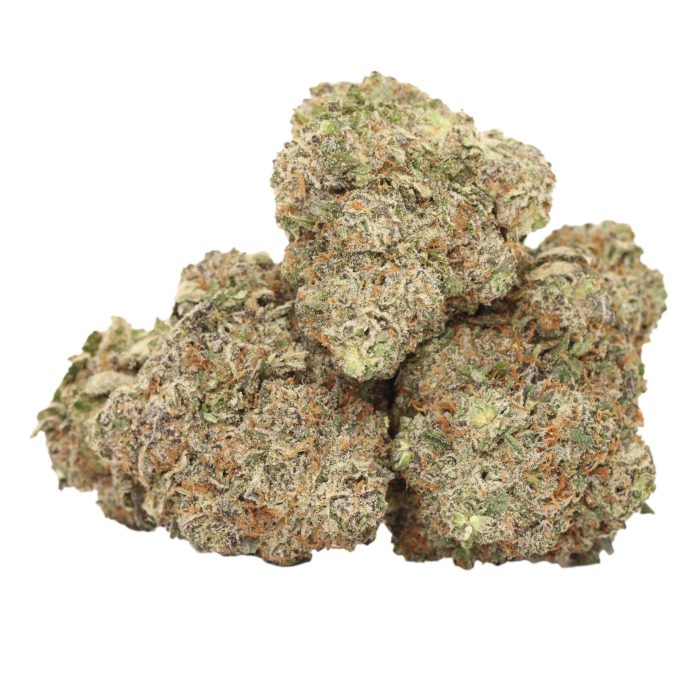
Four Star General Kush: Cannabis, Nerve Pain, Back Pain & THC Explained
Four Star General Kush is a cannabis cultivar name that appears in discussions of potent Kush-style products, relaxation and pain-related cannabis use. But questions about the best cannabis for nerve pain, the best weed strain for nerve pain, or the best strain of weed for back pain need more than a strain recommendation.
Current research does not establish one named cannabis strain as the best treatment for neuropathic pain, back pain or pain accompanied by anxiety.
Cannabinoid research is more specific.
Recent systematic reviews suggest that certain standardized THC-containing cannabinoid products can produce small short-term improvements in chronic pain, particularly neuropathic pain, while increasing adverse effects such as dizziness, sedation and nausea.
That evidence should not automatically be converted into a medical claim for Four Star General Kush or another recreational strain.
For additional educational cannabis information, readers can explore WeedShopUSA cannabis education.
What Is Four Star General Kush?
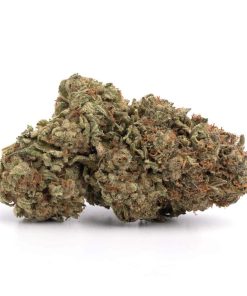
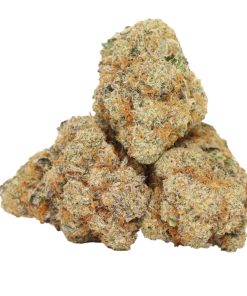
Four Star General Kush is a cannabis cultivar associated with the broader Kush and potency-oriented cannabis market.
As with many cannabis names, descriptions can differ between growers, producers and regional markets.
That matters because cannabis strain names do not guarantee:
- identical genetics
- identical THC concentration
- identical CBD concentration
- identical terpene profiles
- identical effects
When evaluating Four Star General Kush, batch-specific cannabinoid and terpene testing is more informative than relying exclusively on the name.
Four Star General Kush at a Glance
| Topic | Evidence-Based Interpretation |
|---|---|
| Four Star General Kush | Cannabis cultivar/product name |
| Best cannabis for nerve pain | No single strain clinically established |
| THC and neuropathic pain | Some evidence of small short-term benefit |
| CBD alone for chronic pain | Current evidence does not show consistent benefit |
| Cannabis for back pain | Evidence remains limited |
| Sativa for pain | Sativa label does not predict clinical effectiveness |
| Cannabis for pain and anxiety | THC can sometimes worsen anxiety |
| Whole-plant strain evidence | Insufficient to identify a best strain |
Four Star General Kush and Pain Claims
A consumer may describe Four Star General Kush as relaxing or helpful for discomfort.
That experience is legitimate as a personal report.
It is not the same as demonstrating in a randomized clinical trial that Four Star General Kush treats neuropathic pain.
Modern medical research generally investigates:
- THC
- CBD
- THC:CBD combinations
- purified cannabinoids
- synthetic cannabinoids
- standardized extracts
It rarely establishes the effectiveness of individual recreational strain names.
Does Marijuana Help With Pain?
The answer to does marijuana help with pain depends on the kind of pain and the cannabis formulation.
The strongest evidence is not equally distributed across all pain conditions.
Neuropathic pain has received substantial attention.
Neuropathic pain originates from damage or dysfunction affecting nerves.
Examples can include:
- diabetic neuropathy
- postherpetic neuralgia
- nerve injury
- spinal-cord-related neuropathic pain
- some forms of MS-related pain
Recent evidence suggests certain THC-containing cannabinoid formulations may provide small improvements for some adults with chronic pain, particularly neuropathic pain.
That is much narrower than saying marijuana is a proven treatment for every kind of pain.
Best Cannabis for Nerve Pain
There is currently no scientifically established best cannabis for nerve pain based on strain name.
Research does not support a reliable ranking such as:
- one Kush strain
- one sativa strain
- one indica strain
Instead, clinical evidence suggests that cannabinoid composition matters more than commercial strain categories.
Important variables include:
- THC concentration
- CBD concentration
- THC:CBD ratio
- formulation
- route of administration
- dose
- individual tolerance
- underlying cause of pain
Therefore, someone researching nerve pain should focus on clinical evidence rather than lists claiming one particular strain is universally best.
Best Weed Strain for Nerve Pain
The phrase best weed strain for nerve pain is common online, but clinical studies generally do not compare dozens of named strains head-to-head.
This makes claims such as “strain X is the number-one neuropathy strain” difficult to substantiate.
AHRQ’s continuing evidence review evaluates cannabinoid products according to factors such as:
- THC-to-CBD ratio
- source
- formulation
- route of administration
That is a considerably more reliable framework than recreational strain rankings.
What Is Neuropathic Pain?
Neuropathic pain occurs when the somatosensory nervous system is damaged or diseased.
People may describe it as:
- burning
- shooting
- stabbing
- electric-shock-like
- tingling
- numbness accompanied by pain
Neuropathic pain differs from ordinary muscle soreness.
Because its mechanism differs, treatments that work for one type of pain may not work equally well for neuropathic pain.
Does THC Help With Nerve Pain?
Current evidence suggests THC-containing cannabinoid products may provide small short-term reductions in neuropathic pain for some adults.
The wording matters.
It does not mean:
“THC eliminates nerve pain.”
Nor does it establish Four Star General Kush as a clinically validated neuropathy treatment.
The updated systematic evidence found that high-THC and approximately balanced THC:CBD products produced small improvements in pain severity in predominantly neuropathic-pain populations.
However, those potential benefits came with increased adverse effects.
THC Pain Benefits vs Side Effects
Potential pain improvement needs to be considered alongside possible harms.
THC-containing cannabinoid products can cause:
- dizziness
- sedation
- nausea
- impaired attention
- impaired coordination
- anxiety
- altered perception
Higher THC does not automatically mean greater therapeutic benefit.
A product that produces stronger intoxication is not necessarily a better pain treatment.
Four Star General Kush and Nerve Pain
There is no established clinical trial demonstrating that Four Star General Kush specifically treats nerve pain.
It is therefore more accurate to say:
Some cannabinoid formulations containing THC have shown small short-term benefits for predominantly neuropathic pain populations.
It is not accurate to convert that finding into:
Four Star General Kush is proven to treat neuropathy.
The first statement reflects clinical evidence. The second exceeds it.
CBD vs THC for Nerve Pain
CBD and THC should not be treated as interchangeable.
The 2025 updated systematic review found that CBD alone did not demonstrate meaningful improvement in chronic pain outcomes compared with placebo across the included trials.
Certain THC-containing formulations performed somewhat better, although benefits remained small.
| Cannabinoid Approach | Current Chronic-Pain Evidence |
|---|---|
| CBD alone | No consistent meaningful improvement |
| High-THC standardized products | Possible small pain improvement |
| Comparable THC:CBD products | Small improvement in some studies |
| Named recreational strains | Insufficient evidence |
| Four Star General Kush specifically | Not clinically established |
Does Marijuana Help With Back Pain?
Evidence for marijuana and back pain is less certain than many commercial cannabis pages imply.
Back pain can originate from very different conditions:
- muscle strain
- disc problems
- arthritis
- nerve compression
- sciatica
- spinal stenosis
- fractures
- inflammatory disease
Cannabis would not necessarily affect all these conditions in the same way.
Current evidence is much stronger for chronic pain broadly—particularly neuropathic pain—than for establishing marijuana as a specific treatment for ordinary low-back pain.
Best Strain of Weed for Back Pain
There is no clinically established best strain of weed for back pain.
A strain name alone cannot tell a person:
- why their back hurts
- whether nerves are involved
- whether structural damage exists
- whether inflammation is involved
- whether urgent medical assessment is necessary
Persistent or severe back pain should be evaluated based on its underlying cause.
Back Pain Red Flags
Some back-pain symptoms require prompt medical evaluation rather than self-treatment.
Examples include back pain accompanied by:
- new bowel or bladder dysfunction
- significant leg weakness
- numbness around the groin or saddle region
- major trauma
- unexplained fever
- unexplained weight loss
- rapidly worsening neurological symptoms
Cannabis should not delay appropriate assessment of potentially serious spinal conditions.
Sativa for Pain
The phrase sativa for pain assumes that sativa classification reliably predicts pain relief.
Clinical evidence does not support that assumption.
Traditional cannabis labels include:
- indica
- sativa
- hybrid
But modern commercial cannabis has extensive crossbreeding.
Two products both labeled “sativa” can have very different:
- THC levels
- CBD levels
- minor cannabinoids
- terpene profiles
For medical research, actual chemical composition is considerably more informative.
Is Indica Better Than Sativa for Pain?
There is no high-quality evidence demonstrating that all indicas outperform all sativas for pain.
Consumers sometimes associate:
indica with physical relaxation
and
sativa with more stimulating effects.
These are broad commercial conventions rather than reliable clinical prescribing categories.
People can respond differently even to the same product.
What Type of Marijuana Helps With Pain?
Research into what type of marijuana helps with pain suggests formulation is more important than marketing category.
In short-term studies, certain standardized products containing THC have produced small improvements in chronic pain.
Approximately balanced THC:CBD or THC-dominant formulations have shown more evidence than CBD alone.
But benefits are generally modest.
For more educational information about cannabis strains and cannabinoid research, readers can explore WeedShopUSA.
Cannabis for Pain and Anxiety
Pain and anxiety frequently occur together.
This complicates cannabis use because THC can produce very different responses.
Some people report:
- relaxation
- temporary reduction in distress
- altered perception of discomfort
Others experience:
- anxiety
- panic
- paranoia
- racing thoughts
- increased heart rate
A cannabis product that one person considers relaxing may worsen another person’s anxiety.
What Strain Is Best for Pain and Anxiety?
There is no clinically established answer to what strain is best for pain and anxiety.
This is particularly important because high-THC products can increase anxiety in susceptible individuals.
A better clinical question is whether cannabinoid therapy is appropriate for the person’s:
- type of pain
- psychiatric history
- medications
- age
- cardiovascular health
- substance-use history
- previous cannabis response
A named strain cannot answer those questions.
THC and Anxiety
THC can have dose-dependent psychological effects.
Lower exposure may feel relaxing to some people.
Higher exposure can increase the likelihood of:
- anxiety
- panic
- paranoia
- disorientation
Therefore, choosing the product with the highest THC percentage is not a scientifically sound way to identify cannabis for someone who experiences both pain and anxiety.
Cannabis and Chronic Pain Evidence
The updated evidence base deserves careful interpretation.
A 2025 systematic review included 25 short-term randomized controlled trials involving 2,303 participants, with approximately 64% of participants experiencing neuropathic pain.
Researchers found that certain high-THC or approximately balanced THC:CBD products produced small improvements in pain severity.
However, cannabinoid treatments also increased common adverse effects, particularly:
- dizziness
- sedation
- nausea
Long-term evidence remains much less certain.
Why “Small Improvement” Matters
Research terminology can easily be exaggerated in advertising.
If a study finds a statistically significant improvement, that does not automatically mean the improvement is dramatic.
The recent evidence generally describes cannabinoid pain improvements as small.
That is very different from saying cannabis:
- eliminates chronic pain
- cures neuropathy
- repairs damaged nerves
- works for everyone
None of those conclusions follows from current evidence.
Cannabis Does Not Repair Damaged Nerves
Even when cannabinoids reduce perceived neuropathic pain, symptom reduction is not the same as repairing nerve damage.
Neuropathy can result from:
- diabetes
- chemotherapy
- infections
- spinal injury
- autoimmune disorders
- vitamin deficiencies
- nerve compression
Managing the underlying cause remains important.
Alternatives Used for Neuropathic Pain
Cannabis is not the only treatment studied for neuropathic pain.
Depending on the condition, clinicians may consider treatments including:
- duloxetine
- pregabalin
- gabapentin
- certain tricyclic antidepressants
- topical lidocaine
- topical capsaicin
Treatment depends on the underlying diagnosis, other medications and patient characteristics.
Cannabis and Other Pain Medication
Combining THC with other substances that cause sedation can increase impairment.
Particular caution may be needed with:
- opioids
- benzodiazepines
- alcohol
- sleep medications
- sedating antihistamines
People using prescription medications should discuss cannabinoid use with their healthcare professional.
Four Star General Kush and Driving
THC can impair:
- reaction time
- coordination
- judgment
- attention
People should not drive or operate dangerous machinery while impaired.
Feeling accustomed to cannabis does not guarantee unimpaired driving performance.
Higher THC Does Not Mean Better Pain Relief
One of the most useful principles for consumers is:
more THC does not automatically mean more pain relief.
Increasing THC can also increase:
- dizziness
- sedation
- anxiety
- cognitive impairment
- intoxication
The goal of clinical pain management is improved function and quality of life—not maximum intoxication.
Cannabis and Pain: Evidence vs Strain Marketing
| Claim | Evidence |
|---|---|
| Cannabis can help some chronic pain | Some evidence |
| Some THC products help neuropathic pain | Small short-term benefit possible |
| Four Star General Kush is proven for neuropathy | Not established |
| One strain is best for nerve pain | Not established |
| Sativa is always best for pain | Not established |
| Indica is always best for pain | Not established |
| THC has no side effects | False |
| Higher THC means better pain relief | Not established |
| CBD alone reliably treats chronic pain | Current evidence does not support this broadly |
Responsible Cannabis and Pain Education
Cannabis pain research should be presented without turning preliminary or modest findings into strain-specific medical promises.
For Four Star General Kush, there is no clinical basis for saying the cultivar:
- cures neuropathy
- repairs nerves
- treats every form of back pain
- is the best strain for pain
- treats anxiety
- replaces established pain treatment
It is more accurate to discuss the broader cannabinoid evidence and its limitations.
Educational Resources
For a plain-language federal overview of what is currently known about marijuana and chronic pain, review the CDC Cannabis and Chronic Pain resource.
For the detailed evidence review examining THC, CBD, THC:CBD products and chronic pain—including predominantly neuropathic-pain studies—review the AHRQ Living Systematic Review on Cannabis and Chronic Pain.
For the updated peer-reviewed systematic review of 25 randomized trials and 2,303 participants, review the PubMed review of cannabis-based products for chronic pain.
For additional U.S. cannabis education, readers can explore WeedShopUSA.
Frequently Asked Questions
1. What is Four Star General Kush?
Four Star General Kush is a cannabis cultivar/product name associated with the broader Kush market. Product characteristics can vary by producer and batch, so cannabinoid testing is more informative than relying solely on the strain name.
2. What is the best cannabis for nerve pain?
Research has not established one named strain as the best cannabis for nerve pain. Certain standardized THC-containing cannabinoid formulations have produced small short-term improvements in predominantly neuropathic-pain studies, but adverse effects are also more common.
3. Does marijuana help with pain?
Cannabinoid products may modestly reduce certain forms of chronic pain for some adults. Evidence is strongest around neuropathic pain, while evidence for many other pain conditions and whole-plant cannabis remains limited.
4. Does THC help with nerve pain?
Certain THC-containing standardized products have produced small reductions in pain severity in short-term trials involving many patients with neuropathic pain. THC can also cause dizziness, sedation, nausea, anxiety and impairment.
5. What strain is best for pain and anxiety?
No particular strain has been clinically established as best for both pain and anxiety. THC may reduce perceived discomfort for some people but can worsen anxiety or paranoia in others, especially at higher doses.
Where to Explore Further
Readers researching Four Star General Kush, THC, nerve pain and chronic pain can continue exploring weedshopusa.com alongside CDC, AHRQ and peer-reviewed medical literature.
The major evidence-based points are:
No named cannabis strain has been clinically established as the best strain for nerve pain.
Certain standardized THC-containing cannabinoid products can provide small short-term improvements in predominantly neuropathic pain populations.
Potential benefits must be weighed against dizziness, sedation, nausea and impairment.
Evidence for whole-plant cannabis remains less certain than evidence for specific standardized cannabinoid formulations.
CBD alone has not consistently reduced chronic pain in recent controlled trials.
Sativa and indica labels do not reliably predict medical effectiveness.
Back pain has many possible causes, and cannabis does not address every cause.
High THC does not automatically mean better pain control.
Final Thoughts
Four Star General Kush belongs in a discussion about cannabis characteristics—not in a list of clinically proven pain medicines.
For best cannabis for nerve pain and best weed strain for nerve pain, current research does not identify a universally superior named strain.
For does marijuana help with pain, evidence suggests some cannabinoid formulations can provide small short-term benefits, particularly for neuropathic pain.
For best strain of weed for back pain, research is insufficient to designate a specific strain, and back pain should first be understood according to its cause.
For sativa for pain, the sativa label does not reliably predict clinical effectiveness.
For does THC help with nerve pain, some standardized THC-containing products have demonstrated modest benefits, but adverse effects increase as well.
For what strain is best for pain and anxiety, there is no established winner, and THC can actually worsen anxiety in susceptible individuals.
For what type of marijuana helps with pain, clinical research suggests cannabinoid composition and formulation matter considerably more than strain marketing.
The most accurate conclusion is therefore that cannabinoids may have a role in selected chronic-pain situations, but the evidence does not establish Four Star General Kush or another named strain as the universal best treatment for nerve pain, back pain or pain accompanied by anxiety.
Be the first to review “Four Star General Kush”
Related products
Indica
Indica
Indica
Indica
Indica
Indica
Indica
Reviews
There are no reviews yet.