
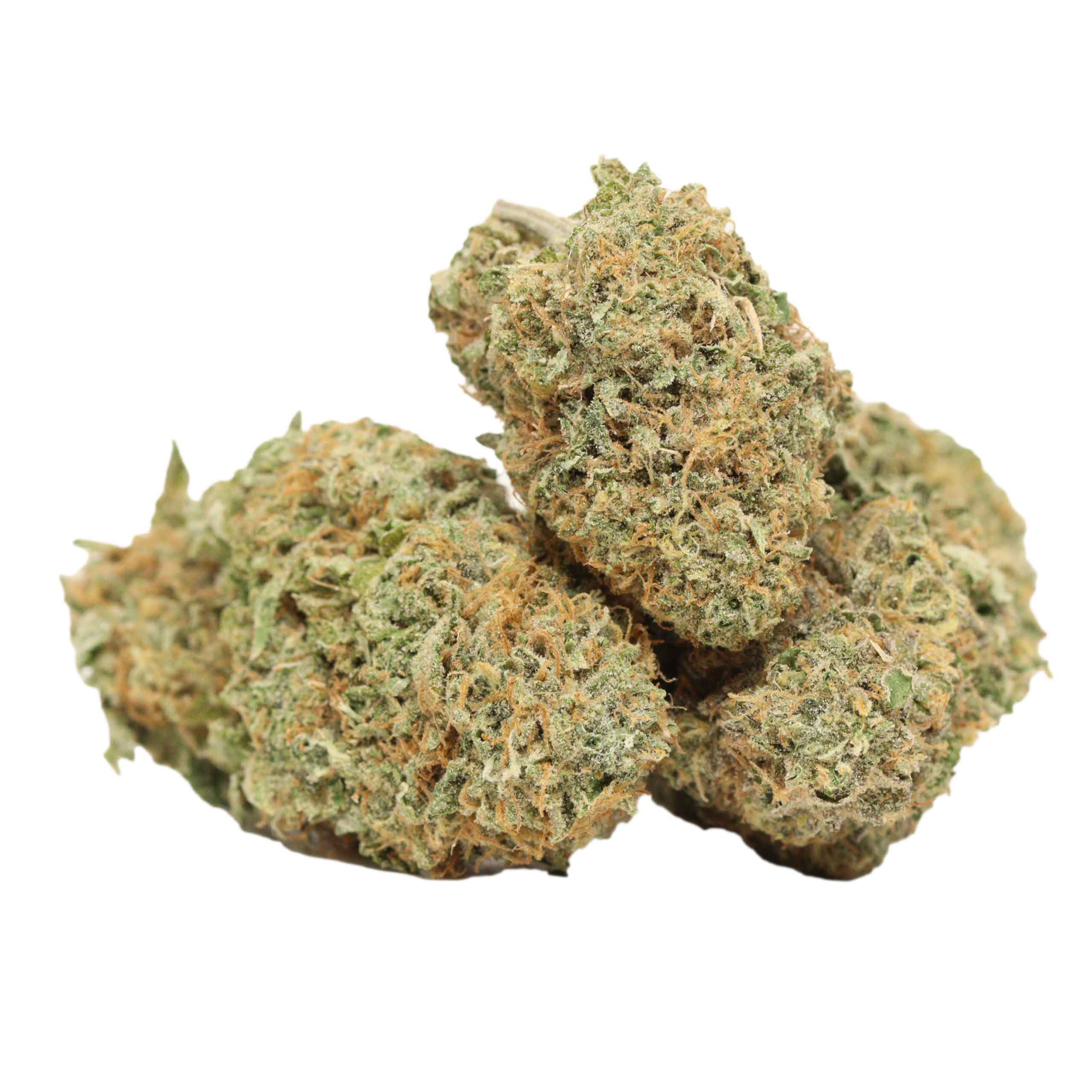
Mimosa Kush: Genetics, Effects, THC & Its Place Among Popular Sativa Strains
Mimosa Kush is a cannabis search term frequently associated with the better-documented Mimosa strain, a colorful, citrus-forward hybrid known for its Clementine × Purple Punch genetics. Since emerging in the 2010s, Mimosa has become recognizable among consumers researching sativa popular strains, famous sativa strains, top sativa cultivars, high THC sativa strains, and cannabis associated with energetic consumer experiences.
One important distinction should come first: Mimosa should not accurately be described as the purest sativa strain.
Leafly identifies Mimosa as a hybrid created from Clementine and Purple Punch. Its consumer-reported profile leans toward energetic and uplifting characteristics, which helps explain why people often group it with sativa-oriented varieties, but its genetics are hybrid. (leafly.com)
This guide examines Mimosa Kush terminology, genetics, THC, terpenes, flavors, reported effects, safety, and how Mimosa fits into discussions about popular sativa-dominant cannabis.
For additional U.S.-focused cannabis strain terminology and educational information, readers can explore weedshopusa.com.
What Is Mimosa Kush?
The widely documented strain is simply called Mimosa.
Mimosa is associated with:
Clementine × Purple Punch
Leafly credits Symbiotic Genetics with creating the strain and notes that Mimosa has grown in popularity since its emergence in 2017. (leafly.com)
The cultivar has become particularly recognizable for combining:
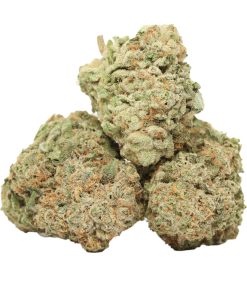
- citrus-forward aroma
- fruit characteristics
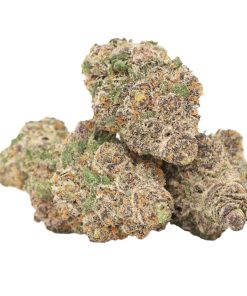
- colorful flowers
- substantial THC potential
- energetic consumer reports
The name “Mimosa” references the citrus-associated cocktail, fitting the cultivar’s orange and citrus aromatic reputation.
Products specifically labeled Mimosa Kush should nevertheless be checked for breeder and genetic information because similarly named cannabis products do not necessarily share identical genetics.
Mimosa Strain at a Glance
| Characteristic | General Description |
|---|---|
| Established name | Mimosa |
| Common search variation | Mimosa Kush |
| Genetics | Clementine × Purple Punch |
| Breeder | Symbiotic Genetics |
| Category | Hybrid |
| Representative THC | Around 20% on Leafly |
| Representative CBG | Around 1% |
| Dominant listed terpene | Myrcene |
| Other listed terpenes | Pinene, caryophyllene |
| Common effects | Energetic, focused, uplifted |
| Common flavors | Citrus, orange, grapefruit |
| Pure sativa? | No |
| Intoxicating | Yes |
| U.S. legality | Jurisdiction-dependent |
These figures describe general strain information rather than a guaranteed chemical profile for every Mimosa product.
Mimosa Genetics Explained
Understanding the parent cultivars explains why Mimosa cannot accurately be classified as a pure sativa.
Clementine
Clementine is a sativa-dominant cultivar associated with Tangie and Lemon Skunk genetics.
Its citrus-heavy characteristics contribute strongly to Mimosa’s aromatic identity.
Purple Punch
Purple Punch is an indica-oriented cultivar associated with Larry OG and Granddaddy Purple genetics.
Its contribution adds an entirely different genetic branch to Mimosa.
Combining Clementine with Purple Punch produces a hybrid rather than a genetically pure sativa.
Is Mimosa Kush a Pure Sativa Strain?
No.
This is particularly important because purest sativa strain is one of the target search phrases surrounding Mimosa.
Mimosa’s Clementine × Purple Punch ancestry means it is genetically a hybrid.
Some commercial sources describe Mimosa as sativa-dominant, while Leafly currently categorizes it broadly as a hybrid and identifies its consumer effects as mostly energizing. (leafly.com)
That makes terms such as sativa dom hybrid much more appropriate than “pure sativa.”
Pure or landrace-derived sativas represent a different cannabis discussion.
What Does “Pure Sativa” Actually Mean?
Historically, cannabis described as pure sativa generally referred to populations with relatively limited recent hybridization, often associated with particular geographic regions.
Examples commonly discussed in cannabis history include genetics associated with:
- Thailand
- Colombia
- Mexico
- parts of Africa
- parts of Southeast Asia
Modern commercial cannabis has undergone generations of selective breeding and hybridization.
Consequently, many products marketed simply as “sativa” are actually hybrids selected for characteristics consumers associate with sativa varieties.
Mimosa is a good example.
Mimosa Effects
Leafly currently identifies Mimosa’s most frequently reported effects as:
- energetic
- focused
- uplifted
These consumer reports help explain why the strain frequently appears in discussions about sativa energy. (leafly.com)
Additional experiences described by consumers can include:
- happiness
- creativity
- euphoria
- sociability
- mental stimulation
- relaxation
These effects are not guaranteed.
A consumer-reported strain profile is different from a controlled clinical trial.
What Does “Sativa Energy” Mean?
The phrase sativa energy generally describes the consumer perception that some cannabis cultivars feel mentally stimulating, uplifting or activating.
However, THC is not a conventional stimulant like caffeine.
Cannabis can affect attention, perception, reaction time and coordination even when someone subjectively feels energized.
That distinction is important.
Feeling awake does not mean someone is unimpaired.
Mimosa Flavor and Aroma
Mimosa’s citrus identity is one of its strongest distinguishing characteristics.
Leafly lists:
- citrus
- orange
- grapefruit
among its prominent flavors. (leafly.com)
Depending on the phenotype and producer, consumers may additionally identify:
- tropical fruit
- berries
- sweetness
- earth
- floral notes
The combination helps Mimosa stand out from sativa-oriented cultivars associated primarily with diesel, pine or herbal aromas.
Mimosa Terpene Profile
Leafly identifies myrcene as Mimosa’s dominant listed terpene, followed by pinene and caryophyllene. (leafly.com)
Myrcene
Myrcene contributes earthy and herbal characteristics and occurs naturally in numerous plant species.
Pinene
Pinene contributes pine-like aromatic notes.
Caryophyllene
Beta-caryophyllene is associated with peppery and spicy characteristics.
The presence of myrcene is particularly interesting because cannabis marketing sometimes portrays myrcene as automatically sedating.
Yet Mimosa consumer reports are predominantly energetic.
That discrepancy illustrates why predicting an entire cannabis experience from one terpene is unreliable.
How Much THC Does Mimosa Have?
Leafly currently provides a representative figure of approximately 20% THC, although individual products can vary considerably. (leafly.com)
Mimosa is also frequently encountered commercially at higher reported potency levels.
However, there is no universal Mimosa THC percentage.
Actual concentrations depend on:
- phenotype
- cultivation
- growing environment
- harvest timing
- processing
- curing
- storage
- laboratory methodology
Consumers should therefore use the laboratory report associated with the actual product.
Mimosa and High THC Sativa Strains
Mimosa frequently appears alongside high THC sativa strains because many commercial examples contain substantial THC while maintaining an energetic reputation.
However, high THC does not mean better cannabis.
Increasing THC exposure can also increase the probability of:
- anxiety
- dizziness
- paranoia
- uncomfortable intoxication
- impaired coordination
- short-term memory difficulties
A lower-THC product may be preferable for someone particularly sensitive to cannabis.
Therefore, THC concentration should be treated as potency information—not a quality score.
Is Mimosa a Good Sativa?
If good sativa means an established strain with recognizable genetics and a predominantly energetic consumer reputation, Mimosa can reasonably enter the conversation.
But it remains a hybrid.
People comparing sativa-oriented strains should consider several characteristics rather than simply looking for the word “sativa.”
These include:
Genetics: What are the actual parent cultivars?
Cannabinoids: How much THC and CBD does the particular batch contain?
Terpenes: What aromatic compounds are actually present?
Laboratory results: Does the product have reliable testing?
Individual preference: Does the consumer actually prefer the strain’s characteristics?
These criteria are more meaningful than a simple indica-versus-sativa label.
Mimosa vs Famous Sativa Strains
| Strain | General Classification | Common Reputation |
|---|---|---|
| Mimosa | Hybrid / often sativa-oriented | Energetic, focused |
| Durban Poison | Sativa | Energetic |
| Sour Diesel | Sativa-dominant | Cerebral, energetic |
| Jack Herer | Sativa-dominant hybrid | Energetic, creative |
| Super Lemon Haze | Sativa-dominant hybrid | Uplifting |
| Trainwreck | Hybrid with sativa reputation | Euphoric, energetic |
This comparison highlights an important point:
Many famous sativa strains are not genetically pure sativas.
Instead, they are hybrids with effects or growth characteristics historically associated with sativa cannabis.
Most Common Sativa Strains in Cannabis Culture
Several names frequently appear when consumers discuss the most common sativa strains or recognizable sativa-oriented genetics.
Examples include:
- Durban Poison
- Sour Diesel
- Jack Herer
- Super Lemon Haze
- Green Crack
- Trainwreck
- Tangie
Mimosa belongs more accurately in the sativa-dominant or energetic-hybrid conversation than among truly pure sativa genetics.
For additional comparisons between cannabis strain families, readers can explore weedshopusa.com.
What Makes a Top Sativa?
The phrase top sativa is subjective.
There is no scientifically established best sativa cultivar.
Someone interested in citrus flavor may rank Mimosa or Super Lemon Haze highly.
Someone interested in historical genetics may prefer Durban Poison.
Another consumer may value moderate THC over maximum potency.
Useful evaluation criteria include:
- documented genetics
- cannabinoid composition
- terpene profile
- cultivation quality
- freshness
- laboratory testing
- individual preference
This approach produces a more meaningful comparison than simply ranking strains by THC.
Mimosa vs Pure Sativa Genetics
| Feature | Mimosa | Traditional Pure/Landrace Sativa |
|---|---|---|
| Genetics | Clementine × Purple Punch | Regionally established genetics |
| Hybridized | Yes | Historically less hybridized |
| General reputation | Energetic | Often energetic |
| THC | Batch-dependent | Batch-dependent |
| Commercial availability | Relatively common | Often less common |
| Pure sativa | No | Potentially |
| Effects guaranteed | No | No |
The table illustrates why Mimosa can behave like consumers expect from a sativa-oriented cultivar without being genetically pure sativa.
Potential Mimosa Side Effects
THC-containing cannabis can produce adverse effects.
Leafly’s Mimosa consumer reports identify:
- dry mouth
- anxiety
- dry eyes
among commonly reported negative experiences. (leafly.com)
Cannabis can additionally cause:
- dizziness
- paranoia
- increased heart rate
- impaired judgment
- short-term memory impairment
- altered perception
- impaired coordination
- reduced reaction time
The likelihood and intensity of these effects can increase with THC exposure.
High-Potency Cannabis and Safety
Scientific evidence increasingly emphasizes the importance of cannabis potency.
A systematic review examining high-potency cannabis found associations between greater cannabis potency and several adverse outcomes, although evidence quality and strength varied by outcome.
This matters when people search specifically for high THC sativa strains.
Seeking maximum THC without considering tolerance and adverse effects can increase risk.
Potency should therefore be evaluated as a safety consideration as well as a product characteristic.
Sativa Does Not Mean Safe to Drive
Mimosa’s energetic reputation can create an important misconception.
Feeling focused or uplifted does not mean THC has stopped causing impairment.
Cannabis can affect:
- coordination
- reaction time
- attention
- judgment
- perception
Adults should not drive or operate machinery while impaired.
A “daytime strain” or energetic strain remains intoxicating if it contains substantial THC.
Why Laboratory Testing Matters
Two packages carrying the Mimosa name may have very different cannabinoid concentrations.
Product-specific testing can provide information concerning:
- total THC
- CBD
- minor cannabinoids
- terpene composition where tested
- batch identification
- required contaminant testing
Laboratory information is therefore more useful for evaluating potency than an online strain average.
Is Mimosa Kush Legal in the USA?
Cannabis legality depends on jurisdiction rather than strain name.
Mimosa is not legal nationwide simply because it is commercially popular.
States have different rules concerning:
- medical cannabis
- adult-use cannabis
- possession limits
- home cultivation
- licensed retail
- product testing
- delivery
- taxation
- public consumption
Local governments can impose additional restrictions.
Consumers should therefore verify current state and local laws before possessing or using marijuana products.
Medical vs Recreational Cannabis
Mimosa can appear in adult-use markets and medical cannabis programs where legally permitted.
This does not establish Mimosa itself as a medical treatment.
Consumer reports describing energy, focus, happiness or relaxation should not be converted into claims that the strain treats depression, ADHD, fatigue, anxiety or another medical condition.
Strain reviews and medical evidence are fundamentally different things.
Responsible Cannabis Education
People researching a top sativa, good sativa, or high-THC cannabis product should include safety in their comparison.
THC-containing cannabis can impair judgment and coordination.
Cannabis should be stored securely away from children and pets.
Driving while impaired should be avoided.
Combining cannabis with alcohol or other intoxicants can increase impairment.
People considering cannabis because of a medical problem should discuss their circumstances with an appropriate healthcare professional.
Additional strain education can be explored through weedshopusa.com.
Educational Resources
For Mimosa genetics, THC information, terpene data and consumer-reported characteristics, see Leafly’s Mimosa strain profile. Leafly identifies Mimosa as a Clementine × Purple Punch hybrid created by Symbiotic Genetics.
For current U.S. state cannabis laws, consult the National Conference of State Legislatures Cannabis Legislation Database. It provides state-level information concerning medical cannabis, adult-use policies and other regulatory developments.
For scientific research concerning cannabis potency and health outcomes, see the PubMed systematic review of high-potency cannabis.
For broader cannabis strain terminology and U.S.-focused educational information, readers can explore weedshopusa.com.
Frequently Asked Questions
1. What is the Mimosa Kush strain?
The established Mimosa strain is a Clementine × Purple Punch hybrid created by Symbiotic Genetics. Products specifically called Mimosa Kush may use different genetics, so consumers should verify breeder and product information.
2. Is Mimosa a pure sativa strain?
No. Mimosa contains Clementine and Purple Punch genetics, making it a hybrid. Its energetic consumer reputation explains why it is frequently grouped with sativa-oriented strains.
3. Is Mimosa a high-THC sativa strain?
Mimosa is technically a hybrid rather than a pure sativa. Leafly currently lists approximately 20% THC as a representative figure, although individual products can vary substantially. Batch-specific laboratory testing provides more reliable potency information.
4. What effects are associated with Mimosa?
Leafly consumers most frequently report energetic, focused and uplifted effects. Individual responses can differ considerably, and these reports should not be treated as guaranteed outcomes.
5. Is Mimosa one of the top sativa strains?
Mimosa is a popular energetic hybrid and can reasonably appear in comparisons of sativa-dominant cannabis. However, there is no scientific ranking establishing a universal top sativa, and Mimosa itself is not genetically a pure sativa.
Where to Explore Further
Readers comparing Mimosa with sativa popular strains, famous sativa strains, or other energetic hybrids can explore weedshopusa.com for additional educational strain information.
For broader explanations of cannabis genetics, sativa-dominant hybrids and popular U.S. cultivars, use weedshopusa.com alongside scientific research and current government regulatory information.
Final Thoughts
Mimosa Kush, when referring to the established Mimosa genetic family, represents an interesting example of how cannabis marketing categories and actual genetics can differ.
Mimosa’s Clementine × Purple Punch heritage makes it a hybrid, not the purest sativa strain. Yet its predominantly energetic, focused and uplifting consumer reports explain why it frequently appears alongside sativa popular strains, famous sativa strains, and discussions about sativa energy.
It can also fall within conversations about high THC sativa strains, although individual Mimosa products vary considerably in potency.
Rather than focusing exclusively on whether Mimosa qualifies as a top sativa, consumers can obtain more meaningful information from its documented genetics, laboratory cannabinoid results, terpene composition, cultivation quality and individual tolerance.
Mimosa’s popularity demonstrates that a cultivar does not need to be genetically pure sativa to develop a strong sativa-oriented reputation.
| Quantity | 3.5G, 7G, 14G, 28G |
|---|
Be the first to review “Mimosa kush”
Related products
Sativa
Sativa
Sativa
Sativa
hybrid
hybrid
hybrid
Sativa
Reviews
There are no reviews yet.