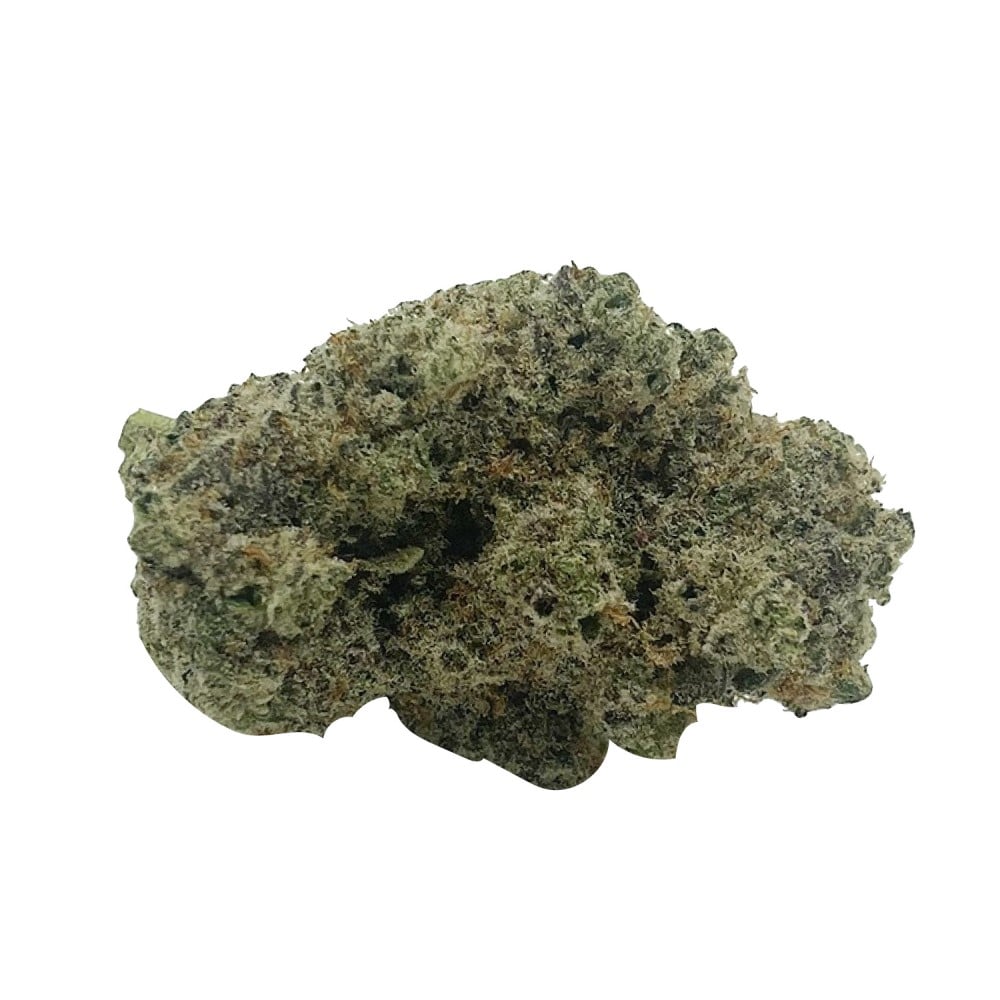
Miracle Alien Cookies(AAAA): CBD Effects, Anxiety, Safety & U.S. Laws
Miracle Alien Cookies(AAAA) provides a useful starting point for understanding CBD, hemp products, cannabinoid safety and the differences between cannabidiol and THC. Although Miracle Alien Cookies is primarily associated with THC-rich cannabis rather than CBD medicine, examining the two together helps explain what CBD actually does, whether hemp oil helps anxiety, possible CBD side effects and how CBD laws work across the United States.
CBD marketing has expanded dramatically. Consumers now encounter CBD oils, gummies, beverages, capsules and topical products advertised for relaxation, pain, sleep and general wellness.
That popularity creates reasonable questions: does CBD do anything, does CBD actually do anything, can people use hemp oil for anxiety, what are possible CBD overdose symptoms, what is the CBD meaning medical, is CBD oil addictive, and are there states where CBD is illegal?
The evidence requires more nuance than either “CBD does nothing” or “CBD helps everything.”
CBD is biologically active. There is sufficient clinical evidence for purified CBD to have an FDA-approved prescription use for specific seizure disorders.
Research into other potential applications—including anxiety—is continuing, but ordinary commercial CBD products should not automatically be described as proven treatments.
For additional U.S.-focused cannabis education, readers can explore WeedShopUSA cannabis education.
What Is Miracle Alien Cookies(AAAA)?
Miracle Alien Cookies(AAAA)—often connected with the abbreviation MAC—is associated with the broader Miracle Alien Cookies cannabis family.
Miracle Alien Cookies is commonly associated with genetics involving Alien Cookies and breeding lines connected with Colombian and Starfighter genetics. However, cannabis naming and commercial phenotypes are not perfectly standardized.
The “AAAA” designation is commercial quality terminology rather than a scientifically recognized cannabis grade.
AAAA does not independently establish:
- THC concentration
- CBD concentration
- cannabinoid purity
- contaminant status
- medical effectiveness
- genetic authenticity
Batch-specific laboratory information is much more useful.
Miracle Alien Cookies(AAAA) at a Glance
| Topic | Key Information |
|---|---|
| Name | Miracle Alien Cookies(AAAA) |
| Common abbreviation | MAC |
| Category | Cannabis cultivar/product designation |
| AAAA | Commercial terminology, not scientific grade |
| CBD | Cannabidiol |
| CBD intoxicating? | Not in the characteristic THC sense |
| Does CBD affect the body? | Yes |
| Proven prescription CBD use | Certain seizure disorders |
| CBD for anxiety | Research exists, but evidence remains limited |
| CBD excessive exposure | Adverse reactions are possible |
| CBD addiction | Purified CBD has not shown THC-like abuse potential |
| CBD legality | Federal and state rules both matter |
Miracle Alien Cookies(AAAA) and CBD Are Not the Same Thing
It is important to distinguish a cannabis cultivar from a cannabinoid.
Miracle Alien Cookies(AAAA) is a cannabis product or cultivar designation.
CBD is an individual cannabinoid called cannabidiol.
A cannabis plant can contain many cannabinoids simultaneously, including:
- THC
- CBD
- CBG
- CBC
- cannabinoid acids such as THCA and CBDA
The name of a cannabis cultivar alone does not establish its precise cannabinoid profile.
Laboratory analysis is necessary for that.
CBD Meaning Medical
For CBD meaning medical, CBD means:
cannabidiol.
Cannabidiol is a cannabinoid found in Cannabis sativa.
It is different from delta-9-tetrahydrocannabinol, commonly called THC.
Both compounds are biologically active, but their pharmacological effects differ substantially.
CBD vs THC
| Characteristic | CBD | Delta-9 THC |
|---|---|---|
| Full name | Cannabidiol | Delta-9-tetrahydrocannabinol |
| Found in cannabis | Yes | Yes |
| Classic cannabis high | No | Yes |
| Intoxicating | Generally no | Yes |
| Biologically active | Yes | Yes |
| Medication interactions possible | Yes | Yes |
| Side effects possible | Yes | Yes |
CBD should therefore not simply be described as “THC without the high.”
Its pharmacology is different.
Does CBD Do Anything?
Yes.
For does CBD do anything, cannabidiol is pharmacologically active and can affect the human body.
The clearest evidence is that purified CBD has undergone clinical trials and is an active ingredient in an FDA-approved prescription medicine.
CBD can also produce unwanted biological effects.
These include possible:
- drowsiness
- diarrhea
- appetite changes
- mood changes
- medication interactions
- liver effects
A substance capable of producing these effects is not biologically inactive.
Does CBD Actually Do Anything Medically?
For does CBD actually do anything, the answer becomes more specific when discussing medicine.
The FDA has approved a purified CBD medicine for seizures associated with conditions including:
- Lennox-Gastaut syndrome
- Dravet syndrome
- tuberous sclerosis complex
That represents an established medical application.
However, this does not prove that ordinary CBD oil treats every condition for which cannabidiol is advertised.
FDA-Approved CBD vs Store-Bought CBD
This distinction is essential.
Prescription purified CBD is standardized and manufactured as a regulated medication for defined medical indications.
A commercial CBD gummy or bottle of CBD oil is not automatically equivalent.
Many consumer CBD products have not been evaluated by the FDA for treating diseases.
A health claim appearing on a commercial website is therefore not equivalent to clinical evidence.
Does CBD Make You High?
CBD by itself does not produce the characteristic intoxication associated with delta-9 THC.
The CDC describes CBD as non-impairing and states that it does not cause a high.
However, a product labeled CBD may potentially contain THC.
That can happen because of:
- product formulation
- inaccurate labeling
- contamination
- full-spectrum cannabinoid content
Product composition matters.
Miracle Alien Cookies(AAAA) vs CBD Effects
A consumer should not assume that the effects associated with Miracle Alien Cookies(AAAA) represent the effects of purified CBD.
THC-rich cannabis can produce intoxication and impair:
- reaction time
- attention
- memory
- coordination
- judgment
Purified CBD does not produce the same characteristic high.
This distinction is particularly important when reading cannabis reviews or consumer anecdotes.
Hemp Oil for Anxiety
The phrase hemp oil for anxiety requires two clarifications.
First, “hemp oil” can describe different products.
Hemp seed oil is produced primarily from hemp seeds and ordinarily is not equivalent to CBD oil.
Hemp-derived CBD oil contains cannabidiol extracted from qualifying hemp material.
Second, CBD should not automatically be described as an established treatment for anxiety disorders.
CBD and Anxiety Research
CBD has been investigated for anxiety.
Some small human studies have produced potentially encouraging findings.
Research has examined CBD during experimentally stressful situations, including simulated public speaking.
However, the evidence base remains limited.
The National Center for Complementary and Integrative Health notes that only a relatively small amount of human evidence suggests cannabis or cannabinoids might help reduce anxiety.
That is very different from establishing ordinary CBD oil as a proven treatment for anxiety disorders.
Hemp Seed Oil vs CBD Oil
| Product | Primary Source | Meaningful CBD Expected? |
|---|---|---|
| Hemp seed oil | Hemp seeds | Usually little or none |
| CBD oil | Cannabinoid-containing hemp/cannabis extract | Yes |
| Full-spectrum CBD oil | Hemp extract with multiple compounds | Yes |
| CBD isolate oil | Purified CBD added to carrier oil | Yes |
Someone searching for hemp oil for anxiety should first determine what “hemp oil” means on the product label.
Can CBD Reduce Anxiety?
Research has produced preliminary signals, but there is not enough evidence to claim that consumer CBD reliably treats anxiety disorders.
Important uncertainties include:
- effective dose
- treatment duration
- long-term safety
- differences between anxiety disorders
- interactions with medications
- commercial product accuracy
People experiencing persistent or severe anxiety should not delay established medical care because of unproven CBD marketing claims.
CBD Effects Are Dose Dependent
CBD does not necessarily produce identical effects at every dose.
Clinical studies can use CBD amounts very different from those found in ordinary consumer gummies or oils.
That creates another problem when translating research into marketing.
A study involving a defined purified CBD dose cannot automatically validate an unknown commercial formulation.
CBD Overdose Symptoms
The phrase CBD overdose symptoms needs careful interpretation.
There is no simple consumer dose at which CBD universally becomes an overdose.
However, excessive CBD exposure can produce adverse effects, and concentrated products can create safety concerns.
Possible concerning effects include:
- pronounced sleepiness
- gastrointestinal symptoms
- vomiting
- changes in alertness
- medication-related complications
Liver injury is another recognized CBD concern, although it may initially be identified through laboratory testing rather than obvious symptoms.
When Cannabinoid Symptoms Require Medical Attention
Severe symptoms following CBD or another cannabinoid product require appropriate medical attention.
Warning signs can include:
- extreme drowsiness
- difficulty remaining conscious
- breathing problems
- severe or persistent vomiting
- seizures
- other serious neurological symptoms
In the United States, Poison Control is available at 1-800-222-1222.
Call 911 for an immediate life-threatening emergency.
Could a CBD Overdose Actually Involve THC?
Potentially.
CDC warns that products marketed as hemp or CBD can sometimes contain THC or other unexpected ingredients.
A person experiencing strong intoxication after believing they consumed CBD may therefore have been exposed to THC.
This possibility demonstrates why accurate cannabinoid testing matters.
CBD and Liver Effects
FDA identifies liver injury as a potential CBD risk.
Importantly, liver effects can occur before a person notices obvious symptoms.
Possible warning signs can eventually include:
- nausea
- unusual fatigue
- loss of appetite
- dark urine
- jaundice
- abdominal discomfort
CBD safety therefore cannot be judged simply by whether someone feels intoxicated.
CBD and Medication Interactions
CBD can alter how the body processes certain medications.
This can potentially change drug concentrations.
Interactions can affect:
- effectiveness
- side effects
- toxicity
People taking prescription medications should discuss CBD use with a qualified healthcare professional or pharmacist familiar with their medication list.
CBD and Sedating Substances
CBD can cause sleepiness.
Combining CBD with alcohol or other substances that depress the central nervous system may increase sedation.
“CBD doesn’t get you high” therefore does not mean “CBD cannot affect alertness.”
Is CBD Oil Addictive?
For is CBD oil addictive, purified CBD has not demonstrated the same classic abuse and dependence pattern associated with THC-rich cannabis.
CBD does not produce the reinforcing intoxicating high characteristic of delta-9 THC.
However, a commercial product labeled “CBD oil” may contain other cannabinoids.
Discussing dependence therefore requires knowing what is actually in the product.
Miracle Alien Cookies(AAAA) and Cannabis Dependence
This distinction is particularly important when comparing CBD with Miracle Alien Cookies(AAAA).
CBD and THC-rich cannabis do not have identical dependence profiles.
Cannabis use disorder is primarily associated with repeated use of THC-containing cannabis.
Someone researching the addiction potential of CBD should therefore not automatically apply evidence about high-THC marijuana to purified cannabidiol.
CBD vs Cannabis Use Disorder
Cannabis use disorder is associated primarily with repeated THC-containing cannabis use.
CBD has a different pharmacological profile.
A CBD product containing meaningful THC could consequently present different considerations from purified CBD.
Product composition matters.
Does CBD Cause Withdrawal?
Available evidence has not established a classic purified-CBD withdrawal syndrome comparable with cannabis withdrawal following regular THC-rich cannabis use.
Again, product composition is important.
Stopping a full-spectrum product containing meaningful THC is not necessarily equivalent to stopping purified CBD.
CBD Is Not Risk-Free
Three statements can simultaneously be true:
CBD does not produce the classic THC high.
Purified CBD does not show the same classic abuse potential as THC-rich cannabis.
CBD can still cause clinically meaningful adverse effects.
These statements are not contradictory.
States Where CBD Is Illegal
For states where CBD is illegal, a permanent one-line list can be misleading because CBD regulations change and product categories are treated differently.
CBD regulation can depend on:
- source
- THC concentration
- product type
- intended use
- food rules
- age restrictions
- state controlled-substance law
- manufacturing requirements
CDC notes that states can impose requirements beyond the federal hemp framework.
Therefore, saying “CBD is legal everywhere” is too broad.
Why State CBD Laws Are Complicated
A state may permit one CBD product while restricting another.
Rules can differ for:
- CBD oils
- CBD gummies
- CBD foods
- CBD beverages
- smokable hemp
- inhalable cannabinoid products
- products containing measurable THC
States may also regulate manufacturing, testing and retail separately.
Federal CBD Law Can Change
Federal cannabinoid law continues to evolve.
This makes current government sources more reliable than old CBD legality maps.
Readers should verify both:
current federal rules
and
the rules of the relevant state
before assuming a specific CBD product is lawful.
Hemp-Derived CBD and Federal Law
Hemp-derived CBD can fall outside federal marijuana controlled-substance restrictions when it satisfies the applicable federal hemp definition.
However, this does not automatically make every finished CBD product lawful for every use.
FDA requirements can separately apply to:
- foods
- drugs
- dietary supplements
- therapeutic claims
- cosmetics
- other regulated products
This distinction is frequently lost in simplified explanations of CBD law.
CBD Foods and Supplements
The legal treatment of CBD foods and supplements involves FDA requirements separate from the Controlled Substances Act.
Therefore:
A cannabinoid being derived from hemp does not automatically mean every possible consumer product containing that cannabinoid can be legally marketed in every manner.
State requirements add another layer.
State Laws Can Be More Restrictive
Federal hemp status does not prevent states from establishing additional requirements.
State rules can regulate:
- cannabinoid concentrations
- product testing
- labeling
- age restrictions
- packaging
- food products
- retail channels
Checking the current state regulator is preferable to relying on an outdated “CBD legal states” list.
Miracle Alien Cookies(AAAA) Does Not Mean High CBD
The name Miracle Alien Cookies(AAAA) does not establish high CBD content.
Likewise, “AAAA” does not scientifically establish:
- CBD percentage
- THC percentage
- medical effects
- potency
- purity
It is commercial terminology.
Laboratory testing provides more meaningful cannabinoid information.
Does High THC Mean High CBD?
No.
THC and CBD concentrations are separate characteristics.
Cannabis products can be:
- THC dominant
- CBD dominant
- relatively balanced
- low in both
One cannabinoid concentration cannot reliably be predicted from another.
CBD Product Quality Matters
CDC warns that products marketed as hemp or CBD may contain unexpected substances, including:
- THC
- pesticides
- heavy metals
- bacteria
- fungi
Commercial CBD labels should therefore not automatically be treated as laboratory verification.
Why CBD Marketing Can Be Misleading
CBD’s popularity has produced claims involving:
- anxiety
- sleep
- pain
- inflammation
- mood
- general wellness
The evidence is not equally strong for all these uses.
A useful distinction is:
Commercial availability is not the same thing as clinical proof.
CBD and Children
CBD products should be stored securely away from children.
Gummies are particularly important because they can resemble ordinary candy.
Unexpected cannabinoid exposure can require medical evaluation.
CBD During Pregnancy
Federal health agencies advise caution regarding CBD during pregnancy and breastfeeding.
Potential developmental effects remain incompletely understood.
Product-composition problems can also create unintended exposure to THC or contaminants.
Responsible CBD Education
The question does CBD actually do anything deserves neither exaggerated marketing nor dismissal.
Current evidence supports several important conclusions:
CBD is biologically active.
CBD generally does not cause the characteristic THC high.
Purified CBD has established prescription uses for certain seizure disorders.
Research into anxiety and other possible applications continues.
Many commercial health claims remain insufficiently proven.
CBD can cause adverse effects.
CBD can interact with medications.
Product composition can be unreliable.
For additional cannabinoid education, readers can explore WeedShopUSA.
Educational Resources
For federal public-health information about CBD effects, safety, unexpected THC and other concerns, review the CDC CBD information center.
For scientific information about CBD research, anxiety and cannabinoid safety, review the National Center for Complementary and Integrative Health cannabis and cannabinoids overview.
For federal information about CBD safety, liver effects, medication interactions and unproven medical claims, review the FDA CBD consumer guidance.
For additional U.S.-focused cannabis education, readers can explore WeedShopUSA.
Frequently Asked Questions
1. Does Miracle Alien Cookies(AAAA) contain CBD?
Miracle Alien Cookies(AAAA) is a cannabis cultivar/product designation rather than a guarantee of a particular CBD concentration. Actual THC, CBD and other cannabinoid levels depend on the specific product and batch. Laboratory testing is required for reliable cannabinoid information.
2. Does CBD actually do anything?
Yes. CBD is biologically active. Purified CBD is an FDA-approved active ingredient for certain seizure disorders, and CBD can also cause side effects and medication interactions. Evidence for many other advertised consumer uses remains limited.
3. Does hemp oil help with anxiety?
If “hemp oil” means CBD-containing hemp extract, preliminary research has investigated CBD for anxiety, but evidence remains insufficient to describe ordinary CBD oil as a proven anxiety treatment. Hemp seed oil is different and generally contains little or no CBD.
4. What are CBD overdose symptoms?
There is no single universal consumer CBD overdose threshold. Excessive exposure can be associated with pronounced drowsiness, gastrointestinal symptoms and changes in alertness. Serious symptoms require medical attention, particularly because mislabeled products may contain THC or other substances.
5. Is CBD oil addictive?
Purified CBD has not demonstrated the classic intoxicating abuse and dependence profile associated with THC-rich cannabis. However, commercial CBD oils can contain other cannabinoids, making actual product composition important.
Where to Explore Further
Readers researching Miracle Alien Cookies(AAAA) and CBD can continue exploring weedshopusa.com alongside current federal health and regulatory resources.
The important points are:
CBD means cannabidiol.
CBD is biologically active.
CBD does not produce the characteristic THC high.
Purified prescription CBD has established medical uses for specific seizure disorders.
That does not validate every commercial CBD health claim.
Research into CBD for anxiety remains limited.
Hemp seed oil and CBD oil are different products.
CBD can cause drowsiness and gastrointestinal effects.
CBD can interact with medications.
CBD can affect the liver.
Purified CBD does not show the classic THC-like abuse profile.
Commercial CBD products can contain unexpected THC or contaminants.
CBD laws differ among states and product categories.
Final Thoughts on Miracle Alien Cookies(AAAA)
Miracle Alien Cookies(AAAA) demonstrates why cannabis cultivar terminology should remain separate from CBD health claims.
The exact focus keyphrase Miracle Alien Cookies(AAAA) identifies a cannabis product or cultivar designation. It does not mean CBD, and the AAAA label does not scientifically establish CBD or THC concentration.
For does CBD do anything and does CBD actually do anything, cannabidiol is biologically active. An FDA-approved purified CBD medicine for specific seizure disorders demonstrates genuine pharmacological activity.
That does not mean every advertised CBD benefit has been clinically established.
For hemp oil for anxiety, small studies provide preliminary evidence concerning CBD, but current research does not justify describing ordinary hemp-derived CBD oils as universally effective anxiety treatments.
For CBD overdose symptoms, excessive exposure can produce adverse effects, while mislabeled products can complicate matters by exposing consumers to THC or other substances unexpectedly.
For CBD meaning medical, CBD means cannabidiol.
For is CBD oil addictive, purified CBD does not have the classic intoxicating and dependence profile associated with THC-rich cannabis, although commercial product composition remains important.
Finally, for states where CBD is illegal, U.S. law is too product-specific and changeable for a permanent simple list. Federal hemp status, state rules, THC concentration and product format can all affect legality.
For that reason, Miracle Alien Cookies(AAAA) and CBD should be discussed separately: one is a cannabis cultivar/product designation, while the other is a specific cannabinoid.
| Quantity | 1/4 oz (7g), 1/2 oz (14g), 1 oz (28g) |
|---|
Be the first to review “Miracle Alien Cookies(AAAA)”
Related products
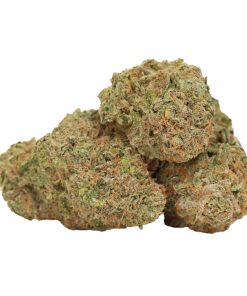
hybrid
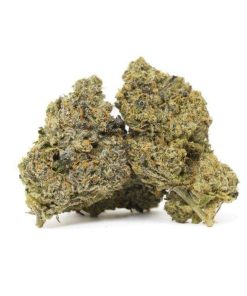
hybrid
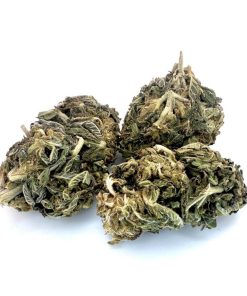
hybrid
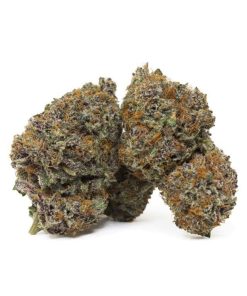
hybrid
hybrid
hybrid
hybrid
hybrid
Reviews
There are no reviews yet.