
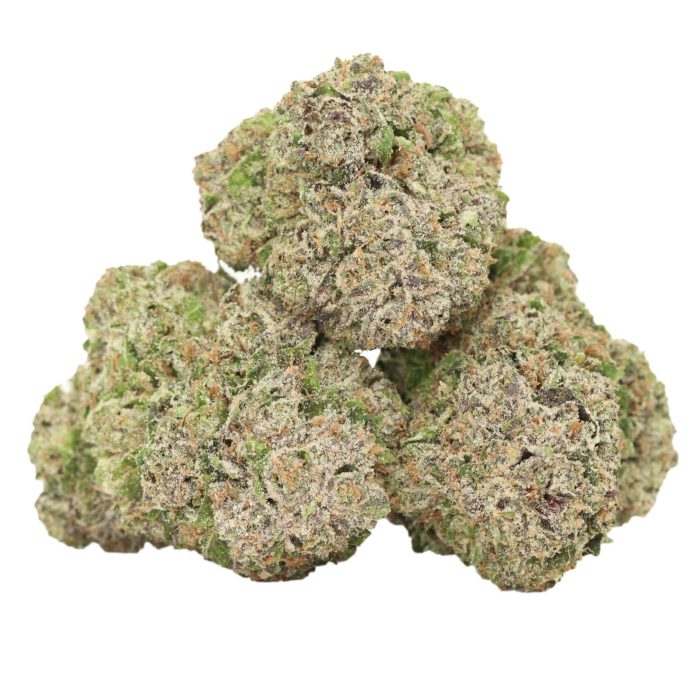
Pink Gas Kush AAAA+: Genetics, THC, Effects & What Cannabis Can—and Cannot—Do for Cancer
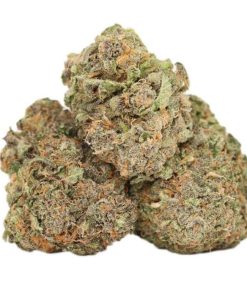
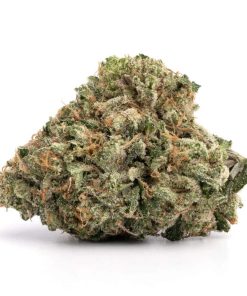
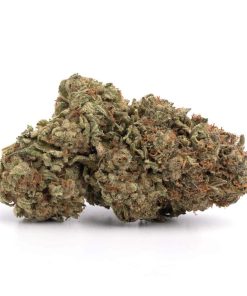
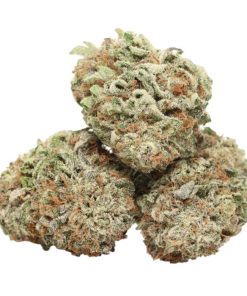
Pink Gas Kush AAAA+ is a commercial cannabis flower designation associated with the broader Pink Gas and Kush family. Current strain databases commonly describe Pink Gas as a potent hybrid with a calming profile, substantial THC, diesel-forward aroma, berry notes and Kush-style pungency.
However, cannabis naming is not perfectly standardized.
Some Pink Gas products are described as descendants of Bubba Kush and Pink Kush genetics, while other medical-cannabis records document different Kush-family crosses under the Pink Gas name.
That means the most accurate way to discuss Pink Gas Kush AAAA+ is to treat its exact genetics as producer-dependent unless the breeder provides documented lineage.
The “AAAA+” portion of the name also requires context. AAAA+ is a commercial cannabis-quality label rather than an official U.S. federal scientific grade.
This strain also provides an important opportunity to answer several highly searched medical questions:
What does cannabis cure?
Can dagga cure cancer?
Do weed cure cancer?
Can pot cure cancer?
Does CBD oil cure cancer?
What does THC cancer research actually show?
The evidence-based answer must distinguish between cancer treatment and symptom management.
Cannabis and cannabinoids may help certain cancer-related symptoms in some patients, but current clinical evidence does not establish cannabis, marijuana, THC, CBD oil or Pink Gas Kush as a cure for cancer.
For additional U.S.-focused cannabis education, readers can explore weedshopusa.com.
What Is Pink Gas Kush AAAA+?
Pink Gas Kush AAAA+ belongs to the broader Pink Gas and Kush-oriented cannabis family.
Current Pink Gas strain information commonly describes:
- high THC
- calming effects
- relaxation
- euphoria
- increased appetite
- diesel aroma
- berry characteristics
- pungent Kush notes
Leafly currently lists Pink Gas around 23% THC and approximately 1% CBG, with myrcene as the dominant reported terpene.
But actual product chemistry varies.
Pink Gas Kush AAAA+ at a Glance
| Characteristic | Pink Gas Kush AAAA+ |
|---|---|
| General category | Hybrid / often indica-oriented |
| Genetic family | Pink Kush, Bubba/Kush-associated |
| Exact genetics | Producer-dependent |
| Representative THC | About 20–27% in some current records |
| CBG | Around 1% in some strain data |
| Common terpenes | Myrcene, pinene, caryophyllene |
| Common flavors | Diesel, berry, earthy, gas, sweet |
| Common effects | Relaxed, euphoric, hungry |
| AAAA+ | Commercial quality designation |
| Proven cancer cure? | No |
| FDA-approved cancer treatment? | No |
Batch-specific laboratory results are more reliable than a permanent strain-wide THC number.
Pink Gas Kush Genetics Explained
The genetics associated with Pink Gas Kush AAAA+ vary across producers.
One commonly documented commercial version describes Pink Gas as:
Bubba Kush × Pink Kush variant
Other records connect Pink Gas with different Kush-family combinations.
This inconsistency is not unusual.
Cannabis strains can have:
- reused commercial names
- different breeder lines
- selected phenotypes
- renamed clones
- regional versions
Therefore, the strain name alone does not guarantee identical DNA.
Pink Kush Influence
Pink Kush is one of the better-known Kush-family cultivars.
It is associated with:
- sweetness
- floral aroma
- Kush earthiness
- relaxation
- sleepiness
- appetite
Pink Kush itself is closely connected commercially with the OG Kush family.
Its influence helps explain many of the aroma and effect descriptions associated with Pink Gas.
Bubba Kush Influence
Bubba Kush is another heavily indica-oriented Kush cultivar.
It is commonly associated with:
- earthy flavors
- coffee notes
- heaviness
- relaxation
When a Pink Gas producer identifies Bubba Kush ancestry, those characteristics fit the strain’s overall profile.
What Does AAAA+ Mean?
AAAA+ is commonly used in cannabis marketing to suggest premium-grade flower.
It may imply emphasis on:
- trichome coverage
- aroma
- flower structure
- curing
- moisture
- appearance
- trim quality
But AAAA+ is not an FDA or USDA cannabis grade.
It does not guarantee:
- a particular THC concentration
- medical effectiveness
- genetic authenticity
- zero contamination
- superior health benefits
Consumers should interpret it as a commercial descriptor.
Pink Gas Kush AAAA+ THC
Some current Pink Gas listings report THC concentrations in approximately the 20–27% range, while other commercial batches may differ.
A high THC number is not automatically universal to Pink Gas Kush AAAA+.
Cannabinoid concentrations can change due to:
- phenotype
- lighting
- nutrients
- harvest timing
- curing
- storage
- laboratory methodology
The actual certificate of analysis for a regulated batch is more informative.
Pink Gas Kush AAAA+ Terpenes
Current strain databases commonly associate Pink Gas with:
Myrcene
Often connected with earthy and herbal aromas.
Pinene
Usually associated with pine-like characteristics.
Caryophyllene
Associated with pepper, spice and earthy notes.
Other batches may contain meaningful limonene and additional aromatic compounds.
Terpenes contribute to aroma but do not prove a medical effect.
Pink Gas Kush AAAA+ Effects
Consumer reports commonly associate Pink Gas Kush AAAA+ with:
- relaxation
- euphoria
- hunger
- physical heaviness
- sleepiness
Possible THC-related unwanted effects include:
- dry mouth
- dry eyes
- dizziness
- anxiety
- impaired short-term memory
- impaired coordination
- altered judgment
These descriptions come from consumer experience rather than randomized clinical trials.
Higher THC Does Not Mean Better Cannabis
High THC is often used in cannabis marketing as a quality signal.
That is misleading.
Cannabis quality can also depend on:
- freshness
- genetics
- terpene preservation
- curing
- moisture
- contaminant testing
- storage
A 27% THC flower is not automatically “better” than a 20% THC flower.
Likewise, higher THC does not mean stronger medical benefit.
What Does Cannabis Cure?
The question what does cannabis cure needs a very clear answer:
Cannabis itself has not been established as a cure for cancer or other major diseases.
Cannabinoids can have legitimate therapeutic applications.
But there is an important difference between:
reducing symptoms
and
curing the underlying disease.
For example, a cannabinoid medicine may reduce nausea caused by chemotherapy.
That does not mean it eliminated the cancer.
Cannabis Treatment vs Cancer Cure
Consider this distinction:
| Claim | Evidence Status |
|---|---|
| Cannabis cures cancer | Not established |
| THC cures cancer | Not established |
| CBD oil cures cancer | Not established |
| Cannabinoids can help some cancer symptoms | Supported in specific contexts |
| THC-related medicines can reduce chemotherapy nausea | Established for approved medicines |
| Cannabinoids show anticancer activity in laboratory studies | Yes, but this does not prove a human cure |
| Pink Gas Kush cures cancer | No clinical evidence |
This distinction is essential for accurate cannabis education.
Can Dagga Cure Cancer?
“Dagga” is a common Southern African term for cannabis.
Therefore, the question can dagga cure cancer is effectively the same as asking whether marijuana cures cancer.
Current medical evidence does not establish cannabis as a cancer cure.
Laboratory experiments have found that cannabinoids can affect certain cancer cells under experimental conditions.
Researchers have also produced interesting animal findings.
However:
cells in a laboratory are not the same as human patients.
Thousands of compounds show interesting effects in laboratory cancer experiments without becoming successful human cancer treatments.
Why Laboratory Cancer Research Can Be Misleading Online
Cannabis-cancer claims often begin with legitimate laboratory research.
Scientists may expose cancer cells to:
- THC
- CBD
- another cannabinoid
and observe changes in:
- cell growth
- apoptosis
- signaling
- tumor development
These experiments help researchers understand mechanisms.
But they cannot establish that smoking cannabis or taking CBD oil cures cancer in people.
Human clinical trials are required.
Do Weed Cure Cancer?
No reliable clinical evidence establishes marijuana as a cure for cancer.
The grammar may vary—“do weed cure cancer,” “does weed cure cancer,” or “can weed cure cancer”—but the evidence-based answer remains the same.
Cannabis has been studied much more extensively for supportive cancer care than for eliminating tumors.
Potential supportive applications include:
- nausea
- vomiting
- appetite
- pain
- anxiety
- sleep
Even here, evidence strength varies by symptom and cannabinoid formulation.
What Does the National Cancer Institute Say?
The National Cancer Institute explains that cannabinoids have been studied for relief of:
- pain
- nausea
- vomiting
- anxiety
- appetite loss
associated with cancer or cancer treatment.
It also states that cannabis and cannabinoids have not been approved by FDA as cancer treatment.
This is an important distinction.
Can Pot Cure Cancer?
Current clinical evidence says no.
“Pot,” “weed,” “marijuana,” “dagga” and “cannabis” are different common terms for cannabis.
Changing the terminology does not change the evidence.
Cannabis can potentially play a role in symptom management for some cancer patients, but that does not establish it as an antineoplastic treatment capable of curing cancer.
THC Cancer Research
THC cancer research is scientifically interesting.
THC is delta-9-tetrahydrocannabinol, the primary intoxicating cannabinoid in marijuana.
Researchers have investigated THC in:
- cell cultures
- animal models
- limited human research
- supportive cancer care
Some preclinical studies suggest THC can influence biological pathways involved in tumor-cell growth.
But these results cannot be directly translated into:
THC cures cancer.
Human THC Cancer Studies Are Limited
The National Cancer Institute describes human anticancer studies as limited.
An early pilot investigation used THC directly in patients with recurrent glioblastoma.
It did not establish meaningful clinical benefit sufficient to prove THC as a cancer therapy.
Another small study investigated a THC/CBD-based formulation alongside temozolomide for recurrent glioblastoma.
Interesting findings were reported, but the study was small and cannot establish cannabinoids as a standard cancer treatment.
More rigorous trials are necessary.
THC vs Chemotherapy
THC should not be portrayed as a substitute for evidence-based oncology treatment.
Depending on the cancer, established treatments may include:
- surgery
- chemotherapy
- immunotherapy
- radiation therapy
- targeted therapy
- hormone therapy
Specific treatment depends on the exact cancer diagnosis.
Someone receiving cancer treatment should not stop prescribed therapy because of claims that cannabis can replace it.
Cannabinoids and Chemotherapy Nausea
This is one area where cannabinoid medicine has an established medical role.
Two cannabinoid-related prescription drugs include:
- dronabinol
- nabilone
These drugs can be used for chemotherapy-related nausea and vomiting in specific circumstances.
Dronabinol is related to THC.
Nabilone is a synthetic cannabinoid.
Their medical approval does not mean smoking Pink Gas Kush AAAA+ is equivalent to taking a standardized pharmaceutical medicine.
Why Standardized Medicines Matter
Prescription cannabinoid medicines have defined:
- active ingredients
- concentrations
- dosages
- manufacturing standards
- indications
Cannabis flower can vary greatly.
Two Pink Gas batches may have different:
- THC
- CBD
- CBG
- terpenes
- contaminants
- combustion exposure
That makes direct medical equivalence inappropriate.
CBD Oil for Cancer
The keyword CBD oil for cancer can refer to two very different questions:
- Can CBD help manage symptoms experienced by people with cancer?
- Can CBD oil cure the cancer itself?
Those are not equivalent.
CBD has been researched for numerous biological and symptom-related effects.
But CBD oil is not an established cancer cure.
CBD Oil and Cancer Symptoms
The National Cancer Institute describes a randomized placebo-controlled trial involving oral CBD oil for symptom relief in palliative cancer care.
The study did not find a significant improvement in cancer-related symptoms compared with placebo at the studied time points.
This is useful evidence because it shows why assumptions about CBD should be tested clinically rather than accepted from marketing claims.
CBD Oil and Drug Interactions
CBD can interact with enzymes involved in drug metabolism.
That matters greatly for cancer patients because oncology treatments can have narrow therapeutic ranges.
High-dose or concentrated CBD products may alter how the body processes some medications.
Patients receiving cancer treatment should therefore discuss cannabinoid use with their oncology team.
Why “Natural” Does Not Mean Cancer Cure
Cannabis is a plant.
That does not automatically make it:
- effective against cancer
- safe at every dose
- free of drug interactions
- superior to conventional treatment
Many potent medicines originate from plants.
Their medical usefulness still has to be established through careful testing.
Cannabis and Cancer Pain
Cannabinoids have also been investigated for cancer-related pain.
A 2025 systematic review and meta-analysis examining cannabinoids for cancer-associated symptom palliation reported reductions in pain compared with baseline in the included literature.
However, study quality varied, and results cannot be generalized to every product or patient.
A standardized cannabinoid intervention is also not equivalent to Pink Gas Kush AAAA+ flower.
Cannabis and Cancer Anxiety
The same 2025 review reported reductions in anxiety compared with baseline in some cannabinoid-treated cancer populations.
Again, researchers identified limitations in evidence quality.
This supports continued investigation—not claims of cure.
Cannabis and Cancer Appetite
Cannabis is widely associated with appetite stimulation.
THC can influence appetite pathways.
But recent evidence concerning cannabinoids specifically for appetite in cancer populations has not consistently shown clear benefit.
Patient outcomes differ.
Cannabis and Cancer-Related Insomnia
Sleep is another area researchers investigate.
Some cancer patients report sleep improvements with cannabinoid use.
However, the evidence is heterogeneous.
Improving sleep in a cancer patient does not mean treating their cancer.
It means potentially affecting one symptom.
2025 Cancer Evidence Update
A 2025 systematic review and meta-analysis examined 98 articles concerning cannabinoids for cancer-associated symptoms.
It reported possible benefit for:
- pain
- anxiety
while appetite, chemotherapy-induced nausea/vomiting and insomnia showed trends that were less certain.
Importantly, THC-predominant formulations were also associated with increased risks of some:
- psychiatric
- neurological
- gastrointestinal
adverse effects.
This demonstrates why “cannabis is medicine” should never be simplified into “more THC is better.”
Cannabis Side Effects During Cancer Care
Possible cannabinoid effects include:
- dizziness
- sedation
- dry mouth
- altered perception
- anxiety
- hallucinations
- impaired coordination
- increased heart rate
Cancer patients may also be taking multiple medications.
This can make individualized clinical guidance particularly important.
Cannabis Should Not Delay Cancer Diagnosis
One of the greatest dangers of unsupported cannabis-cure claims is delayed treatment.
Symptoms such as:
- unexplained weight loss
- persistent lumps
- unusual bleeding
- persistent pain
- prolonged cough
- blood in stool
- unexplained fatigue
need appropriate medical evaluation.
Using cannabis to suppress symptoms without obtaining a diagnosis can delay detection of serious disease.
Pink Gas Kush AAAA+ and Cancer
There are no clinical trials demonstrating that Pink Gas Kush AAAA+ cures cancer.
Its:
- THC
- terpenes
- Pink Kush ancestry
- Bubba Kush ancestry
- AAAA+ label
do not establish anticancer effectiveness.
Consumer strain reviews are not oncology trials.
For more U.S.-focused cannabis research education, readers can explore weedshopusa.com.
Can Pink Gas Kush Help Cancer Symptoms?
This question needs more careful wording.
Broad cannabinoid research suggests some formulations can help selected cancer-related symptoms.
But that does not prove Pink Gas Kush specifically works.
There are no high-quality strain-specific clinical trials demonstrating that Pink Gas Kush reliably treats:
- cancer pain
- chemotherapy nausea
- insomnia
- anxiety
- appetite loss
A patient interested in cannabinoid symptom management should discuss appropriate options with the treating healthcare team.
Cannabis Smoke and Cancer Patients
Smoking introduces a separate issue.
Burning cannabis creates combustion products and airway irritants.
This can be particularly relevant for someone with:
- lung cancer
- respiratory disease
- compromised immune function
- treatment-related lung complications
A patient’s route of cannabinoid administration deserves clinical consideration rather than assuming smoked flower is the appropriate form.
THC, CBD and Cancer Are Not Interchangeable Terms
Cannabis conversations often mix these concepts together.
Cannabis
The plant and its many chemical compounds.
THC
One major intoxicating cannabinoid.
CBD
A different cannabinoid that generally does not produce THC-like intoxication.
CBD Oil
A formulation containing CBD, with composition varying by product.
Pharmaceutical Cannabinoids
Standardized medicines manufactured to defined specifications.
Evidence about one does not automatically apply to all others.
What Does Cannabis Cure? A Better Framework
Instead of asking only what does cannabis cure, a more scientifically useful set of questions is:
- What condition is being treated?
- Which cannabinoid?
- Which formulation?
- Which dose?
- Which route?
- What clinical evidence exists?
- What are the risks?
- Does it interact with other treatment?
These questions produce more meaningful medical information.
Can Cannabis Cure Any Disease?
Cannabis itself should not be broadly described as a disease cure.
Specific cannabinoid-derived medications have approved indications.
For example, purified prescription CBD has a role in specific seizure disorders.
That is very different from saying marijuana flower cures epilepsy.
Likewise, THC-related medicines have certain approved symptom-management uses without making THC a universal cure.
Medical Cannabis vs Recreational Strain Names
Medical decisions should be based on:
- diagnosis
- evidence
- dose
- formulation
- safety
- interactions
rather than strain marketing alone.
A recreational or commercial name such as Pink Gas Kush AAAA+ does not define a clinical treatment protocol.
Why Cancer Patients Use Cannabis
People with cancer may use cannabis for many reasons, including:
- nausea
- pain
- appetite
- sleep
- anxiety
- general well-being
That helps explain why cannabis use is relatively common among cancer populations.
But use prevalence is not evidence of anticancer effectiveness.
Patient Experience Still Matters
Saying cannabis does not cure cancer does not mean patient experiences should be dismissed.
A person can genuinely experience:
- reduced nausea
- improved appetite
- better sleep
- less distress
These outcomes may matter greatly in supportive care.
The important distinction is simply that symptom benefit is not tumor elimination.
Cannabis and Palliative Care
Palliative care focuses on reducing symptoms and improving quality of life.
Cannabinoids have received substantial attention in this area.
That is a scientifically and medically different goal from curative cancer therapy.
The distinction should remain clear in patient education.
Responsible Cannabis Cancer Education
High-quality cannabis information should avoid two extremes.
It should not claim:
“Cannabis cures cancer.”
But it also should not claim:
“Cannabinoids have no medical value.”
The evidence supports a more accurate middle position.
Certain cannabinoid medicines and formulations have legitimate symptom-management roles, while anticancer research remains preliminary and insufficient to establish cannabis as a cancer cure.
Educational Resources
For authoritative information about cannabis, cannabinoids, cancer treatment and cancer-related symptoms, review the National Cancer Institute Cannabis and Cannabinoids resource. The NCI explains that cannabis and cannabinoids have been studied for pain, nausea, vomiting, anxiety and appetite loss, but they are not FDA-approved as treatments for cancer.
For evidence-based oncology guidance, read the American Society of Clinical Oncology guideline on Cannabis and Cannabinoids in Adults With Cancer. ASCO recommends against using cannabis or cannabinoids in place of cancer-directed treatment and notes that they may help refractory chemotherapy-induced nausea and vomiting in some circumstances.
For recent peer-reviewed research, see this 2025 systematic review and meta-analysis on cannabinoids for cancer-associated symptoms. The review found possible benefits for some symptoms, particularly pain and anxiety, while also identifying important adverse effects and limitations in the evidence.
For additional U.S.-focused cannabis education, readers can explore weedshopusa.com.
Frequently Asked Questions
1. What is Pink Gas Kush AAAA+?
Pink Gas Kush AAAA+ is a commercial cannabis flower designation associated with Pink Gas and Kush-family genetics. Pink Gas is commonly reported as a potent, calming hybrid with diesel, berry and earthy characteristics. Exact genetics and THC can vary by producer.
2. What does cannabis cure?
Cannabis itself is not established as a cure for cancer or other major diseases. Specific cannabinoid medicines can have approved therapeutic uses, and cannabinoids may help certain symptoms, but symptom relief is different from curing the underlying illness.
3. Can dagga cure cancer?
No reliable human clinical evidence demonstrates that dagga, marijuana or cannabis cures cancer. Laboratory cannabinoid research is scientifically interesting, but laboratory findings cannot be treated as proof of cancer cure in humans.
4. Can CBD oil cure cancer?
CBD oil has not been clinically established as a cancer cure. CBD is being researched extensively, but patients should be particularly careful because concentrated CBD can interact with medications, including some treatments processed through liver enzymes.
5. What does THC cancer research show?
Laboratory and animal research suggests THC can affect certain cancer-related biological pathways, but human evidence is very limited. Current evidence does not support using THC or high-THC cannabis as a replacement for established cancer treatment.
Where to Explore Further
Readers researching Pink Gas Kush AAAA+, THC, CBD oil, cannabis and cancer can explore weedshopusa.com together with current NCI, oncology-guideline and PubMed resources.
When reading cannabis-cancer claims online, pay attention to whether the evidence comes from:
- cell experiments
- animal studies
- observational studies
- randomized human trials
These levels of evidence are not interchangeable.
A laboratory result saying THC affected cancer cells should never be automatically rewritten as “THC cures cancer.”
Final Thoughts
Pink Gas Kush AAAA+ is a potent cannabis designation associated with the Pink Gas and Kush families. Current strain data commonly describe Pink Gas as a calming hybrid with substantial THC, myrcene-rich chemistry and diesel, berry and pungent characteristics.
However, its commercial profile should remain separate from medical claims.
For the question what does cannabis cure, there is currently no basis for presenting cannabis itself as a cancer cure.
For can dagga cure cancer, the answer is the same. Dagga is cannabis, and no reliable clinical evidence shows that it eliminates cancer in humans.
For do weed cure cancer or can pot cure cancer, current oncology evidence does not support replacing established cancer therapy with marijuana.
For CBD oil for cancer, research continues, but CBD oil has not been proven to cure tumors. CBD may also interact with medications, making clinician involvement important.
For THC cancer research, laboratory and animal experiments have generated scientifically interesting findings, but human clinical evidence remains limited.
At the same time, cannabinoids should not be dismissed entirely.
Certain cannabinoid medicines have established medical uses, including treatment of chemotherapy-related nausea and vomiting in appropriate patients. Modern reviews also suggest cannabinoids may help some people with cancer-related pain or anxiety, although benefits and adverse effects vary.
The most important distinction is therefore:
Cannabinoids may help manage certain symptoms associated with cancer or its treatment, but this is not the same as curing cancer.
There is no strain-specific clinical evidence showing that Pink Gas Kush AAAA+ eliminates tumors or cures cancer.
Patients should not stop, delay or replace evidence-based cancer treatment because of claims about cannabis, THC or CBD.
Be the first to review “Pink Gas Kush AAAA+”
Related products
Indica
Indica
Indica
Indica
Indica
Indica
Reviews
There are no reviews yet.