Pink Kush AAAA+ Indica Craft: California, Arizona & U.S. Cannabis Legalization
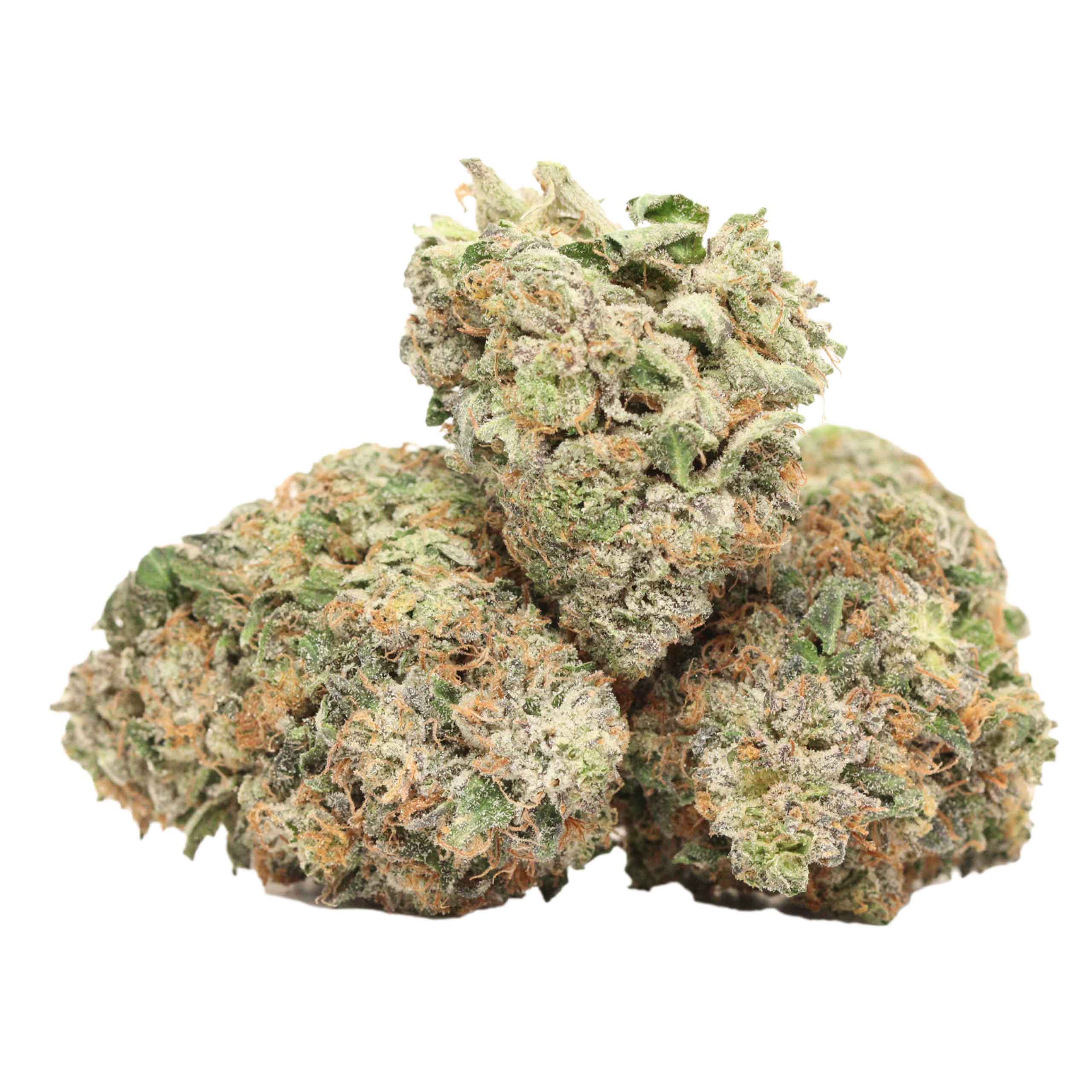
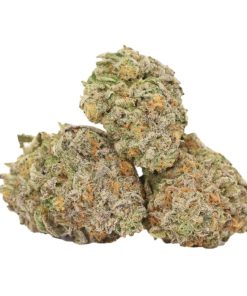
Pink Kush AAAA+ Indica Craft is a premium-style cannabis flower designation built around the well-known Pink Kush cultivar. Pink Kush is generally described as an indica-dominant hybrid closely associated with the OG Kush family and known for floral, sweet and relaxing consumer-reported characteristics.
Current strain data commonly place Pink Kush around 19% THC, although individual commercial batches can test considerably higher.
Leafly currently identifies Pink Kush, also called Pink OG or Sedamen, as a hybrid with:
- approximately 19% THC
- around 1% CBG
- myrcene
- limonene
- caryophyllene
- relaxed effects
- sleepy effects
- increased appetite
- rose
- floral
- sweet flavors
The strain is often described commercially as indica-dominant.
The additional words in Pink Kush AAAA+ Indica Craft need context.
AAAA+ is a commercial quality designation rather than an official federal cannabis grade.
Indica Craft generally describes the product’s commercial category and cultivation positioning.
The strain also provides a useful starting point for several major U.S. cannabis-law questions:
Is marijuana legal in California?
Is weed legal in AZ?
Which states have legalized cannabis?
What is happening with federal cannabis legalization?
What does DISA California information mean?
Because cannabis law changes regularly, the answers should always be tied to current state and federal sources.
For more U.S.-focused cannabis strain and legal education, readers can explore weedshopusa.com.
What Is Pink Kush AAAA+ Indica Craft?
Pink Kush AAAA+ Indica Craft combines an established strain name with commercial quality language.
Pink Kush itself is closely associated with the broader OG Kush family.
Current strain references describe Pink Kush as:
- indica-dominant
- high in THC
- calming
- floral
- sweet
- earthy
- body-focused in consumer reports
Its exact potency depends on the producer and batch.
Pink Kush AAAA+ Indica Craft at a Glance
| Characteristic | Pink Kush |
|---|---|
| Category | Hybrid, commonly indica-dominant |
| Genetic family | OG Kush-associated |
| Representative THC | Around 19%, batch dependent |
| CBG | Around 1% in current strain data |
| Common terpenes | Myrcene, limonene, caryophyllene |
| Common effects | Relaxed, sleepy, hungry |
| Common flavors | Rose, floral, sweet |
| AAAA+ | Commercial quality designation |
| Legal everywhere in U.S.? | No |
| Legal status | Depends on state and federal context |
The strain name does not determine legal status.
What Does AAAA+ Mean?
AAAA+ is commonly used in cannabis marketing to imply premium flower quality.
It may suggest attention to:
- flower structure
- trichomes
- aroma
- curing
- trim
- freshness
- appearance
However, there is no nationwide scientific rule defining what qualifies as AAAA+.
It does not guarantee:
- a specific THC percentage
- legal status
- contaminant-free flower
- medical effectiveness
- genetic authenticity
The term should therefore be treated as a commercial descriptor.
What Does Craft Cannabis Mean?
Craft cannabis usually refers to cannabis marketed as being produced in smaller or quality-focused batches.
Possible features can include:
- phenotype selection
- controlled cultivation
- slower curing
- hand trimming
- terpene preservation
But “craft” is not a federal medical or legal classification.
A craft cannabis product must still comply with applicable laws.
Pink Kush AAAA+ Indica Craft THC
Pink Kush is generally considered a relatively potent strain.
Current strain references list Pink Kush around 19% THC, while various commercial products may test in the 20% range or above.
THC can vary according to:
- phenotype
- growing conditions
- lighting
- nutrition
- harvest timing
- curing
- storage
- laboratory methodology
The actual certificate for the specific batch is more useful than a generic online percentage.
Pink Kush Effects
The Pink Kush AAAA+ Indica Craft profile is commonly associated with:
- relaxation
- sleepiness
- hunger
- euphoria
- physical heaviness
Possible unwanted THC-related effects include:
- dry mouth
- dry eyes
- dizziness
- anxiety
- impaired short-term memory
- impaired coordination
These effects are consumer-reported rather than guaranteed outcomes.
Is Marijuana Legal in California?
Yes.
Marijuana is legal in California for both medical and adult-use purposes under state law.
California’s Department of Cannabis Control states that adults 21 years or older may legally use adult-use cannabis.
People 18 or older with a physician’s recommendation may use medicinal cannabis under California law.
California’s legal framework developed in stages.
California Medical Cannabis
California became the first U.S. state to legalize medical cannabis when voters approved Proposition 215 in 1996.
That law became known as the Compassionate Use Act.
California later developed a much more comprehensive regulatory system.
California Recreational Cannabis
California voters approved Proposition 64 in 2016.
It legalized adult-use cannabis under state law for adults 21 and older.
Commercial adult-use sales began later under the state’s regulated system.
What Can Adults Legally Do in California?
Under current state law, adults 21 and older can generally:
- possess cannabis within legal limits
- use cannabis on permitted private property
- grow a limited number of plants at home
- obtain cannabis from licensed retailers
California currently allows adults 21 or older to grow up to six cannabis plants at home, although local rules can affect how cultivation must occur.
California Cannabis Possession Does Not Mean Everywhere Is Legal
Cannabis can be legal at the state level while still being prohibited in specific locations.
For example, California prohibits cannabis use in many public places.
Cannabis also cannot generally be smoked where tobacco smoking is prohibited.
Property owners can prohibit cannabis use on their property.
Local governments can impose additional restrictions.
California Cannabis Businesses
Another important distinction is between:
legal personal cannabis use
and
legal commercial cannabis activity.
California allows cannabis businesses, but cities and counties have significant local control.
Some jurisdictions allow:
- storefront retail
- delivery
- cultivation
- manufacturing
- distribution
- testing
Others prohibit some or all commercial cannabis businesses.
Therefore, “marijuana is legal in California” does not mean every California city must allow a dispensary.
California Cannabis Retail
Legal cannabis retailers in California must be licensed.
State regulations require retailers to follow rules involving:
- age verification
- licensed inventory
- product testing
- packaging
- operating hours
- local authorization
Cannabis businesses cannot simply operate without applicable licensing.
Is Marijuana Legal in California for Tourists?
Adult-use cannabis laws generally apply to adults 21 and older regardless of whether they are California residents.
However, visitors remain subject to:
- possession limits
- public-use restrictions
- local regulations
- federal-property restrictions
A visitor cannot legally take California marijuana across state lines merely because it was legally obtained under California state law.
Cannabis on Federal Land in California
This is one of the most important legal distinctions.
California cannabis law does not override federal rules on federal property.
Cannabis remains subject to federal controls.
This can affect places such as:
- national parks
- federal buildings
- certain federal lands
State legalization does not automatically legalize marijuana in these areas.
DISA California: What Does It Mean?
The keyword DISA California commonly refers to DISA Global Solutions’ marijuana legality and workplace-compliance information.
DISA publishes a state-by-state marijuana-legality map.
As of September 2026, DISA lists California as:
Fully Legal
with:
- medical cannabis allowed
- adult-use cannabis allowed
- marijuana decriminalized under state law
However, DISA is not California’s cannabis regulator.
For legal verification, the California Department of Cannabis Control is the more authoritative source.
DISA and Workplace Drug Testing
Legalization does not necessarily eliminate employer drug-testing policies.
This is an important distinction.
A state can legalize cannabis while employers may still have:
- drug-free workplace policies
- safety-sensitive restrictions
- testing programs
- federal-contract requirements
Cannabis legality and employment law are related but separate legal issues.
Is Weed Legal in AZ?
Yes.
Adult-use marijuana is legal in Arizona for adults 21 and older under state law.
Arizona voters approved Proposition 207, known as the Smart and Safe Arizona Act, in November 2020.
The law legalized marijuana for adult personal use.
Arizona Adult-Use Possession
Arizona law generally allows adults 21 or older to possess:
1 ounce or less of marijuana
with no more than:
5 grams of marijuana concentrate
within that overall allowance.
Rules can change, so state agency guidance should be checked for current limits.
Arizona Medical Cannabis
Arizona also has a medical marijuana program.
Medical cannabis was approved through Proposition 203 in 2010.
This means Arizona currently has both:
- medical marijuana
- adult-use marijuana
systems.
Arizona Cannabis Regulation
The Arizona Department of Health Services plays a major role in licensing and regulating marijuana businesses.
The Arizona Department of Revenue oversees marijuana-related taxation.
This demonstrates another important point:
Legalization does not mean cannabis is unregulated.
Instead, legalization usually creates a regulated commercial framework.
Arizona vs California Cannabis Laws
| Issue | California | Arizona |
|---|---|---|
| Adult-use legal? | Yes | Yes |
| Minimum adult-use age | 21 | 21 |
| Medical program? | Yes | Yes |
| Adult-use legalization | Proposition 64 | Proposition 207 |
| Medical legalization | Proposition 215 | Proposition 203 |
| Home cultivation | Allowed with rules | Allowed with rules |
| Public consumption | Restricted | Restricted |
| Interstate transport | Not federally legal | Not federally legal |
Both states permit adult-use marijuana under state law, but their regulations are not identical.
For more U.S. cannabis law education, readers can explore weedshopusa.com.
Which States Have Legalized Cannabis?
The answer depends on what “legalized” means.
Cannabis laws generally fall into several categories:
- adult-use legal
- medical-use legal
- limited low-THC programs
- decriminalized
- prohibited
These categories should not be treated as identical.
How Many States Allow Adult-Use Cannabis?
According to the National Conference of State Legislatures, 24 states, three territories and the District of Columbia allow or regulate non-medical adult cannabis use as of its latest available summary.
The exact number can change as states enact new laws.
That is why current regulatory sources matter.
Adult-Use Cannabis States
As of the current 2026 landscape, states with adult-use legalization include:
- Alaska
- Arizona
- California
- Colorado
- Connecticut
- Delaware
- Illinois
- Maine
- Maryland
- Massachusetts
- Michigan
- Minnesota
- Missouri
- Montana
- Nevada
- New Jersey
- New Mexico
- New York
- Ohio
- Oregon
- Rhode Island
- Vermont
- Virginia
- Washington
Washington, D.C. also permits adult possession and use under local law, although its commercial framework differs significantly because of congressional restrictions.
Medical Cannabis Is More Widespread
Medical cannabis is legal in more states than adult-use marijuana.
NCSL reports that 41 states, three territories and the District of Columbia have comprehensive medical cannabis laws in its latest summary.
Several additional states permit limited low-THC or CBD products.
This makes the statement:
“Cannabis is legal in most states”
potentially misleading unless medical and adult-use laws are distinguished.
Decriminalization Is Not Legalization
This is another important distinction.
Decriminalization usually means reducing or removing certain criminal penalties.
It does not necessarily create a legal cannabis market.
A state may decriminalize possession while still prohibiting:
- recreational sales
- cultivation
- commercial production
Therefore, decriminalized cannabis should not automatically be described as fully legal.
Federal Cannabis Legalization
Federal cannabis legalization has not occurred nationwide.
This remains true even though federal marijuana policy changed significantly in 2026.
Federal law and state cannabis laws continue to operate differently.
What Changed Federally in April 2026?
On April 23, 2026, the Department of Justice and DEA announced a significant federal action.
The government placed into Schedule III:
- FDA-approved products containing marijuana
- marijuana products regulated under qualifying state-issued medical marijuana licenses
This was an important policy change.
However, it did not broadly legalize recreational marijuana nationwide.
What Does Schedule III Mean?
Schedule III is still a category under the federal Controlled Substances Act.
A Schedule III substance remains controlled.
Therefore:
rescheduling is not the same as legalization.
This distinction is critical.
Broader Federal Cannabis Rescheduling
The federal government also continued a formal administrative process to consider broader marijuana rescheduling.
The broader question concerns whether marijuana more generally should move from Schedule I to Schedule III.
That process should not be confused with full legalization.
Even broad Schedule III status would not automatically create a federally legal adult-use marijuana market.
Federal Cannabis Legalization vs Rescheduling
| Policy | Meaning |
|---|---|
| Decriminalization | Reduces criminal penalties |
| Rescheduling | Changes Controlled Substances Act classification |
| Descheduling | Removes a substance from federal schedules |
| Legalization | Creates lawful possession/use framework |
| State legalization | Legal under state law |
| Federal legalization | Legal under federal framework |
These terms should not be used interchangeably.
Is Cannabis Federally Legal Now?
No.
The 2026 federal action does not mean ordinary adult-use cannabis has become universally legal across the United States.
Federal restrictions still matter.
This is particularly relevant to:
- interstate commerce
- federal property
- federally regulated employment
- interstate shipping
- federal licensing questions
State legalization does not erase federal law.
Can Cannabis Be Taken Across State Lines?
Generally, state legalization does not create lawful interstate marijuana transportation.
This remains true even when traveling between two states that have legal adult-use cannabis.
For example:
California → Arizona
Both states permit adult use.
That does not automatically make interstate marijuana transport federally lawful.
Each legal market is largely state-contained.
Pink Kush AAAA+ Indica Craft and State Laws
The legal status of Pink Kush AAAA+ Indica Craft depends on where the product is located and how it is possessed or distributed.
The strain itself does not have a separate legal category.
Pink Kush does not become legal because:
- it is AAAA+
- it is craft cannabis
- it is indica
- it has a particular THC percentage
The same marijuana laws apply based on jurisdiction and product classification.
Cannabis Legalization and THC Percentage
THC concentration can matter under some laws, particularly when distinguishing marijuana from hemp-derived products.
But ordinary high-THC marijuana flower remains governed by cannabis-specific rules.
A 20% THC Pink Kush product is not federally treated the same way as qualifying low-THC hemp merely because both come from Cannabis plants.
Cannabis Legalization and Driving
Legal marijuana does not mean legal impaired driving.
Both California and Arizona prohibit driving while impaired by cannabis.
THC can impair:
- reaction time
- judgment
- coordination
- attention
Someone impaired by Pink Kush AAAA+ Indica Craft should not drive.
Legalization and Public Consumption
Adult-use legalization also does not mean cannabis can be consumed everywhere.
Restrictions commonly apply to:
- public spaces
- schools
- workplaces
- vehicles
- federal property
Local jurisdictions may impose additional requirements.
Legalization and Employers
An employee may legally use cannabis under state law while still being subject to workplace rules.
This is particularly important in:
- transportation
- healthcare
- construction
- federal contracting
- other safety-sensitive employment
DISA’s legalization resources often emphasize this workplace distinction.
Why Cannabis Law Changes So Often
Cannabis policy is still evolving rapidly.
Changes can occur through:
- ballot initiatives
- state legislation
- regulations
- court decisions
- federal administrative action
That means an article about cannabis legality should include dates and authoritative sources.
Responsible Legal Cannabis Education
Legal cannabis content should avoid saying simply:
“Weed is legal in America.”
That statement is inaccurate.
A better explanation is:
Cannabis legality varies by state, medical versus adult-use status, local rules and federal law.
That language remains much more reliable.
Educational Resources
For current California law, age limits, possession rules and adult-use guidance, review the California Department of Cannabis Control’s official cannabis legality guide.
For Arizona’s official adult-use marijuana framework, see the Arizona Department of Revenue Adult Use Marijuana resource.
For current nationwide state-policy information, review the National Conference of State Legislatures State Cannabis Policy Enactment Database.
For additional U.S.-focused cannabis education, readers can explore weedshopusa.com.
Frequently Asked Questions
1. What is Pink Kush AAAA+ Indica Craft?
Pink Kush AAAA+ Indica Craft is a premium-style commercial designation built around Pink Kush, an indica-dominant OG Kush-associated hybrid. AAAA+ and Craft are commercial descriptors rather than standardized federal cannabis grades.
2. Is marijuana legal in California?
Yes. California permits adult-use cannabis for adults 21 and older and medical cannabis for qualifying patients. However, public consumption, local business rules, federal property and interstate transport remain restricted.
3. Is weed legal in AZ?
Yes. Arizona permits adult-use marijuana for adults 21 and older under Proposition 207 and also operates a medical marijuana program.
4. Which states have legalized cannabis?
Twenty-four states plus Washington, D.C. currently permit non-medical adult cannabis use, while substantially more states operate medical cannabis programs. Individual laws differ on possession, cultivation, retail sales and public use.
5. Has federal cannabis legalization happened?
No. Federal marijuana policy changed substantially in 2026, including Schedule III treatment for certain FDA-approved and qualifying state-regulated medical marijuana products, but nationwide recreational cannabis legalization has not occurred.
Where to Explore Further
Readers researching Pink Kush AAAA+ Indica Craft, California cannabis law, Arizona marijuana law and federal cannabis legalization can explore weedshopusa.com alongside current state regulators and NCSL.
The most important legal distinction is between:
state legalization
and
federal legalization.
California and Arizona permit adult-use marijuana under state law.
That does not mean cannabis is unrestricted under federal law.
Likewise, federal rescheduling should not be described as nationwide marijuana legalization.
Final Thoughts
Pink Kush AAAA+ Indica Craft is an indica-dominant, OG Kush-associated cannabis designation commonly linked with floral, sweet and calming characteristics. Current strain data place Pink Kush around 19% THC, although individual batches can differ substantially.
Its legal status depends entirely on jurisdiction.
For is marijuana legal in California, the answer is yes under California state law for adults 21 and older, subject to possession, use, licensing and local restrictions.
For DISA California, DISA’s current legalization map categorizes California as fully legal at the state level, but California’s Department of Cannabis Control remains the more authoritative regulatory source.
For is weed legal in AZ, Arizona allows adult-use marijuana for adults 21 and older under Proposition 207 and continues to operate its medical program.
For which states have legalized cannabis, the current landscape includes 24 adult-use states plus Washington, D.C., while comprehensive medical programs exist in many more jurisdictions.
For federal cannabis legalization, the most important point is that the United States has not created nationwide adult-use marijuana legalization.
The April 2026 federal Schedule III action represented a significant change for qualifying medical marijuana products and FDA-approved marijuana products, but rescheduling is not the same as legalization.
Cannabis law remains a combination of:
- federal rules
- state rules
- local ordinances
- medical-program requirements
- adult-use regulations
The strongest legal cannabis content therefore avoids broad claims and identifies the specific jurisdiction involved.
Be the first to review “Pink Kush AAAA+ Indica Craft”
Related products
Indica
Indica
Indica
Indica
Indica
Indica
Indica
Reviews
There are no reviews yet.