
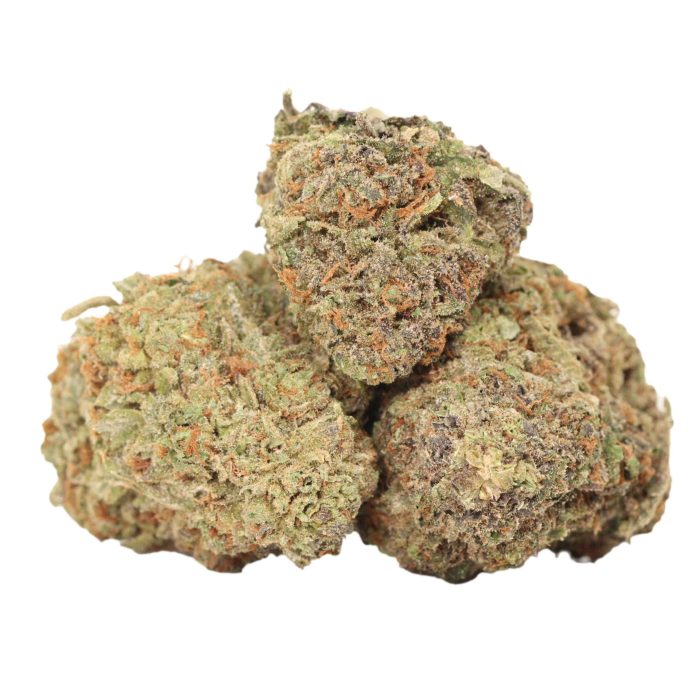
Purple Banner Weed Strain: Genetics, THC, Effects & What Cannabis Research Really Shows
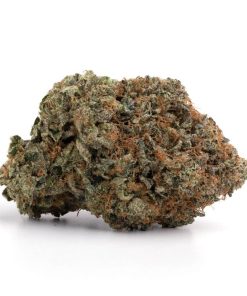
The Purple Banner weed strain is a potent hybrid most commonly documented as a cross between Purple Kush and Bruce Banner. Current commercial strain records describe Purple Banner as an indica-leaning hybrid with THC concentrations that can range from roughly 20% into the upper 20% range, depending on the producer and batch.
Its genetic background combines two influential cannabis families.
Purple Kush contributes the purple coloration, earthy and sweet characteristics commonly associated with Kush genetics, while Bruce Banner contributes diesel, fruit and substantial THC potential.
The Purple Banner weed strain also provides a useful starting point for answering several common cannabis-health questions:
What is THC good for?
What does THC help with?
What are the good effects of weed?
What does cannabis cure?
What does research say about cannabis for insomnia?
These questions require careful wording because consumer experiences, pharmaceutical cannabinoid medicines and dispensary cannabis flower are not medically interchangeable.
THC has genuine biological and medical effects, but that does not mean every THC-rich strain is a proven treatment.
Likewise, cannabis can potentially help certain symptoms under appropriate medical circumstances without being a cure for the underlying disease.
For additional U.S.-focused cannabis strain and research education, readers can explore weedshopusa.com.
What Is the Purple Banner Weed Strain?
The Purple Banner weed strain is generally described as:
Purple Kush × Bruce Banner
This combination produces a hybrid that is often marketed as indica-dominant.
Some contemporary listings describe the balance as approximately:
70% indica / 30% sativa
However, cannabis indica/sativa percentages should be treated cautiously.
They are commercial classification tools rather than precise predictors of how every person will respond.
Purple Banner Weed Strain at a Glance
| Characteristic | Purple Banner |
|---|---|
| Common lineage | Purple Kush × Bruce Banner |
| Category | Hybrid, often indica-dominant |
| Representative THC | Approximately 20–30%, batch dependent |
| CBD | Usually low in current listings |
| Common aromas | Berry, citrus, diesel, earth |
| Common flavors | Sweet, earthy, grape, woody |
| Consumer-reported effects | Relaxed, euphoric, uplifting |
| Proven medical treatment? | No strain-specific clinical evidence |
| Proven cure? | No |
| U.S. legality | Depends on jurisdiction |
Actual laboratory values can vary substantially between growers and harvests.
Purple Banner Genetics Explained
Understanding the Purple Banner weed strain starts with its parent cultivars.
Purple Kush
Purple Kush belongs to the broader Kush family.
It is commonly associated with:
- earthy aromas
- grape-like sweetness
- purple pigmentation
- relaxing consumer effects
Purple coloration often results largely from plant pigments called anthocyanins.
Purple flower is not automatically more potent than green flower.
Bruce Banner
Bruce Banner is an influential modern hybrid associated with:
- diesel
- strawberry
- sweet aromas
- substantial THC potential
- uplifting effects
The Bruce Banner family itself is commonly connected to OG Kush and Strawberry Diesel genetics.
Combining Purple Kush and Bruce Banner creates the basic genetic profile associated with Purple Banner.
Why Purple Banner THC Numbers Vary
Current commercial records show substantial variation.
Some listings report Purple Banner around:
20–27% THC
while others advertise batches closer to:
28–30% THC
Neither figure should be treated as universal.
THC changes according to:
- phenotype
- cultivation
- environment
- harvest timing
- curing
- storage
- analytical laboratory methods
Therefore, a laboratory result from the actual product batch is more useful than assuming every Purple Banner flower has identical potency.
Purple Banner Weed Strain Effects
Consumer reports associated with the Purple Banner weed strain commonly describe:
- relaxation
- euphoria
- uplifted mood
- physical heaviness
- appetite changes
- creativity
These are subjective experiences.
Possible unwanted THC-related effects can include:
- dry mouth
- dry eyes
- dizziness
- anxiety
- impaired short-term memory
- impaired coordination
- slower reaction time
Effects depend on dose, tolerance, cannabinoid composition and individual sensitivity.
Purple Banner Aroma and Flavor
Purple Banner is commonly associated with:
- berry
- grape
- citrus
- diesel
- earth
- floral aromas
- sweetness
- woody notes
This profile reflects characteristics commonly associated with both Purple Kush and Bruce Banner.
Actual flavor depends heavily on the final terpene and volatile-compound profile.
Higher THC Does Not Mean Better Purple Banner
A high THC percentage does not automatically mean better cannabis.
Quality can also depend on:
- genetics
- curing
- freshness
- terpene retention
- moisture
- contaminant testing
- storage
A lower-THC Purple Banner batch can still have excellent aroma and cultivation quality.
What Is THC?
THC stands for delta-9-tetrahydrocannabinol.
It is the major intoxicating cannabinoid in most marijuana products.
THC interacts primarily with cannabinoid receptors in the body’s endocannabinoid system, especially CB1 receptors in the brain.
This interaction contributes to effects involving:
- perception
- appetite
- memory
- pain signaling
- mood
- coordination
- nausea
- reward processing
These biological effects explain both THC’s potential therapeutic applications and its risks.
What Is THC Good For?
The question what is THC good for is better answered by distinguishing approved medicines from general cannabis products.
Certain pharmaceutical cannabinoid medicines related to THC have recognized medical uses.
FDA-approved synthetic THC-related medicines include dronabinol and nabilone.
They have been used for specific indications such as:
- chemotherapy-related nausea and vomiting
- appetite loss associated with certain medical conditions
However, this does not mean smoking a high-THC strain such as Purple Banner is medically equivalent to taking an FDA-approved medicine.
Dose, purity, formulation and clinical testing differ substantially.
What Does THC Help With?
Research has investigated THC-containing cannabinoid treatments for several symptoms.
Areas with varying degrees of evidence include:
Nausea and Vomiting
THC-related pharmaceutical medicines have established roles in certain chemotherapy-related nausea and vomiting situations.
Appetite
Some cannabinoid medicines can stimulate appetite.
Chronic Pain
Certain THC-containing formulations have demonstrated modest pain improvements in some clinical studies, particularly in neuropathic pain.
Spasticity
Cannabinoid formulations have been studied for symptoms related to multiple sclerosis.
Sleep
Some cannabinoid formulations have shown sleep improvements in recent randomized trials, although the evidence varies significantly by product and population.
The important word is formulation.
Evidence for a standardized medical cannabinoid product does not automatically prove the Purple Banner weed strain will produce the same result.
Good Effects of Weed: What Do People Mean?
People searching for the good effects of weed can mean either subjective experiences or medical outcomes.
Those should be separated.
Commonly reported positive subjective effects include:
- relaxation
- euphoria
- increased appetite
- altered sensory perception
- sociability
- laughter
- temporary stress reduction
Some people also report:
- easier sleep onset
- pain relief
- reduced nausea
But self-reported effects do not establish a clinically proven treatment.
Positive Effects vs Medical Benefits
A person saying:
“Cannabis makes me feel relaxed”
describes a subjective effect.
A statement such as:
“Cannabis treats generalized anxiety disorder”
is a medical claim requiring clinical evidence.
These should not be treated as equivalent.
THC Can Also Produce Unwanted Effects
THC is not universally beneficial.
Possible adverse effects include:
- anxiety
- panic
- paranoia
- dizziness
- impaired memory
- impaired judgment
- coordination problems
- increased heart rate
- sedation
Higher THC doses can increase the likelihood or intensity of some adverse reactions.
This is particularly important with potent products.
Can THC Become Habit Forming?
Yes.
Some cannabis users develop cannabis use disorder.
Risk tends to increase with factors such as:
- frequent use
- younger age at initiation
- high-THC products
- long-term use
THC’s ability to produce desirable effects does not eliminate dependence risk.
What Does Cannabis Cure?
This is one of the most important questions to answer correctly.
Cannabis itself has not been FDA-approved as a cure for any disease.
FDA specifically states that it has not approved cannabis itself for the treatment of any disease or condition.
That means claims such as:
- cannabis cures cancer
- cannabis cures epilepsy
- cannabis cures Parkinson’s disease
- cannabis cures chronic pain
- cannabis cures insomnia
should not be presented as established medical facts.
Cannabis Can Help Symptoms Without Curing Disease
A treatment can improve symptoms without eliminating the underlying condition.
For example, a medication might reduce:
- nausea
- pain
- muscle spasticity
- appetite loss
without curing the disease causing those symptoms.
This distinction is particularly important in cannabis education.
Does Cannabis Cure Cancer?
No reliable clinical evidence shows that cannabis cures cancer.
Cannabinoids have been studied in:
- laboratory cells
- animal models
- symptom management
But laboratory anticancer effects do not prove cannabis cures human cancers.
Cannabinoid medicines may sometimes be used to help manage symptoms such as chemotherapy-related nausea.
That is fundamentally different from treating the tumor itself.
Does Cannabis Cure Epilepsy?
Cannabis flower itself is not an FDA-approved cure for epilepsy.
However, one specific purified CBD medicine, Epidiolex, is FDA-approved for seizures associated with:
- Lennox-Gastaut syndrome
- Dravet syndrome
- tuberous sclerosis complex
This demonstrates why “cannabis” and “a standardized cannabinoid medication” should not be treated as identical.
Does Cannabis Cure Pain?
Pain is a symptom rather than one single disease.
Some cannabinoid products may produce modest improvements for certain chronic or neuropathic pain conditions.
That does not mean cannabis cures the underlying nerve damage, arthritis, injury or neurological disease.
Pain relief and disease cure are different outcomes.
Does Purple Banner Cure Anything?
There is no clinical evidence showing that the Purple Banner weed strain cures a disease.
Purple Banner’s commercial reviews may describe:
- relaxation
- improved mood
- appetite
- sleepiness
- pain relief
But consumer reviews cannot establish a cure.
No strain name should substitute for a medically validated diagnosis or treatment.
For further U.S.-focused cannabis research education, readers can explore weedshopusa.com.
Cannabis for Insomnia
Cannabis for insomnia is one of the most actively researched areas in cannabinoid medicine.
The evidence is becoming more interesting, but it remains nuanced.
A 2026 systematic review and meta-analysis of randomized trials reported that cannabinoid interventions improved several sleep outcomes compared with controls.
Researchers found improvements in measures including:
- insomnia severity
- sleep quality
- total sleep time
- sleep efficiency
However, formulations varied substantially.
This means the findings cannot automatically be applied to ordinary dispensary flower.
What Does the Latest Insomnia Research Show?
A 2026 meta-analysis involving 10 randomized controlled trials and more than 2,100 participants found cannabinoids were associated with improvements in insomnia severity and sleep quality.
Total sleep time increased by roughly half an hour on average in the pooled analysis.
However, adverse events such as:
- dizziness
- dry mouth
were more common among cannabinoid participants.
Researchers still called for larger and longer studies.
THC and Sleep Are Not Simple
One 2026 review of medical cannabis for insomnia found differing outcomes depending on the cannabinoid formulation.
Interestingly, that analysis reported more favorable sleep findings for certain CBD/CBN approaches than for THC-containing formulations.
Other meta-analyses have reached somewhat different conclusions.
This illustrates an important point:
“Cannabis helps sleep” is too broad a claim.
Outcomes depend on:
- THC
- CBD
- CBN
- dose
- route
- formulation
- frequency of use
- individual characteristics
Cannabis and Objective Sleep Architecture
A 2025 systematic review examining objective sleep measurements found that cannabis did not consistently alter:
- total sleep duration
- sleep onset
- sleep efficiency
- wake time
- sleep stages
Earlier research suggested THC could reduce REM sleep, but more recent evidence has been inconsistent.
The authors emphasized that the evidence base remains limited.
Recreational Cannabis and Insomnia
An important distinction appears when researchers study recreational cannabis rather than controlled medical formulations.
A 2025 systematic review covering 120 studies found that current recreational cannabis use was associated in observational data with:
- poorer sleep quality
- more insomnia symptoms
- short sleep duration
- long sleep duration
- later sleep timing
This creates a very different picture from simply saying cannabis improves sleep.
Why Cannabis Can Feel Helpful for Sleep but Still Be Associated With Insomnia
Several mechanisms may explain the apparent contradiction.
Initial Sedation
THC can make some people feel sleepy.
Tolerance
Regular users may require increasing exposure to achieve similar effects.
Dependence
The body can adapt to frequent cannabis exposure.
Withdrawal
Stopping after frequent use can trigger sleep disruption.
These processes can create a cycle where cannabis initially seems helpful but sleep becomes more difficult without it.
Cannabis Withdrawal and Sleep
Sleep disruption is one of the most consistently documented cannabis-withdrawal symptoms.
Possible symptoms include:
- difficulty falling asleep
- reduced sleep time
- vivid dreams
- REM rebound
- nighttime awakenings
This matters when evaluating cannabis for insomnia.
Someone may interpret withdrawal-related insomnia as evidence that cannabis is permanently necessary for sleep.
Does Purple Banner Help Insomnia?
Some consumer reports describe Purple Banner weed strain effects as relaxing, heavy or sedating.
That does not prove Purple Banner treats insomnia.
There are no high-quality clinical trials establishing Purple Banner specifically as an insomnia treatment.
Therefore, a scientifically responsible description is:
Some users may report relaxation or sleepiness after Purple Banner.
It would be inappropriate to say:
Purple Banner is clinically proven to treat insomnia.
Indica Does Not Mean Proven Sleep Medicine
Purple Banner is often described as indica-dominant.
That label does not establish medical effectiveness.
Modern cannabis research increasingly recognizes that effects depend more on:
- cannabinoid profile
- terpene chemistry
- dosage
- tolerance
- individual response
than on a simple indica-versus-sativa label.
Why People Use Cannabis for Sleep
People report using cannabis because they experience:
- easier sleep onset
- relaxation
- reduced discomfort
- decreased nighttime anxiety
But insomnia can have many underlying causes.
These include:
- sleep apnea
- anxiety
- depression
- chronic pain
- medications
- circadian disruption
- substance use
- stress
Persistent insomnia deserves proper evaluation rather than relying solely on a commercial cannabis strain.
Cannabis Does Not Treat Every Sleep Disorder
Sleep disorders differ substantially.
Cannabis should not automatically be assumed useful for:
- obstructive sleep apnea
- narcolepsy
- restless legs syndrome
- parasomnias
- circadian rhythm disorders
Evidence for one type of sleep problem cannot be generalized to every sleep disorder.
Purple Banner and Medical Claims
The Purple Banner weed strain should primarily be described through verifiable characteristics such as:
- genetics
- THC
- cannabinoid profile
- terpene profile
- consumer-reported effects
Claims about treating diseases require much stronger evidence.
This separation helps cannabis education remain scientifically credible.
THC vs CBD
THC and CBD are both cannabinoids but behave differently.
| Feature | THC | CBD |
|---|---|---|
| Intoxicating | Yes | Generally no |
| Major CB1 activity | Strong | Different/indirect |
| Can impair driving | Yes | Generally less intoxicating |
| FDA-related medicines | Yes | Yes |
| Can cause anxiety | Possible | Different risk profile |
| Studied for sleep | Yes | Yes |
| Same compound? | No | No |
Cannabis products can contain different ratios of these compounds.
FDA-Approved Cannabinoid Medicines
Cannabinoid medicine provides a useful example of how medical evidence works.
FDA has approved:
- one purified CBD-derived medicine
- several synthetic cannabis-related medicines
These drugs have standardized:
- ingredients
- doses
- manufacturing
- clinical indications
Dispensary flower does not automatically have those characteristics.
Is THC Good for Everyone?
No.
Certain people may be more vulnerable to adverse THC effects.
Extra caution can be appropriate for people with:
- cardiovascular concerns
- psychosis vulnerability
- pregnancy
- medication interactions
- substance-use disorders
Individual medical decisions should involve an appropriate clinician.
THC and Driving
THC can impair:
- reaction time
- attention
- coordination
- judgment
Someone impaired after using the Purple Banner weed strain should not drive.
Feeling relaxed does not mean driving ability is unaffected.
Purple Banner and Anxiety
Some consumers describe Purple Banner as relaxing.
But THC can produce opposite effects in other people.
High doses may cause:
- anxiety
- panic
- paranoia
This is another reason consumer-reported positive effects cannot be guaranteed.
Purple Banner and Appetite
THC can influence appetite pathways.
This helps explain why some users report increased hunger after cannabis.
Appetite stimulation has also played a role in certain pharmaceutical cannabinoid applications.
But eating more after Purple Banner does not mean the strain itself has been clinically established as a treatment for a specific medical disorder.
Purple Banner and Pain
Some Purple Banner commercial reviews mention pain relief.
That should be interpreted cautiously.
Clinical evidence concerning cannabinoids for chronic pain generally evaluates standardized products or broader cannabinoid categories.
There is no clinical evidence showing Purple Banner specifically treats a particular pain condition.
The Entourage Effect
Cannabis discussions often refer to an entourage effect, meaning cannabinoids and other plant chemicals may interact.
This remains an area of research.
It should not be used to justify unsupported claims that a particular combination of THC and terpenes will treat a disease.
Purple Color and Medical Value
Purple flower can look distinctive.
But purple coloration does not prove:
- higher THC
- greater pain relief
- stronger sleep effects
- greater medical value
Anthocyanins contribute to coloration, but appearance alone cannot establish therapeutic properties.
Cannabis Quality vs Medical Effectiveness
A high-quality flower can still lack medical evidence.
These are separate concepts.
A product can have:
- excellent cultivation
- strong aroma
- good curing
- high cannabinoid levels
without being clinically proven to treat disease.
Educational Resources
For current federal information about cannabis and cannabis-derived medical products, review the FDA Cannabis and Cannabis-Derived Products guidance.
For recent peer-reviewed evidence on cannabinoid treatments and insomnia, see the 2026 systematic review and meta-analysis indexed by PubMed.
For broader public-health information about cannabis effects and risks, see the CDC Cannabis Health Effects resource.
For additional U.S.-focused cannabis strain and research education, readers can explore weedshopusa.com.
Frequently Asked Questions
1. What is the Purple Banner weed strain?
The Purple Banner weed strain is a hybrid commonly documented as Purple Kush × Bruce Banner. Current commercial records report substantial THC concentrations, often between approximately 20% and 30%, although actual batch results vary.
2. What is THC good for?
THC and THC-related medicines have been studied or approved for specific uses including chemotherapy-related nausea, appetite stimulation and certain symptom-management situations. That does not mean every THC-rich cannabis strain is medically proven for those conditions.
3. What does THC help with?
Research suggests certain THC-containing cannabinoid formulations may help symptoms such as nausea, appetite loss, some forms of chronic pain and possibly sleep problems. Benefits depend heavily on the product, dose, condition and individual.
4. What does cannabis cure?
Cannabis itself is not FDA-approved as a cure for any disease. Some cannabinoid medicines have approved therapeutic uses, and some cannabis-derived compounds can help manage symptoms. Symptom improvement should not be confused with curing the underlying disease.
5. Does cannabis help insomnia?
Some randomized trials show certain cannabinoid formulations can improve subjective sleep or insomnia measures, but results vary. Recreational cannabis use is also associated with poorer sleep and more insomnia symptoms in observational research, while cannabis withdrawal commonly disrupts sleep.
Where to Explore Further
Readers researching the Purple Banner weed strain, THC effects, possible cannabis benefits and sleep research can explore weedshopusa.com alongside current FDA, CDC and PubMed resources.
The most important distinction is between a subjective positive effect, symptom management and a cure.
THC can produce genuine effects.
Cannabinoid medicines can have legitimate medical uses.
But neither fact means a commercial strain automatically treats or cures disease.
Final Thoughts
The Purple Banner weed strain is most commonly described as a Purple Kush × Bruce Banner hybrid. Current commercial records suggest substantial THC potential, while its reported aroma combines berry, grape, citrus, diesel, earth and sweetness.
Those characteristics explain Purple Banner as a cannabis cultivar.
They do not establish it as medicine.
When asking what is THC good for, the strongest answers come from distinguishing standardized cannabinoid medicines from ordinary cannabis flower.
THC-related medicines have legitimate therapeutic applications, especially in areas such as chemotherapy-related nausea and appetite stimulation. Cannabinoid products are also being studied for pain, sleep and other symptoms.
For what does THC help with, evidence varies by medical condition, formulation and dose.
For the good effects of weed, consumer reports commonly include relaxation, euphoria, appetite and changes in mood or perception. Those desirable experiences coexist with possible anxiety, impaired memory, slowed reaction time and dependence.
For what does cannabis cure, the scientifically responsible answer is much clearer:
Cannabis itself has not been established by FDA as a cure for disease.
Cannabis or cannabinoids may help manage particular symptoms or conditions under some circumstances, but symptom management and cure are fundamentally different concepts.
Finally, cannabis for insomnia remains an evolving field.
Recent randomized-trial meta-analyses show potentially meaningful sleep improvements with certain cannabinoid formulations. At the same time, objective sleep studies remain inconsistent, recreational cannabis users often report poorer sleep, and withdrawal can produce significant insomnia.
Therefore, there is no clinical basis for claiming the Purple Banner weed strain specifically cures insomnia.
Cannabis education is most reliable when it separates cultivar information, consumer experiences and clinical evidence rather than treating them as interchangeable.
Be the first to review “Purple Banner weed strain”
Related products
Indica
Indica
Indica
Indica
Indica
Indica
Reviews
There are no reviews yet.