
Sherbet Cake Kush: Effects, THC & Medical Cannabis for Anxiety
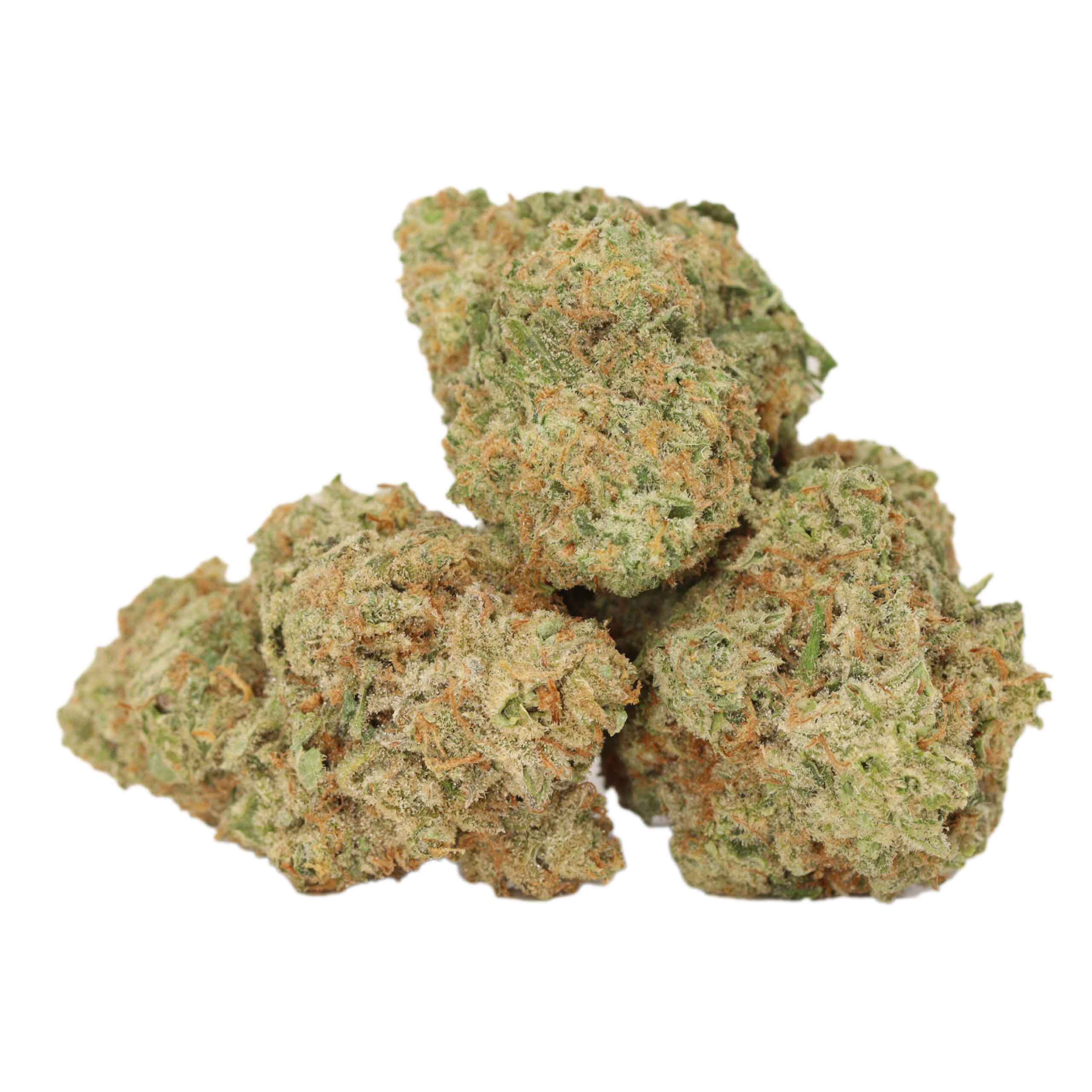
Sherbet Cake Kush is a dessert-style cannabis name associated with the broader Sherbet, Cake and Kush genetic families. Depending on the breeder or producer, products carrying the Sherbet Cake name may have different documented parentage, cannabinoid concentrations and terpene profiles.
That variation matters because cannabis strain names are not perfectly standardized.
Sherbet Cake products are commonly associated with characteristics such as:
- sweet fruit
- creamy dessert notes
- citrus
- earth
- Kush-like pungency
- substantial THC
- relaxing consumer-reported effects
The Sherbet Cake Kush topic also creates an opportunity to answer several common cannabis-health questions:
What are the best strains for social anxiety?
What are the good things about weed?
Is weed good for you?
What is tetrahydrocannabinol used for?
What does research say about medical cannabis for anxiety?
What are legitimate reasons for medical weed?
These questions need more nuance than lists of strain names.
No cannabis cultivar has been clinically established as the “best strain for social anxiety.” Research also shows an important difference between THC and CBD: CBD has produced promising anxiety-reducing results in some controlled research, whereas THC can sometimes increase anxiety, particularly at higher doses.
For additional U.S.-focused cannabis and strain education, readers can explore weedshopusa.com.
What Is Sherbet Cake Kush?
Sherbet Cake Kush is best understood as a dessert-oriented hybrid cannabis designation associated with Sherbet and Cake-type genetics.
The name itself suggests several influential modern cannabis families.
Sherbet Family
Sherbet cultivars are commonly associated with:
- fruit
- citrus
- sweetness
- cream
- berry aromas
Sunset Sherbet is one of the most influential members of this family.
Cake Family
Cake-oriented cannabis cultivars frequently carry dessert-like characteristics involving:
- vanilla
- sweetness
- dough
- cream
- earth
Wedding Cake is among the most recognizable examples.
Kush Influence
Kush-associated cultivars commonly contribute:
- earthiness
- fuel
- spice
- pine
- heavier consumer effects
However, a name containing “Kush” does not prove direct Hindu Kush ancestry.
Sherbet Cake Kush at a Glance
| Characteristic | Sherbet Cake Kush |
|---|---|
| Category | Hybrid / often indica-oriented |
| Genetic family | Sherbet/Cake/Kush-associated |
| Exact lineage | Producer dependent |
| THC | Batch dependent |
| CBD | Usually considerably lower than THC in many modern cultivars |
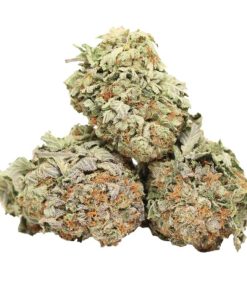
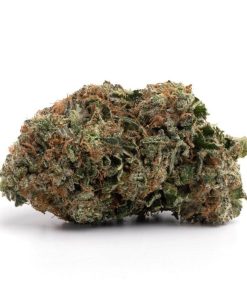
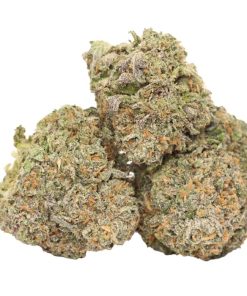
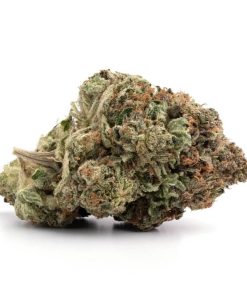
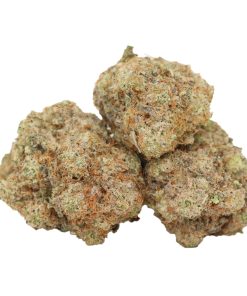
| Aroma | Sweet, creamy, fruity, citrus, earthy |
| Reported effects | Relaxation, euphoria, uplift |
| Proven anxiety treatment? | No strain-specific evidence |
| Best social-anxiety strain? | No clinically established winner |
| U.S. legality | Jurisdiction dependent |
Batch-specific laboratory results should always take priority over generic strain descriptions.
Sherbet Cake Kush Genetics
The genetics behind Sherbet Cake Kush should not be treated as universally fixed unless a breeder identifies the exact parent plants.
Cannabis names can become inconsistent because growers may:
- select different phenotypes
- rename clones
- cross existing cultivars
- reuse commercially successful names
Consequently, two products labeled Sherbet Cake may not be genetically identical.
Reliable documentation should ideally include:
- breeder
- parent strains
- cannabinoid analysis
- terpene analysis
- batch information
Sherbet Cake Kush Aroma
Dessert-style cultivars carrying the Sherbet Cake name are commonly associated with:
- berry
- citrus
- vanilla
- cream
- sweetness
- earth
- fuel
Actual aroma depends on the volatile compounds present in the particular flower.
Sherbet Cake Kush Effects
Consumer descriptions of Sherbet Cake Kush commonly emphasize a combination of mental euphoria and physical relaxation.
Possible reported experiences include:
- relaxation
- uplifted mood
- euphoria
- appetite
- sociability
- sleepiness
But these are consumer experiences rather than guaranteed clinical outcomes.
THC can also cause unwanted effects such as:
- anxiety
- paranoia
- dizziness
- dry mouth
- impaired memory
- increased heart rate
- altered perception
- impaired coordination
Individual responses can differ substantially.
Sherbet Cake Kush THC
THC means delta-9-tetrahydrocannabinol.
It is the major intoxicating cannabinoid in most marijuana products.
A strain’s THC concentration is not permanently fixed.
It can change according to:
- genetics
- phenotype
- cultivation
- harvest timing
- curing
- storage
- testing methodology
Therefore, the laboratory result for the specific Sherbet Cake batch is more informative than a generic online THC number.
Higher THC Is Not Automatically Better
High THC is frequently marketed as desirable.
But potency does not equal quality.
Nor does high THC necessarily equal greater therapeutic benefit.
Higher THC exposure can also increase the likelihood of:
- anxiety
- panic
- paranoia
- cognitive impairment
- dizziness
This becomes particularly important when discussing cannabis and anxiety.
Best Strains for Social Anxiety
People frequently search for the best strains for social anxiety because cannabis is often associated with relaxation and sociability.
But medical research does not support a scientifically validated ranking such as:
- Sherbet Cake
- OG Kush
- Granddaddy Purple
- Blue Dream
- Gelato
Such a list would be based largely on consumer reviews rather than clinical trials.
There is currently no cannabis strain clinically established as the best treatment for social anxiety disorder.
Why Strain Rankings Can Be Misleading
The phrase best strains for social anxiety assumes the strain name predicts anxiety relief.
It often does not.
Two products carrying the same strain name can contain different:
- THC concentrations
- CBD concentrations
- terpene profiles
- minor cannabinoids
And two people consuming the exact same product can respond differently.
For anxiety, cannabinoid composition and dose may be more meaningful than the commercial strain name.
THC and Social Anxiety
THC can produce complicated anxiety effects.
At some doses, people may report:
- relaxation
- reduced inhibition
- sociability
- temporary stress reduction
But THC can also produce:
- nervousness
- paranoia
- panic
- racing thoughts
- increased heart rate
Research suggests these effects can be dose-dependent.
Higher THC doses are particularly capable of increasing anxiety.
Why THC Can Make Social Anxiety Worse
Social anxiety often involves fear of:
- embarrassment
- judgment
- saying something wrong
- being watched
- negative evaluation
THC can alter:
- perception
- attention
- memory
- time perception
- heart rate
For someone already highly self-conscious, these effects may amplify uncomfortable thoughts.
Therefore, high-THC cannabis should not automatically be presented as an anxiety treatment.
CBD and Social Anxiety
CBD has produced more promising results in some anxiety research.
A systematic review of human studies found that acute CBD administration reduced anxiety in several experiments involving healthy volunteers and people with social anxiety disorder.
However, the research has important limitations.
Studies have often involved:
- small samples
- short treatment periods
- different CBD doses
- different anxiety measures
Therefore, CBD remains an area of active investigation rather than an established universal cure for social anxiety.
THC vs CBD for Anxiety
| Characteristic | THC | CBD |
|---|---|---|
| Intoxicating | Yes | Generally no |
| Can produce relaxation | Yes | Possible |
| Can increase anxiety | Yes, especially at higher doses | Different risk profile |
| Social-anxiety research | Mixed | Promising but limited |
| Proven cure for social anxiety | No | No |
| Same as cannabis flower | No | No |
This distinction is more scientifically useful than simply ranking strain names.
Is Sherbet Cake Kush Good for Social Anxiety?
There is no clinical evidence showing that Sherbet Cake Kush treats social anxiety disorder.
A consumer may report feeling:
- calmer
- more relaxed
- more sociable
after using a particular cannabis product.
Another person may experience:
- paranoia
- self-consciousness
- racing thoughts
- panic
The second response can be particularly likely with substantial THC exposure in sensitive individuals.
Therefore, Sherbet Cake should not be promoted as a proven social-anxiety treatment.
Medical Cannabis for Anxiety
Medical cannabis for anxiety remains a developing research field.
One major challenge is that the word “cannabis” includes products with very different chemical compositions.
For example:
Product A: high THC, almost no CBD.
Product B: predominantly CBD.
Product C: balanced THC and CBD.
These products may produce substantially different anxiety outcomes.
What Does Current Anxiety Research Suggest?
Recent systematic reviews generally suggest that cannabinoids may influence anxiety, but evidence differs sharply by compound.
CBD has produced promising anxiety-reducing findings.
THC presents a more complicated picture because higher doses can provoke anxiety.
This means a statement such as:
“Medical cannabis treats anxiety”
is too broad.
A more accurate statement is:
Specific cannabinoids and formulations are being investigated for anxiety disorders, but outcomes depend strongly on THC, CBD, dose and individual response.
Medical Cannabis Is Not the Same as Self-Medicating
Someone using dispensary cannabis because it temporarily makes social situations easier is not necessarily receiving evidence-based medical treatment.
Medical care involves considerations such as:
- diagnosis
- formulation
- dose
- contraindications
- medication interactions
- monitoring
Self-medication can sometimes mask symptoms without addressing the underlying disorder.
For more U.S.-focused cannabis health education, readers can explore weedshopusa.com.
Established Treatments for Social Anxiety
Social anxiety disorder has treatments supported by substantial clinical evidence.
These include:
- cognitive behavioral therapy
- exposure-based approaches
- certain antidepressant medications
Cannabinoid research should be considered in that broader medical context.
Cannabis should not automatically replace established treatment.
Good Things About Weed
The phrase good things about weed can refer to several different concepts.
Some people mean enjoyable subjective effects.
Others mean medical applications.
Others mean broader social or economic considerations.
These should be separated.
Consumer-Reported Positive Cannabis Effects
Commonly reported desirable effects include:
- relaxation
- euphoria
- laughter
- sociability
- appetite
- altered sensory experiences
These experiences are subjective.
What feels positive to one person may feel uncomfortable to another.
Potential Medical Benefits
Cannabinoids also have legitimate medical applications.
Certain cannabinoid medicines are used or studied for:
- chemotherapy-induced nausea and vomiting
- appetite loss
- certain seizure disorders
- some chronic pain conditions
- multiple-sclerosis-related symptoms
The evidence varies significantly by condition and product.
This does not mean every cannabis strain provides all these benefits.
Good Things About Weed vs Medical Claims
A useful distinction is:
“Cannabis makes some people feel relaxed.”
That is a subjective observation.
“Cannabis cures anxiety.”
That is a medical claim requiring clinical evidence.
Responsible cannabis education keeps these statements separate.
Is Weed Good for You?
The question weed good for you cannot accurately be answered with a universal yes or no.
Cannabis has potential benefits and potential risks.
The balance changes according to:
- age
- frequency
- THC concentration
- route
- medical history
- medications
- reason for use
Cannabis can have therapeutic value in certain medical contexts while still carrying meaningful health risks.
Potential Cannabis Risks
Possible risks include:
- impaired driving
- memory impairment
- anxiety
- cannabis use disorder
- respiratory harm from smoking
- medication interactions
- accidental pediatric exposure
Higher THC exposure can increase some risks.
Therefore, “cannabis can have medical uses” does not mean “cannabis is universally healthy.”
Tetrahydrocannabinol Use
Tetrahydrocannabinol use refers primarily to the effects and potential applications of THC.
THC interacts strongly with CB1 cannabinoid receptors in the central nervous system.
This contributes to:
- intoxication
- appetite changes
- altered pain signaling
- memory effects
- nausea control
- changes in mood
- altered perception
THC’s biological activity creates both therapeutic possibilities and adverse effects.
Medical Uses Related to THC
FDA-approved cannabinoid-related prescription medicines provide some of the clearest examples.
Dronabinol
Dronabinol is synthetic delta-9-THC.
It has approved applications involving certain cases of:
- chemotherapy-induced nausea and vomiting
- AIDS-related appetite and weight problems
Nabilone
Nabilone is a synthetic cannabinoid related to THC.
It can also be used for chemotherapy-related nausea and vomiting under appropriate circumstances.
These medications demonstrate that cannabinoids can have genuine therapeutic uses.
They do not demonstrate that smoking Sherbet Cake provides an equivalent medical treatment.
THC and Pain
THC-containing formulations have been studied extensively for chronic pain.
Recent evidence reviews suggest some THC/CBD formulations may produce small improvements in certain chronic pain conditions.
However, adverse effects can include:
- dizziness
- sedation
- nausea
Whole-plant cannabis and standardized cannabinoid medicines should not be assumed to have identical evidence.
THC and Nausea
Nausea is one of the better-established areas of cannabinoid medicine.
THC-related medicines can be useful for chemotherapy-induced nausea and vomiting when conventional treatment is insufficient in appropriate patients.
This is a legitimate medical application.
It should not be generalized into claims that THC treats every form of nausea.
THC and Appetite
THC can stimulate appetite.
This effect has been medically useful in specific circumstances.
But increased hunger after using cannabis does not automatically represent a medical benefit for everyone.
Context matters.
Reasons for Medical Weed
People searching for reasons for medical weed may be trying to understand why medical cannabis programs exist.
Depending on jurisdiction, qualifying conditions can include categories such as:
- chronic pain
- cancer-related symptoms
- multiple sclerosis
- seizure disorders
- severe nausea
- certain neurological conditions
But qualifying conditions differ significantly by state.
A condition being included in a state medical-cannabis program also does not necessarily mean evidence is equally strong for every condition.
Medical Cannabis Programs Are State Specific
U.S. cannabis laws are not uniform.
One state may recognize a condition that another state does not.
Medical cannabis programs can differ in:
- qualifying conditions
- registration
- age requirements
- possession limits
- product rules
- physician certification
- caregiver rules
Readers should rely on their state regulator for current legal requirements.
Anxiety as a Medical Cannabis Condition
Anxiety does not have identical treatment status across every state medical cannabis program.
Even where cannabis access is legally available, legal eligibility and clinical evidence are different questions.
A state permitting cannabis for a condition does not automatically prove that every cannabis strain is an effective treatment.
Sherbet Cake Kush and Medical Cannabis
There is no strain-specific clinical evidence showing that Sherbet Cake Kush treats:
- social anxiety disorder
- generalized anxiety disorder
- panic disorder
- PTSD
- insomnia
- chronic pain
Consumer reviews may report effects relevant to those symptoms.
But consumer reviews are not clinical trials.
Cannabis and Anxiety: Dose Matters
The dose-response relationship is especially important.
Someone who feels relaxed after a small amount of THC might experience anxiety after substantially greater exposure.
This means advice based simply on “indica” or “sativa” can be inadequate.
Cannabinoid concentration matters.
Cannabis and Driving
THC can impair:
- attention
- reaction time
- judgment
- coordination
Someone who feels relaxed or socially confident after cannabis can still be impaired.
Cannabis should not be combined with driving or dangerous machinery while impaired.
Cannabis and Young People
THC exposure deserves additional caution among adolescents and young adults because the brain continues developing into early adulthood.
Frequent high-THC exposure may present greater concerns in younger populations.
Medical decisions involving younger patients require appropriate professional guidance.
Cannabis and Mental-Health Vulnerability
People with certain psychiatric vulnerabilities can respond poorly to high-THC cannabis.
THC may produce:
- paranoia
- severe anxiety
- panic
- psychotic-like experiences
This is another reason a list of “best strains for social anxiety” can be misleading.
A product another person finds relaxing may be unsuitable for someone else.
Sherbet Cake Kush and Responsible Use Education
The Sherbet Cake Kush name should primarily communicate cultivar information.
It should not function as a medical promise.
A responsible description distinguishes:
- genetics
- cannabinoids
- terpenes
- consumer effects
from:
- diagnosis
- medical treatment
- proven therapeutic effectiveness
Educational Resources
For authoritative U.S. information about cannabis health effects and risks, review the CDC Cannabis and Public Health resources.
For peer-reviewed research examining CBD and social anxiety, see this systematic review of cannabidiol and social anxiety studies indexed by PubMed.
For federal information on cannabis-derived products and approved cannabinoid medicines, review the FDA Cannabis and Cannabis-Derived Products resource.
For additional U.S.-focused cannabis research and strain education, readers can explore weedshopusa.com.
Frequently Asked Questions
1. What is Sherbet Cake Kush?
Sherbet Cake Kush is a dessert-style hybrid cannabis designation associated with Sherbet, Cake and Kush-oriented genetics. Exact lineage and cannabinoid concentrations can vary by breeder and producer.
2. What are the best strains for social anxiety?
There is no clinically established ranking of the best strains for social anxiety. CBD has produced promising anxiety-reducing findings in some studies, while THC can increase anxiety, particularly at higher doses. Cannabinoid composition may be more informative than a commercial strain name.
3. Is weed good for you?
Cannabis has potential therapeutic applications but also carries risks. Whether its benefits outweigh its risks depends on the person, product, dose, frequency, route of administration and medical context.
4. What is tetrahydrocannabinol used for?
THC-related prescription medicines have established uses including certain cases of chemotherapy-induced nausea and vomiting and appetite problems. THC-containing formulations are also researched for pain and other symptoms.
5. Does medical cannabis help anxiety?
Research is still developing. CBD has produced promising anxiety-reducing findings, while THC has mixed and dose-dependent effects and can worsen anxiety at higher doses. No ordinary cannabis strain has been clinically established as a universal treatment for anxiety.
Where to Explore Further
Readers researching Sherbet Cake Kush, the best strains for social anxiety, tetrahydrocannabinol use and reasons for medical cannabis can explore weedshopusa.com together with current CDC, FDA and peer-reviewed medical resources.
The central distinction is between:
consumer experience
and
clinical evidence.
A person reporting that cannabis makes social situations easier does not establish that the same product treats social anxiety disorder.
Likewise, recognizing legitimate medical applications for cannabinoids does not mean cannabis is universally good for everyone.
Final Thoughts
Sherbet Cake Kush is a dessert-oriented cannabis designation associated with sweet, creamy, fruity and Kush-like characteristics. Because cannabis naming is not perfectly standardized, its exact genetics and cannabinoid concentrations should be verified from the specific producer and batch.
The health-related keywords surrounding Sherbet Cake require greater precision.
For best strains for social anxiety, there is no scientifically established strain ranking. THC can sometimes feel relaxing but can also increase anxiety, especially at higher doses. CBD has produced more promising anxiety-reducing results in small clinical studies, although additional research is necessary.
For the good things about weed, people may experience relaxation, euphoria, appetite stimulation or sociability, while cannabinoid medicines also have legitimate therapeutic applications.
For weed good for you, the answer depends on context. Cannabis can have benefits but also carries risks involving impairment, anxiety, dependence and respiratory exposure when smoked.
For tetrahydrocannabinol use, THC-related prescription medicines provide some of the strongest evidence for legitimate therapeutic applications, particularly chemotherapy-related nausea and specific appetite problems.
For medical cannabis for anxiety, cannabinoid composition matters greatly. High-THC cannabis should not automatically be described as an anxiety treatment because THC can worsen anxiety in susceptible people.
And for reasons for medical weed, U.S. medical-cannabis programs recognize various conditions depending on state law, but legal qualification should not be confused with equal scientific evidence for every condition.
There is currently no clinical basis for claiming Sherbet Cake Kush specifically treats social anxiety.
The strongest cannabis education explains both potential benefits and risks without turning consumer strain reviews into medical promises.
Be the first to review “Sherbet Cake kush”
Related products
Indica
hybrid
Indica
Indica
Indica
Indica
Indica
Reviews
There are no reviews yet.