
UBC Chemo Kush: THC, Effects & What Research Says About Cannabis for Neuropathy
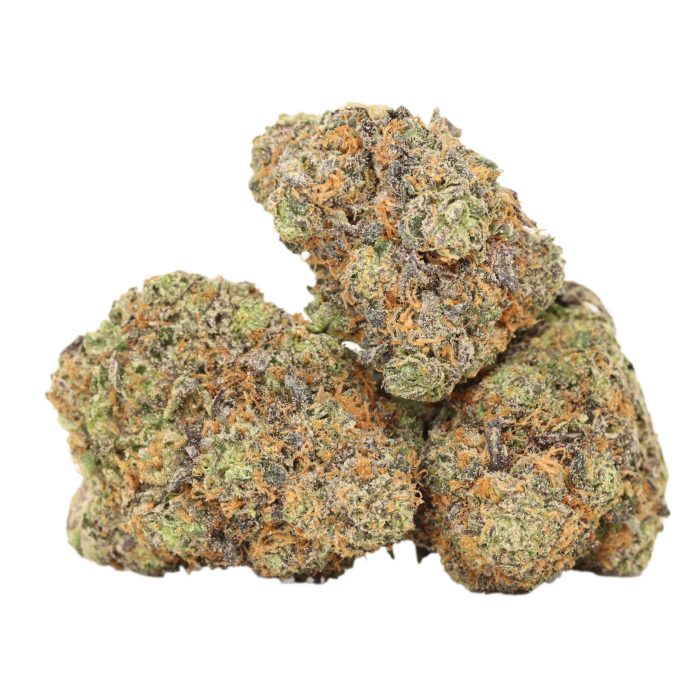
UBC Chemo Kush, better documented simply as UBC Chemo or Chemo, is an old-school indica cannabis cultivar surrounded by an unusual amount of history and folklore.
Modern strain databases commonly describe Chemo as a potent indica with approximately 18% THC and 1% CBG, with caryophyllene, myrcene and limonene among its commonly reported terpenes. Consumer reports frequently characterize its effects as sleepy, hungry and relaxed.
The cultivar also has a longstanding association with medical-cannabis culture. Stories surrounding UBC Chemo often claim it was developed in Canada during the 1970s in connection with the University of British Columbia and patients undergoing chemotherapy.
That history is widely repeated, but readers should distinguish cannabis folklore from well-documented scientific history.
An even more important distinction applies to searches such as weed neuropathy, does weed help nerve pain, THC cream for neuropathy, can cannabis help nerve pain, does weed help neuropathy, THC and neuropathy, marijuana for neuropathy, and medical marijuana for nerve pain.
Modern research does suggest that certain cannabinoid medicines can produce modest reductions in some forms of neuropathic pain. But the evidence depends heavily on the cannabinoid, THC-to-CBD ratio, route of administration and condition studied.
That does not establish UBC Chemo itself as a clinically proven treatment for neuropathy.
For additional U.S.-focused cannabis strain and cannabinoid education, readers can explore weedshopusa.com.
What Is UBC Chemo?
UBC Chemo is commonly known simply as Chemo.
Other names include:
Kemo and UBC Chemo.
It is generally categorized as an indica.
Current strain information lists representative characteristics around:
| Characteristic | UBC Chemo |
|---|---|
| Common name | Chemo |
| Alternative names | UBC Chemo, Kemo |
| Category | Indica |
| Representative THC | Around 18% |
| Representative CBG | Around 1% |
| Common terpenes | Caryophyllene, myrcene, limonene |
| Reported effects | Sleepy, hungry, relaxed |
| Flavor reputation | Woody, chestnut, pungent |
| Neuropathy treatment proven? | No |
| THC intoxicating? | Yes |
| U.S. legality | Jurisdiction dependent |
These numbers represent general strain-database information rather than guaranteed chemistry for every Chemo product.
Why Is It Called UBC Chemo?
The story behind the name is unusual.
Cannabis folklore traces Chemo to Canada in the 1970s and associates the cultivar with the University of British Columbia, or UBC.
The traditional story claims that the strain was developed in connection with managing symptoms experienced by people receiving chemotherapy.
That history contributed to the name “Chemo.”
However, historical cannabis lineage documentation from this period is often incomplete.
Readers should therefore distinguish between:
widely repeated strain history
and
independently verified clinical or university research.
The strain’s name does not establish that UBC scientifically developed it or that clinical trials proved it effective for chemotherapy symptoms.
Is UBC Chemo a Kush?
“UBC Chemo Kush” is a search variation, but the better-established cultivar name is Chemo or UBC Chemo.
The word Kush is frequently used broadly in modern cannabis marketing.
Historically, Kush refers to cannabis genetic traditions connected with the Hindu Kush region and their descendants.
A seller adding “Kush” to Chemo does not necessarily establish new genetics.
Consumers researching a specific product should check breeder and producer information rather than relying solely on the commercial name.
UBC Chemo Aroma and Flavor
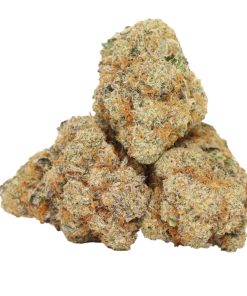
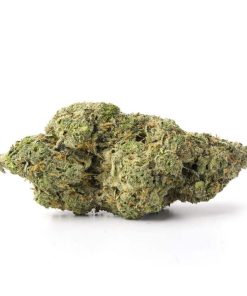
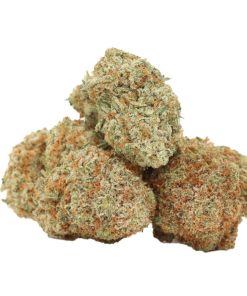
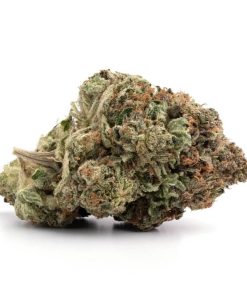
Chemo has an old-school aromatic reputation quite different from many modern dessert cultivars.
Common descriptions include:
- woody
- earthy
- pungent
- chestnut-like
- herbal
- spicy
Some consumers also report pine-like or classic Kush-oriented characteristics.
Actual aroma depends on genetics, cultivation, curing and storage.
UBC Chemo Terpenes
Commonly reported terpenes include:
Caryophyllene
Beta-caryophyllene contributes peppery and spicy characteristics.
Myrcene
Myrcene commonly contributes earthy and herbal aromas.
Limonene
Limonene contributes citrus-oriented aromatic notes.
A specific laboratory report remains more informative than assuming every UBC Chemo flower contains these terpenes in identical concentrations.
How Strong Is UBC Chemo?
Current strain information gives Chemo a representative THC concentration of around 18%.
That should not be treated as a fixed potency.
Actual THC can change according to:
- phenotype
- cultivation
- harvest
- curing
- storage
- laboratory methodology
One UBC Chemo batch may therefore be chemically different from another.
UBC Chemo Effects
Consumer reports frequently describe Chemo as:
- relaxing
- sleepy
- appetite stimulating
- physically heavy
- calming
Possible unwanted THC effects include:
- dry mouth
- dizziness
- dry eyes
- anxiety
- impaired memory
- impaired coordination
- altered perception
Consumer reports should not be confused with clinical evidence.
This distinction becomes especially important when discussing pain and neuropathy.
What Is Neuropathy?
Neuropathy refers to disease or dysfunction involving nerves.
Peripheral neuropathy affects nerves outside the brain and spinal cord.
Symptoms can include:
- burning
- tingling
- numbness
- shooting pain
- electric-shock sensations
- sensitivity to touch
- weakness
Neuropathy can have many causes.
Examples include diabetes, nerve injury, infections, certain medications, autoimmune conditions and other diseases.
Because treatment depends partly on the underlying cause, persistent neuropathy should be medically evaluated rather than treated solely on the basis of a cannabis strain recommendation.
What Is Neuropathic Pain?
Neuropathic pain occurs when the somatosensory nervous system is damaged or diseased.
It differs from ordinary pain following a minor cut, bruise or muscle strain.
Neuropathic pain can produce unusual sensations such as:
Allodynia: pain caused by something that would not normally hurt.
Hyperalgesia: an unusually strong response to a painful stimulus.
These characteristics help explain why neuropathic pain can be particularly difficult to manage.
Does Weed Help Nerve Pain?
The scientific answer is more nuanced than either “yes” or “no.”
Recent systematic reviews suggest that some cannabinoid-based medicines can modestly reduce neuropathic pain in some patients.
A systematic review of peripheral neuropathy research identified 14 randomized controlled trials. Thirteen reported statistically significant reductions in neuropathic pain with cannabinoid treatment.
However, the pooled improvement was relatively modest—about 0.67 points on a 0-to-10 pain scale compared with placebo.
This means evidence of an effect exists, but the average improvement should not be exaggerated.
Can Cannabis Help Nerve Pain?
Certain cannabinoid formulations may help some forms of neuropathic pain.
A 2025 review examining clinical trials concluded that cannabinoids show potential for reducing pain perception and improving some patient outcomes.
However, researchers also emphasized important limitations:
- small studies
- inconsistent products
- different cannabinoid ratios
- different administration methods
- heterogeneous patient populations
- limited long-term evidence
Consequently, “cannabis helps nerve pain” is too broad a statement.
A more scientifically accurate conclusion is:
Some cannabinoid formulations may provide modest short-term neuropathic pain relief for some patients, but effectiveness varies and important evidence gaps remain.
Does Weed Help Neuropathy?
This question contains an important distinction.
Neuropathy is the underlying nerve disorder.
Neuropathic pain is one symptom that neuropathy can produce.
Research showing a reduction in pain does not necessarily mean cannabis:
- repairs damaged nerves
- reverses neuropathy
- treats its underlying cause
- prevents disease progression
Cannabinoids are primarily being investigated for symptom management, particularly pain.
That distinction should remain clear.
THC and Neuropathy
THC has received considerable attention because the body’s endocannabinoid system participates in pain processing.
Clinical research has examined:
- THC
- THC/CBD combinations
- pharmaceutical cannabinoids
- inhaled cannabis
- oral formulations
- oromucosal products
Results vary substantially.
A major updated systematic review published in 2025 evaluated 25 randomized controlled trials involving more than 2,300 participants, most of whom had neuropathic pain.
High-THC and roughly balanced THC/CBD products produced small average reductions in pain, but they also increased adverse effects such as:
- dizziness
- sedation
- nausea
This is an important tradeoff.
A statistically measurable benefit does not automatically mean the treatment is appropriate for every patient.
Marijuana for Neuropathy: Whole Flower Is a Separate Question
One of the biggest mistakes in cannabis health discussions is treating every cannabinoid study as evidence for marijuana flower.
They are not interchangeable.
Research can involve:
- purified THC
- synthetic THC-like medications
- CBD
- balanced THC/CBD sprays
- standardized cannabis
- other cannabinoid formulations
Evidence from one product cannot automatically be transferred to another.
Government evidence reviews have specifically noted that evidence concerning whole-plant cannabis remains more limited than evidence for certain standardized cannabinoid formulations.
Therefore, studies involving controlled THC/CBD medicines do not prove that UBC Chemo provides the same result.
Is UBC Chemo Proven to Help Neuropathy?
No.
There is currently no good clinical evidence establishing UBC Chemo itself as a treatment for neuropathy.
Consumer reviews may describe pain relief.
Those reports can be useful for understanding consumer experiences, but they do not establish:
- efficacy
- optimal dose
- long-term safety
- superiority over standard treatments
Clinical evidence should therefore be discussed at the cannabinoid/formulation level rather than making medical claims about the Chemo strain.
THC Cream for Neuropathy
The phrase THC cream for neuropathy deserves special attention.
Topical cannabinoids are increasingly marketed for pain, but the evidence is much less established than advertising sometimes suggests.
Recent pain reviews have examined topical cannabinoid formulations, including emerging trials involving combinations of THC, CBD and CBN.
However, the evidence base remains limited and product formulations vary.
This means an over-the-counter product labeled “THC neuropathy cream” should not automatically be considered an evidence-based neuropathy treatment.
Topical THC vs Systemic THC
Route of administration matters.
A topical product designed primarily for local application may behave differently from:
- inhaled cannabis
- oral THC
- edible cannabis
- sublingual products
- oromucosal sprays
Cannabinoid absorption can vary according to formulation.
Therefore, research on inhaled cannabis cannot simply be used to prove that a THC cream works—and research on a specific topical formulation cannot prove every cannabis cream works.
What Does Current Research Say About THC Cream?
Evidence concerning topical cannabinoid products is developing.
The broader evidence for neuropathic pain is currently stronger for certain standardized systemic or oromucosal cannabinoid formulations than it is for generic commercial THC creams.
For topical neuropathic-pain treatment more generally, stronger established evidence exists for certain non-cannabis options in specific conditions, including high-concentration capsaicin and lidocaine for particular neuropathic syndromes.
This context matters when evaluating marketing claims around THC creams.
Medical Marijuana for Nerve Pain
Some U.S. medical cannabis programs allow patients with chronic or severe pain conditions to qualify under state-specific rules.
Legal eligibility, however, is not the same as proof of effectiveness.
A state’s medical cannabis program can permit cannabis access without establishing that:
- every strain works
- every THC product works
- UBC Chemo is superior
- cannabis reverses nerve damage
Patients should distinguish regulatory access from clinical evidence.
Cannabinoid Evidence at a Glance
| Cannabis/Cannabinoid Question | Current Evidence |
|---|---|
| Can cannabinoids reduce neuropathic pain? | Some formulations show small/modest benefits |
| Does THC work for everyone? | No |
| Do THC/CBD products eliminate neuropathy? | No evidence of a cure |
| Is whole-plant cannabis proven? | Evidence remains limited/inconsistent |
| Is UBC Chemo specifically proven? | No |
| Is THC cream definitively proven for neuropathy? | Evidence remains limited |
| Are adverse effects possible? | Yes |
| Is more THC automatically better? | No |
Why Study Formulation Matters
Imagine two studies.
One evaluates a precisely standardized THC/CBD oromucosal spray.
Another evaluates inhaled cannabis flower.
These are not the same intervention.
They differ in:
- THC concentration
- CBD concentration
- absorption
- onset
- duration
- dosing precision
- additional plant compounds
This is why evidence-based cannabis discussions should identify the formulation rather than simply saying “weed.”
THC Side Effects
THC can cause:
- dizziness
- sedation
- anxiety
- impaired attention
- impaired coordination
- increased heart rate
- altered perception
- short-term memory impairment
Some neuropathy patients may already experience balance or mobility problems.
Sedation and dizziness can therefore be particularly relevant.
Cannabis and Other Medications
People with neuropathy may use medications for:
- diabetes
- pain
- seizures
- depression
- blood pressure
- sleep
- other chronic illnesses
Cannabinoids can interact with medications in some circumstances.
Someone considering medical cannabis alongside prescription treatment should discuss potential interactions with a qualified healthcare professional.
When Nerve Pain Needs Medical Evaluation
New or worsening nerve symptoms should not automatically be attributed to a minor condition.
Medical evaluation is particularly important for symptoms involving:
- progressive weakness
- rapidly worsening numbness
- loss of bladder or bowel control
- major balance problems
- unexplained severe pain
- significant new neurological changes
Treating symptoms without identifying the underlying cause can delay important diagnosis.
UBC Chemo vs Other Cannabis Categories
| Feature | UBC Chemo | Balanced THC/CBD Medicine | Topical Cannabinoid |
|---|---|---|---|
| Form | Cannabis flower | Standardized formulation | Applied to skin/local area |
| THC | Usually substantial | Controlled ratio | Product dependent |
| Intoxication potential | Yes | Possible | Formulation dependent |
| Neuropathic-pain evidence | Strain-specific evidence lacking | Some modest evidence | Limited/emerging |
| Standardized dose | Usually less precise | More precise | Product dependent |
| Proven to reverse neuropathy | No | No | No |
This comparison illustrates why a strain name cannot substitute for a defined medical formulation.
Why Higher THC Is Not Necessarily Better for Nerve Pain
The newest systematic evidence does not support the idea that simply maximizing THC produces better pain management.
Higher THC exposure can increase adverse effects.
Research needs to balance:
potential pain reduction
against
dizziness, sedation, nausea and cognitive effects.
The best-studied cannabinoid formulation is therefore not necessarily the strongest cannabis flower.
For additional U.S.-focused cannabis terminology and research education, readers can explore weedshopusa.com.
UBC Chemo and Driving
UBC Chemo contains intoxicating THC.
THC can impair:
- reaction time
- coordination
- judgment
- attention
- perception
Adults should not drive or operate machinery while cannabis-impaired.
This remains true even when cannabis is being used for symptom management.
Is UBC Chemo Legal in the USA?
Cannabis legality varies by jurisdiction.
States maintain different rules concerning:
- medical cannabis
- adult-use cannabis
- possession
- cultivation
- retail
- delivery
- product testing
A strain being associated with medical-cannabis history does not give it special federal or state legal status.
Consumers should consult current state and local rules.
Educational Resources
For a current systematic review examining cannabinoids and peripheral neuropathy, see PubMed’s review of cannabinoids for peripheral neuropathy and neuropathic pain.
For a recent U.S. government-supported assessment of cannabis and chronic pain evidence, see the AHRQ Living Systematic Review on Cannabis and Other Plant-Based Treatments for Chronic Pain.
For the documented consumer strain profile, cannabinoid averages and terpene information, see Leafly’s UBC Chemo strain profile.
For additional U.S.-focused cannabis strain and research education, readers can explore weedshopusa.com.
Frequently Asked Questions
1. What is UBC Chemo Kush?
UBC Chemo, usually called Chemo, is an old-school indica cannabis cultivar. Current strain databases list representative THC around 18%, with caryophyllene, myrcene and limonene among its commonly reported terpenes. “UBC Chemo Kush” is a search variation rather than the most standardized name.
2. Does weed help nerve pain?
Some cannabinoid medicines have produced modest reductions in neuropathic pain in clinical trials. Results vary by formulation, cannabinoid ratio and patient, and whole-plant cannabis evidence remains less certain.
3. Does weed help neuropathy itself?
Research primarily examines relief of neuropathic pain and symptoms. Evidence that cannabis repairs nerve damage, cures peripheral neuropathy or reverses its underlying cause has not been established.
4. Does THC cream help neuropathy?
Topical cannabinoid research is developing, but evidence is not strong enough to conclude that generic commercial THC creams are established treatments for neuropathy. Results from one formulation should not be generalized to every topical cannabis product.
5. Is UBC Chemo a medical marijuana strain for nerve pain?
UBC Chemo has a longstanding medical-cannabis reputation, and consumers report using Chemo for pain. However, consumer reports are not clinical trials. There is no good evidence demonstrating that UBC Chemo specifically treats neuropathy or is superior to established neuropathic-pain treatments.
Where to Explore Further
Readers researching UBC Chemo Kush, cannabinoids, THC and neuropathic pain can explore weedshopusa.com alongside current scientific and government evidence.
When evaluating claims involving weed neuropathy, THC cream for neuropathy, marijuana for neuropathy, or medical marijuana for nerve pain, pay close attention to exactly what researchers studied. THC, CBD, whole cannabis flower and standardized THC/CBD medicines should not be treated as interchangeable.
Final Thoughts
UBC Chemo Kush, better known as Chemo or UBC Chemo, is an old-school indica with a longstanding reputation in medical-cannabis culture.
Its widely repeated Canadian history and consumer association with physical relaxation and pain have helped maintain interest in the cultivar decades after its reported introduction.
But does weed help nerve pain?
Current research provides a nuanced answer.
Systematic reviews suggest certain cannabinoid formulations can produce small to modest reductions in neuropathic pain for some patients. More recent evidence also shows that these potential benefits can come with increased dizziness, sedation and nausea.
That does not mean cannabis cures neuropathy.
It also does not establish UBC Chemo Kush as a proven neuropathy treatment.
Similarly, evidence surrounding THC cream for neuropathy remains limited and formulation-specific. Research involving a controlled topical cannabinoid preparation should not be generalized to every cream marketed with THC.
The most evidence-based approach is therefore to distinguish the underlying nerve disorder from its pain symptoms, distinguish THC from CBD, identify the actual cannabinoid formulation studied and balance possible benefits against adverse effects.
Be the first to review “UBC Chemo Kush”
Related products
Indica
Indica
Indica
Indica
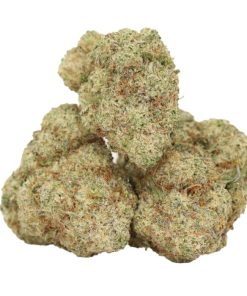
Indica
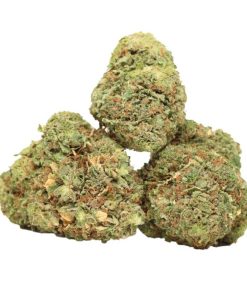
Indica
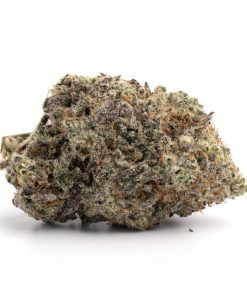
Indica
Reviews
There are no reviews yet.